I enjoy river cruises, even though they are a polar-opposite animal from ocean and likely expedition (which I haven’t yet been on). I like to tell people I’ve been on two and a half river cruises – the one with Viking on the Rhine, the “half” with AmaWaterways on the Rhone in France, and now this one. The first two are in past blog posts, so I won’t retell them here. But I’m glad I finally experienced a full Ama cruise and saw perhaps the most popular European river, the Danube.
This was a seven-day itinerary on AmaVerde, classified a wine cruise. There were winemakers from San Diego-based San Pasqual Winery onboard who led two tastings, a paired dinner, and several wine-related excursions. As you know from my content, I love tasting and learning about wine, so this was a treat. But even as we ended the week and RAS and I were signed up for an excursion at Heuriger (an Austrian wine tavern) in Vienna, I had nearly had enough wine, and I just wanted to relax. Too much of a good thing, I suppose.
Overall, I loved that I could finally share a river cruise with RAS, since all we’ve done up to this point are ocean cruises. I told him this would be completely different from those, and in the end, he thoroughly enjoyed it. So, here’s a quick rundown of the places we visited and saw (I’ll talk about the wine and food next week).
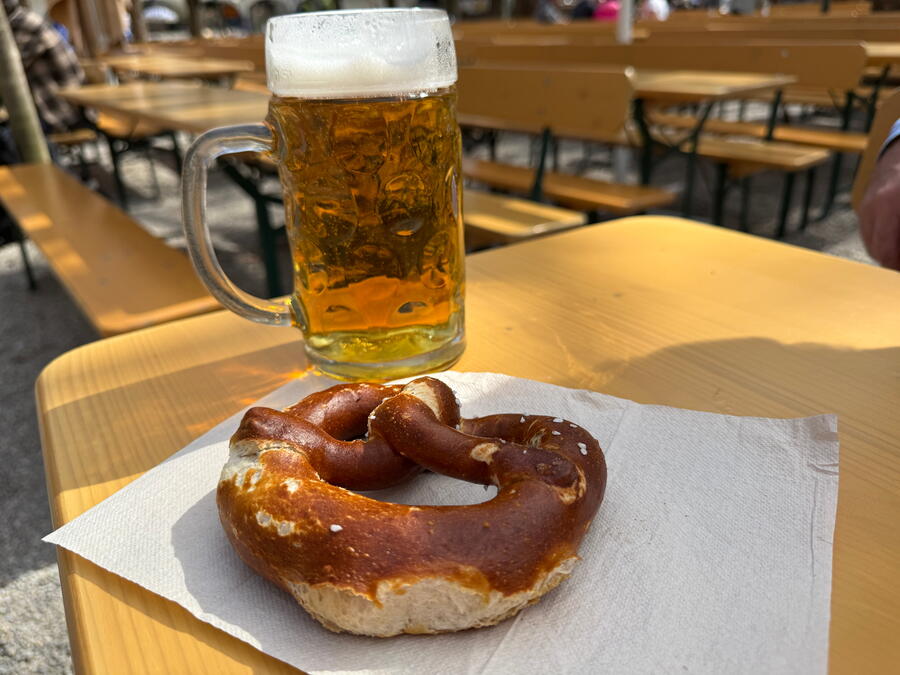
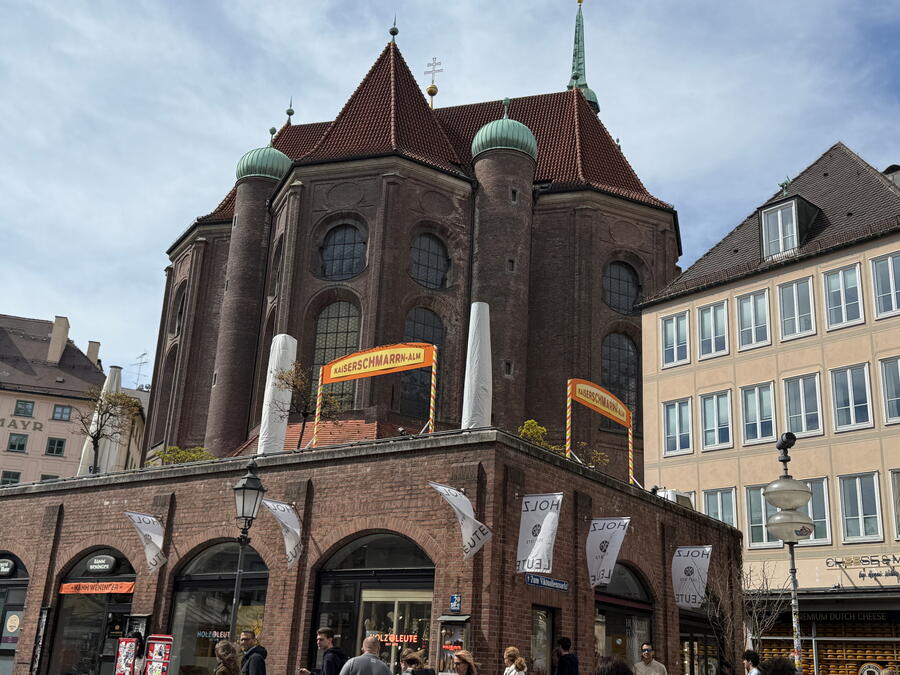
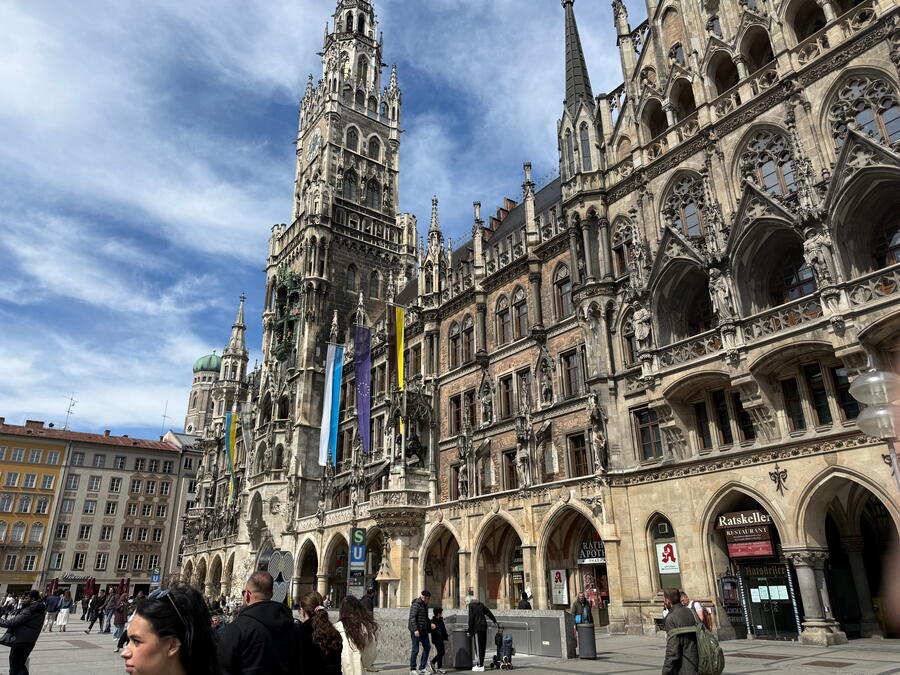
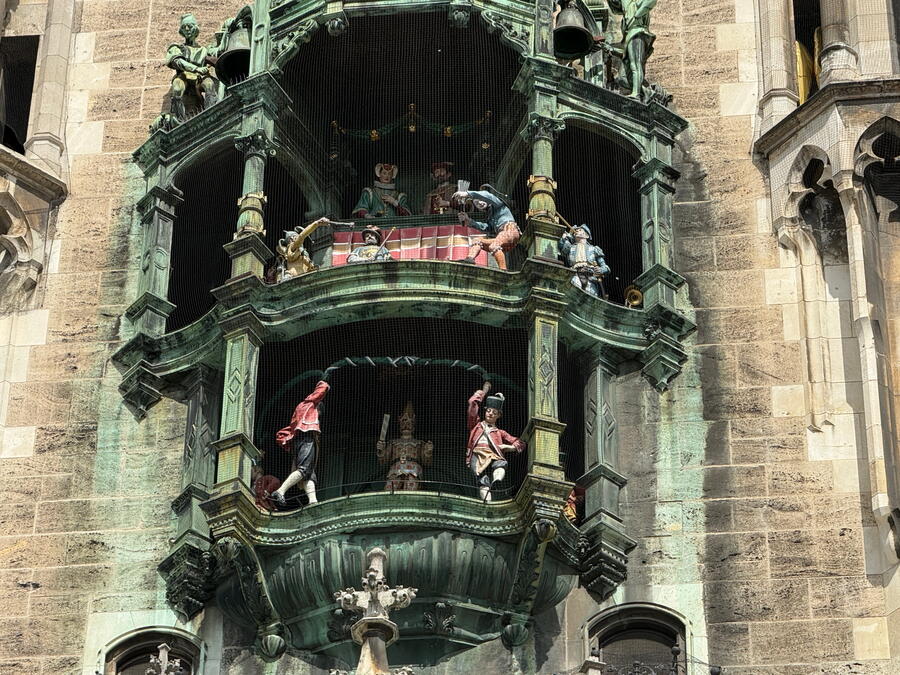
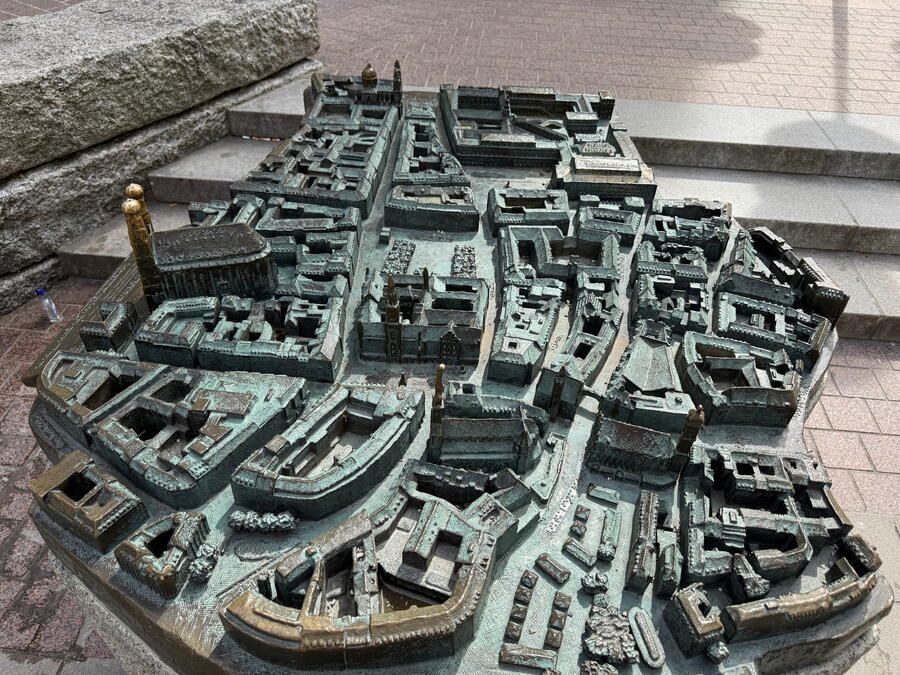
Munich/Vilshofen, Germany
We flew into Munich and stayed at the Hilton Munich City on Easter. It was a modern yet comfortable hotel with an extensive included breakfast buffet and luxurious bar (which we didn’t visit) Because of that timing, some places (mostly stores) were closed, but luckily restaurants were open. Since we had some time, we went to Hofbraukeller, a massive biergarten, and took a hop-on, hop-off bus to tour the city.
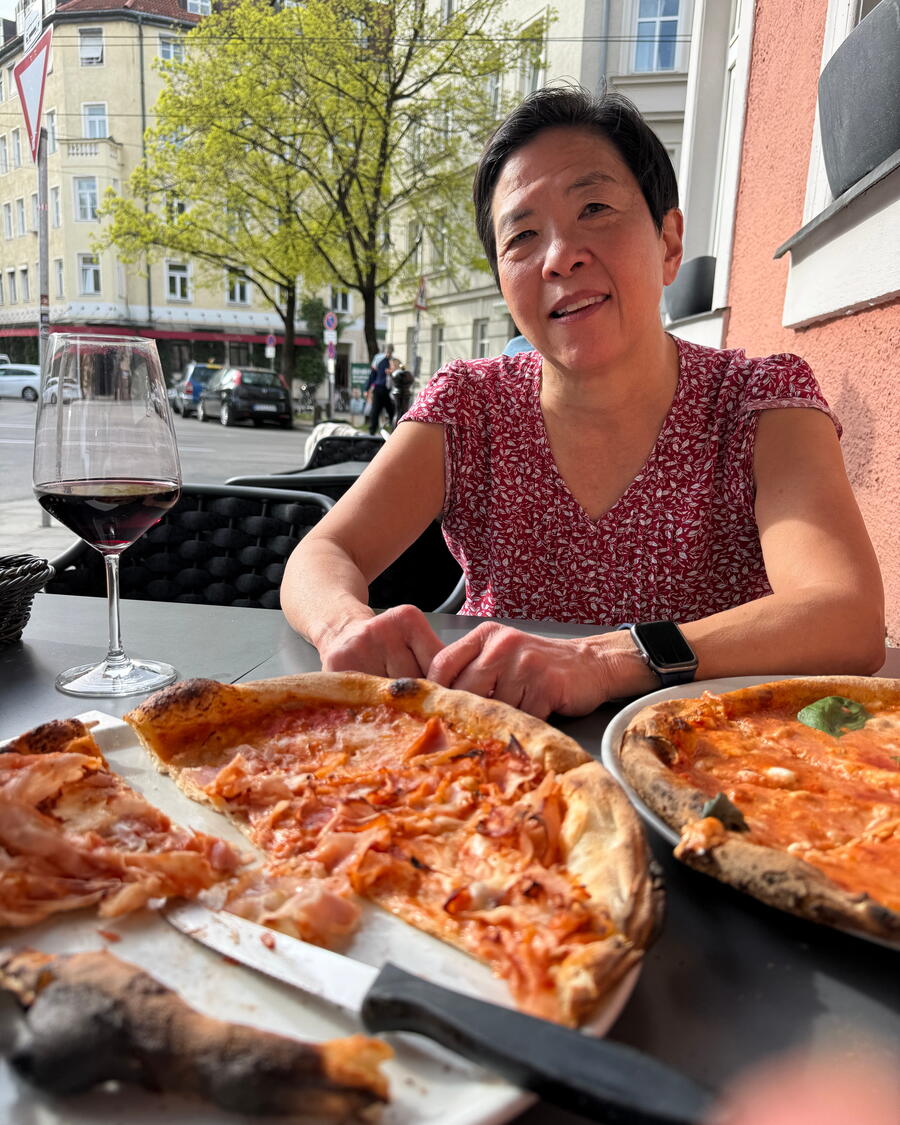
Unfortunately, my jet lag (and the beer) kicked in during the ride, and I fell asleep through most of it. I think RAS saw more than I did, but we decided to get off at the stop closest to the hotel. I was indifferent toward having German food, so we chose a pizzeria close to the Hilton. It turned out to be a solid choice. The next day, we took the train to the small town of Vilshofen, where the cruise started, and stayed overnight before heading down the Danube.
Passau, Germany
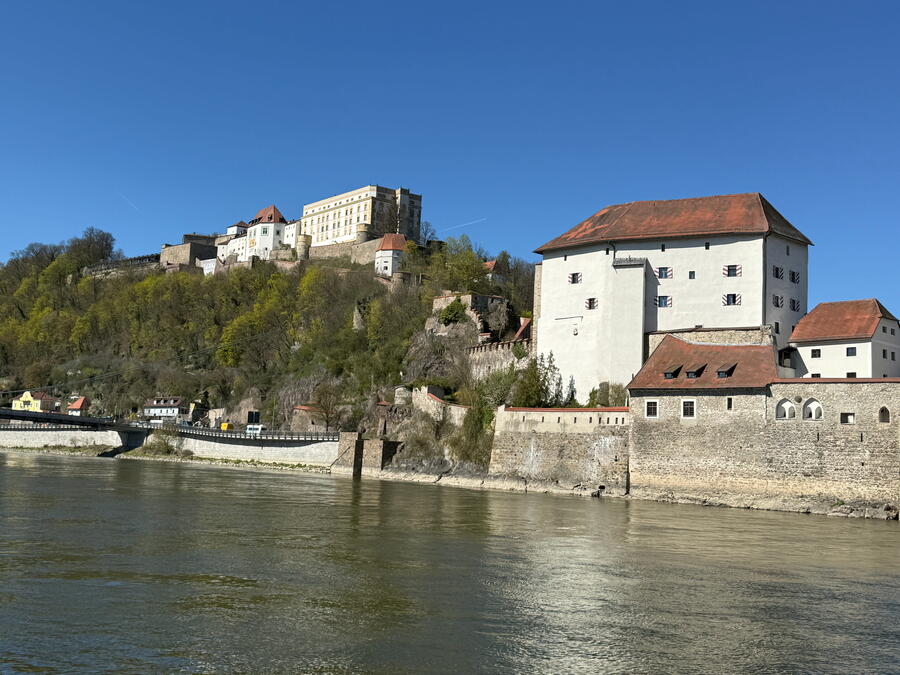
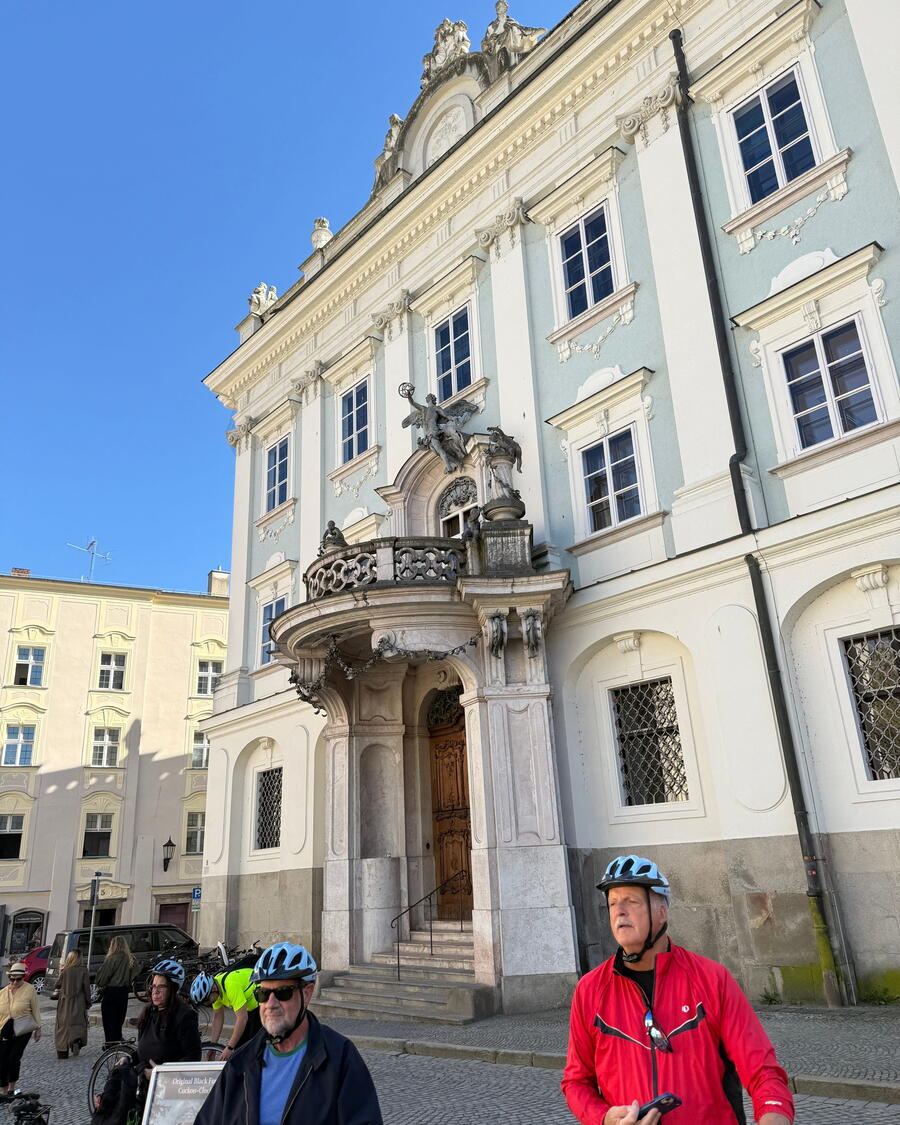
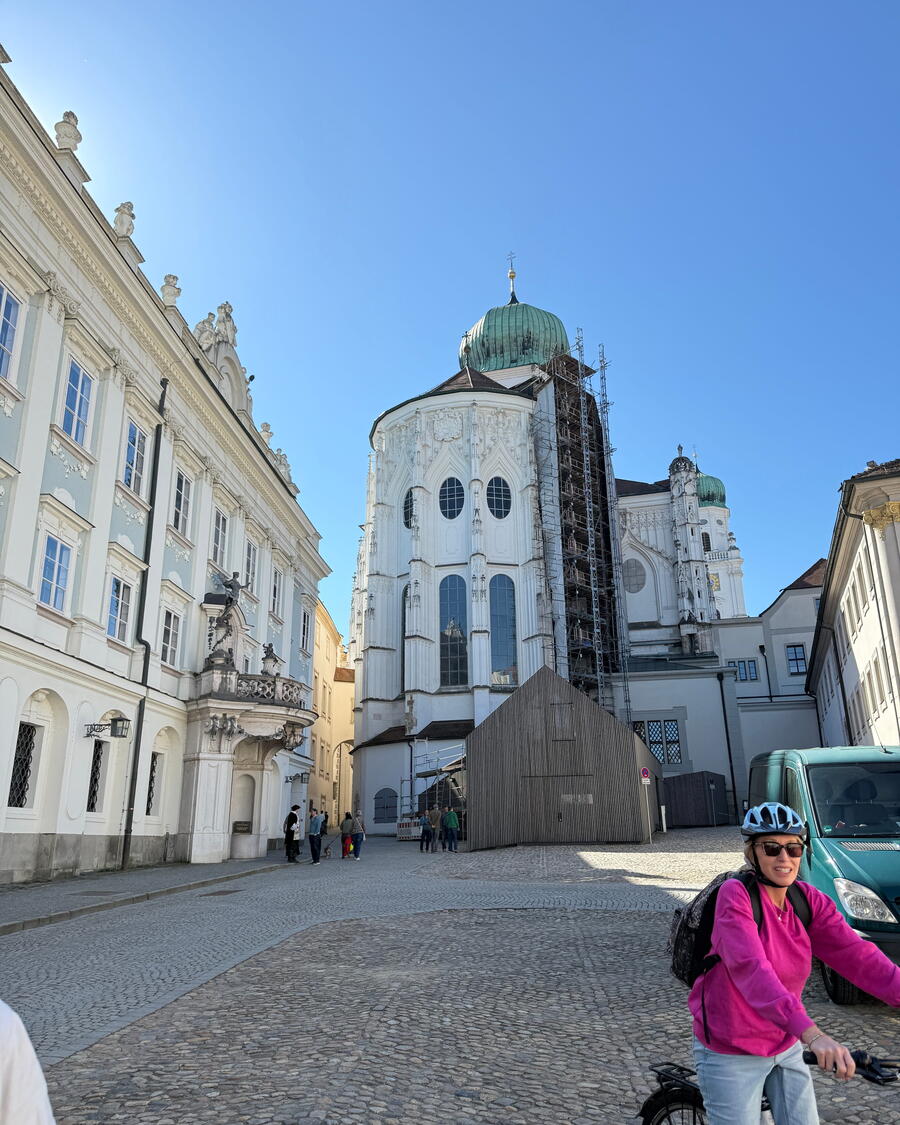
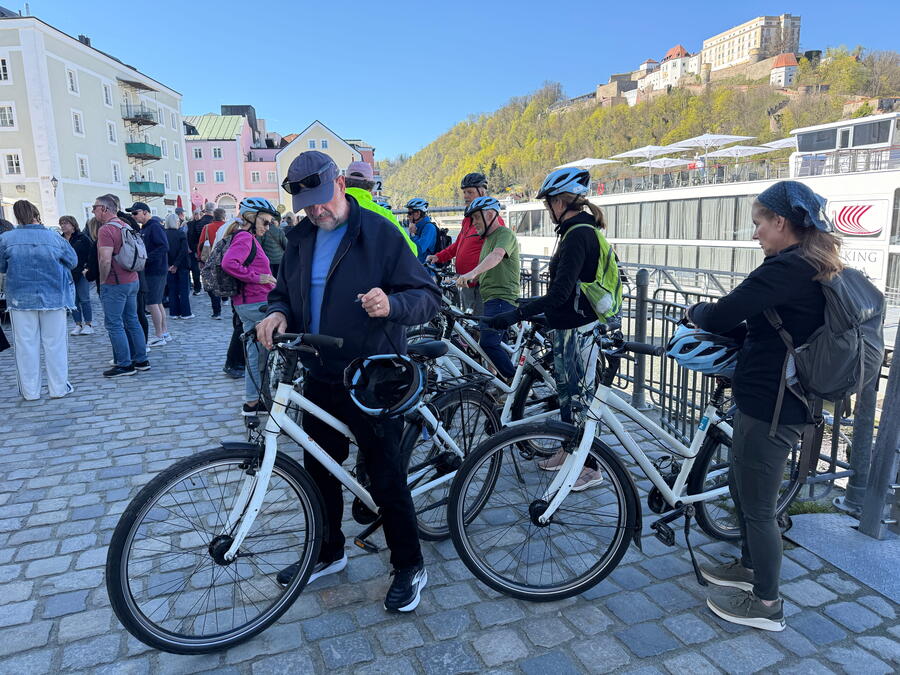
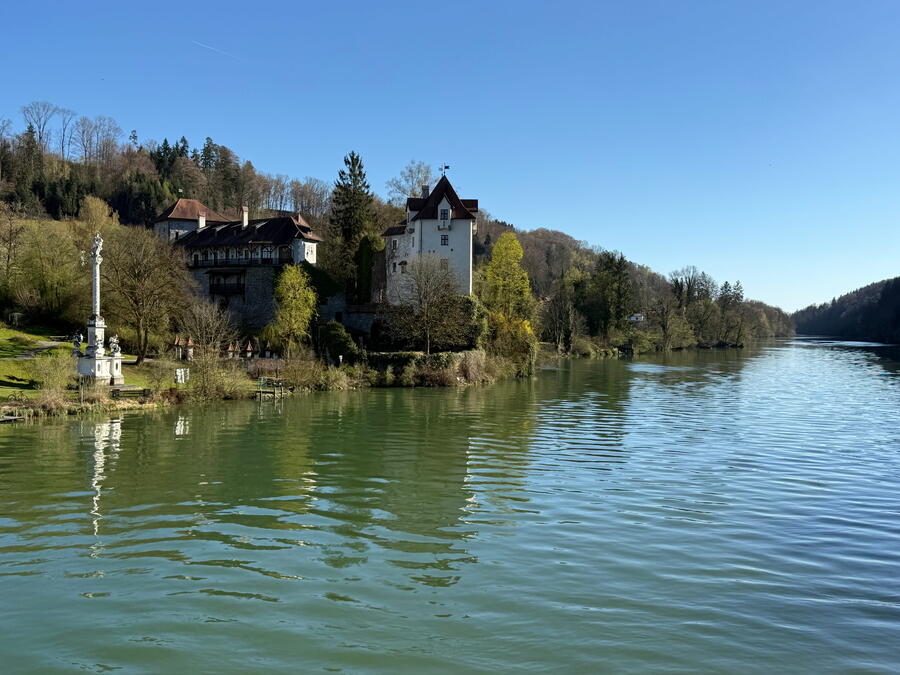
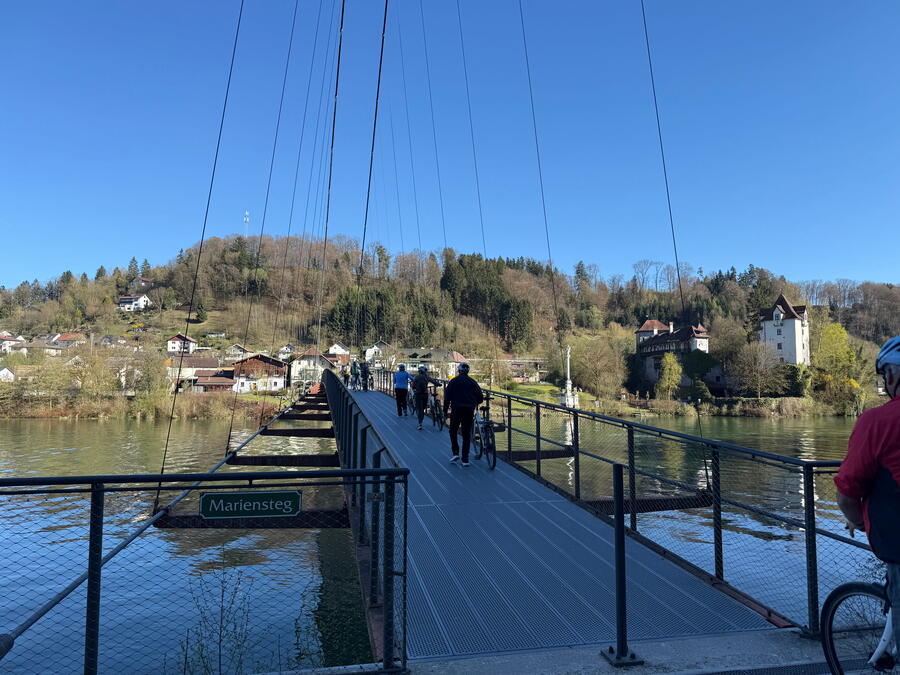
In this university city where three rivers meet (Danube, Inn and Ilz), we took a bike tour that was both fun and exhausting. That was mostly because our guide speeded through most of the excursion along the bike paths. We started in the old town (Altstadt), where cobblestones prevailed and the ride was predictably bumpy. But once we reached the trails along the Inn River, the only thing we had to worry about was dodging pedestrians. The ride itself was scenic and peaceful, full of lush forest, and we even crossed into Austria before heading back into town.
Linz/Salzburg, Austria
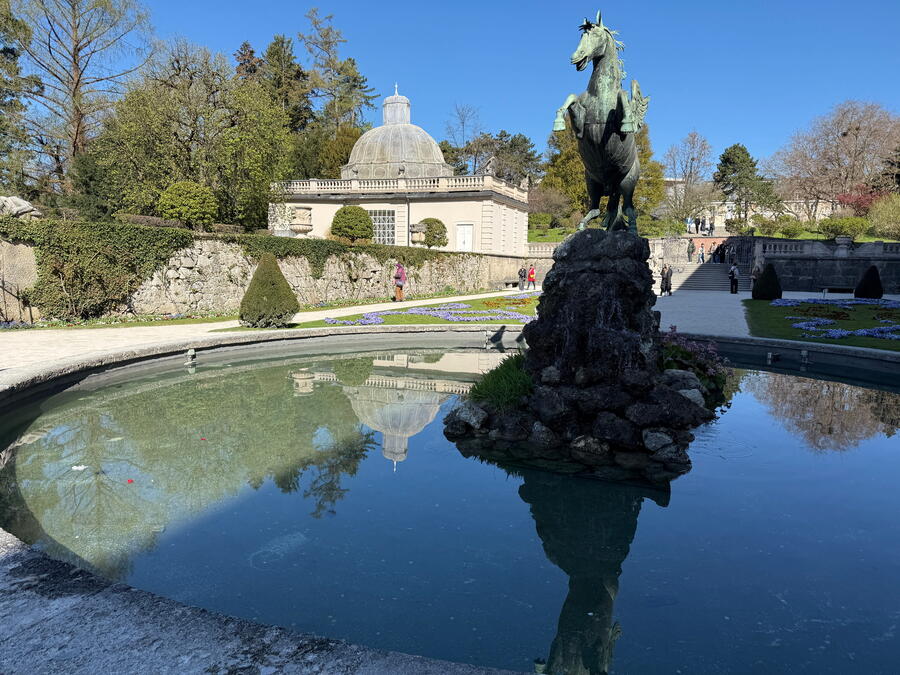
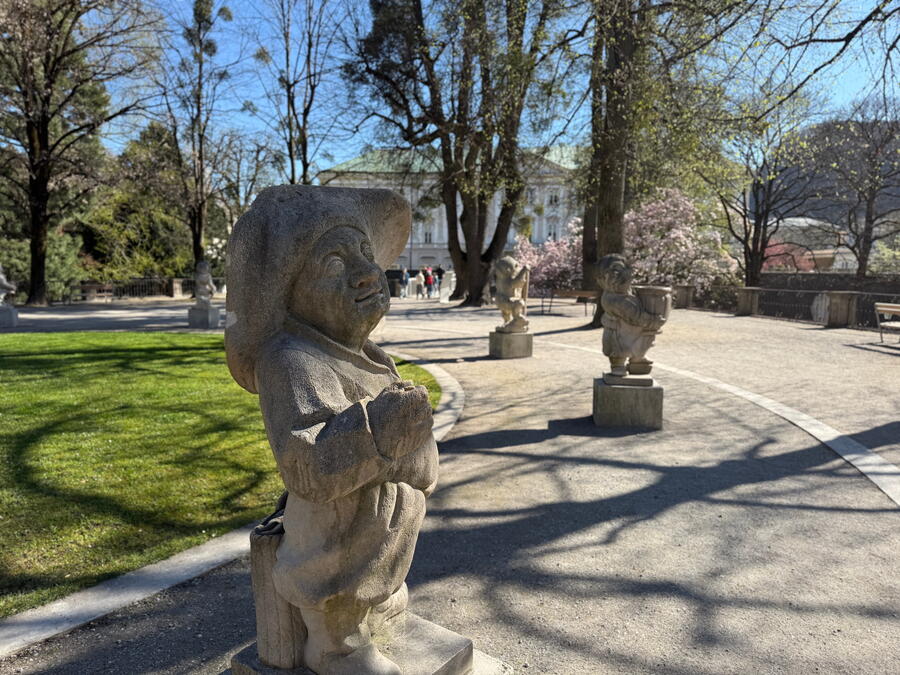
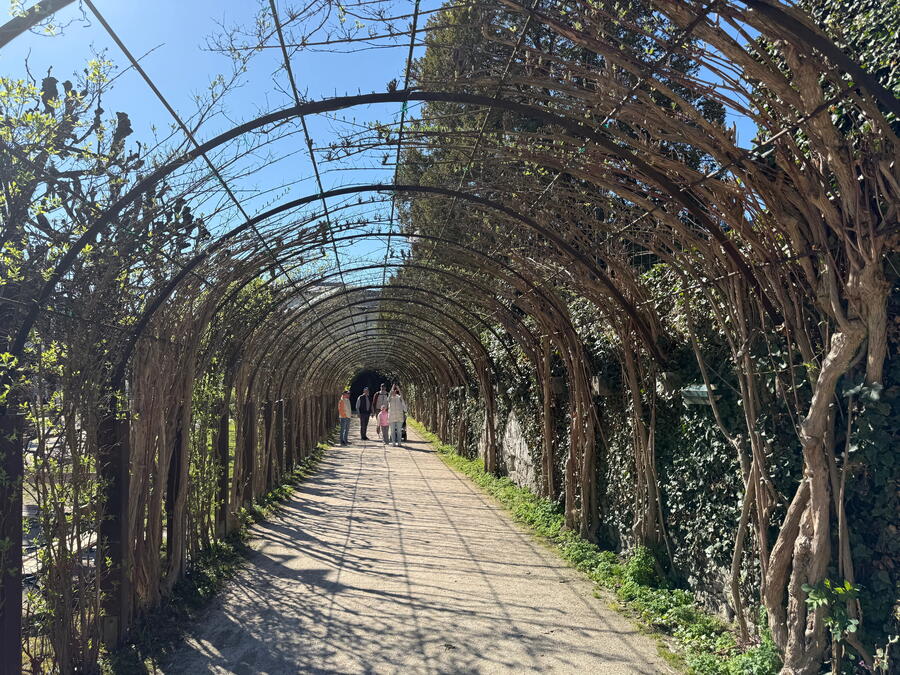
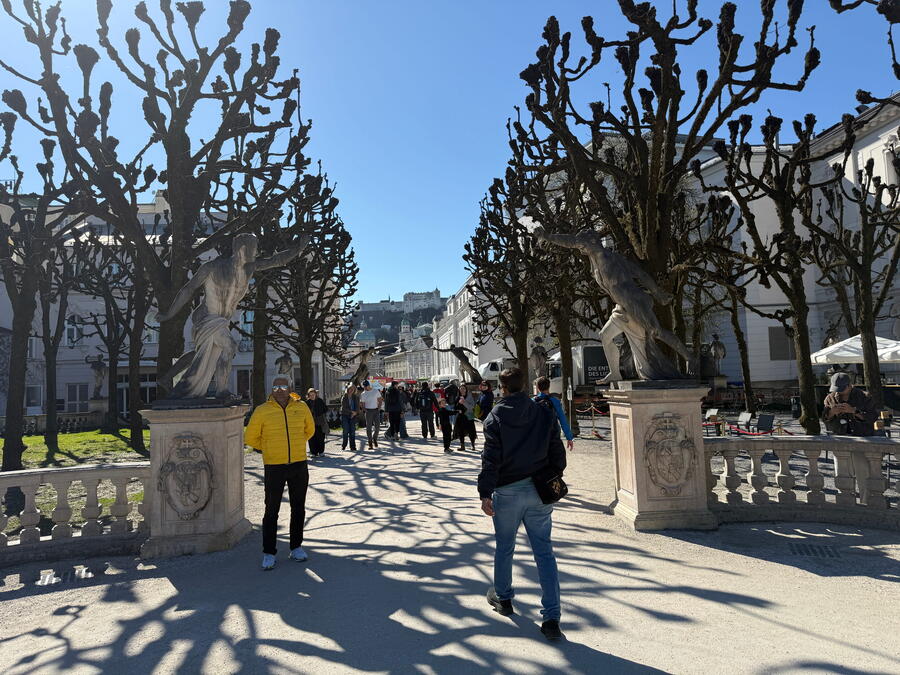
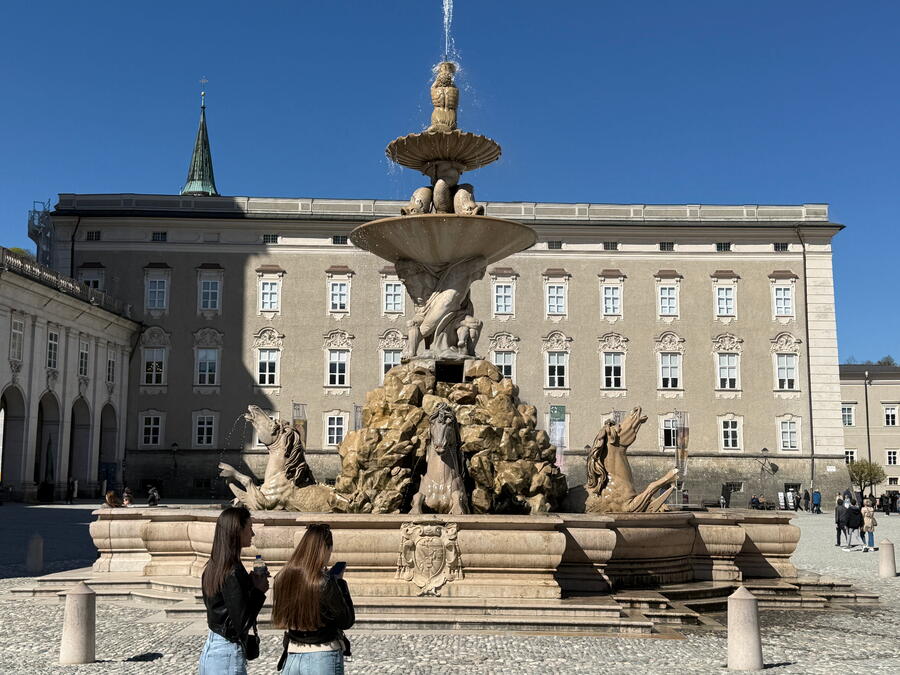
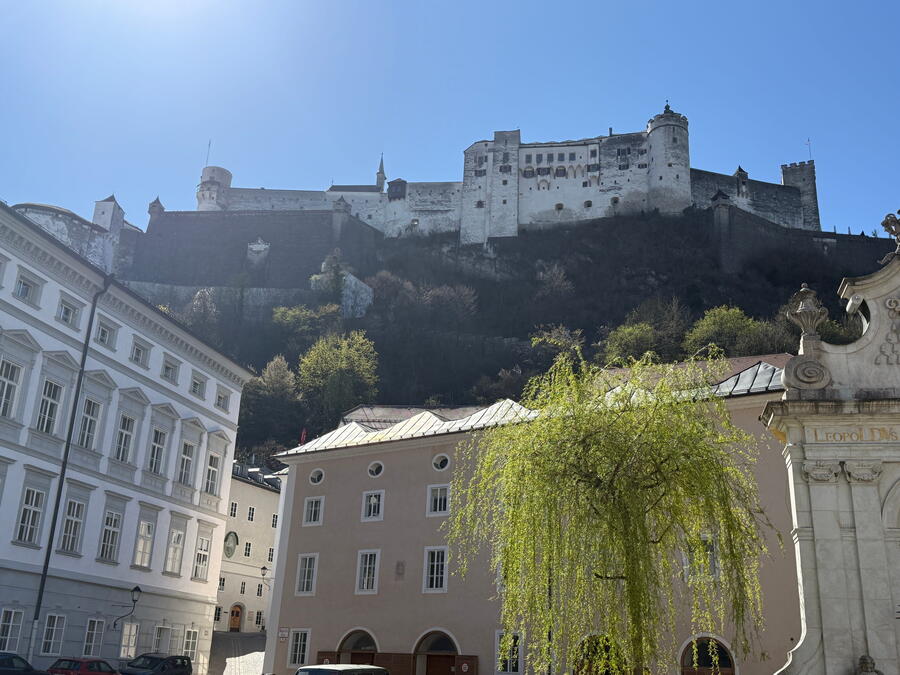
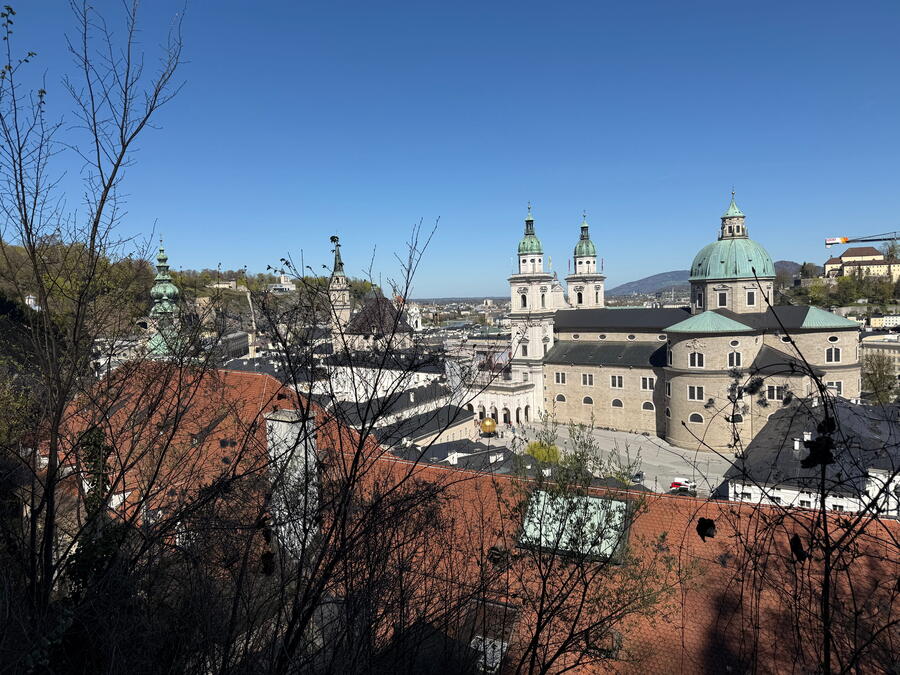
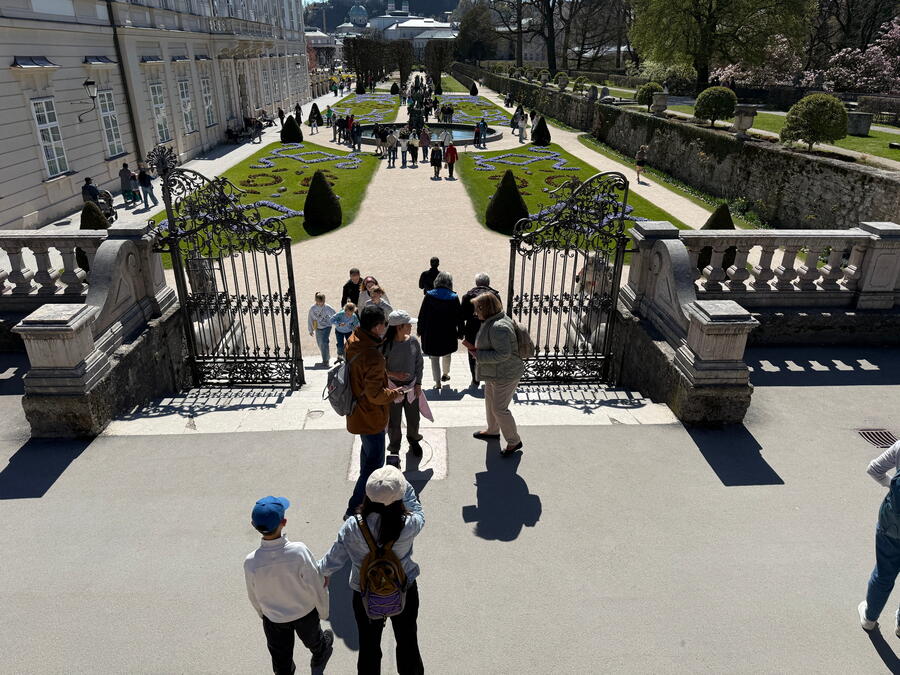
RAS and I decided beforehand that we wouldn’t participate in the planned excursions for this stop. Instead, we went on our own by train to Salzburg, known for Mozart’s birthplace and setting of “The Sound of Music,” one of my favorite all-time movies. RAS wouldn’t be caught dead on the original tour, which I know involved traveling in a garish bus and singing the songs, so we decided to simply wander around some of the sites, like the Mirabell Gardens and the Residenzplatz. I did have visions of dancing and singing in some of these places, but no one else was doing this, and I didn’t want to draw attention.
Weissenkirchen/Durnstein, Austria
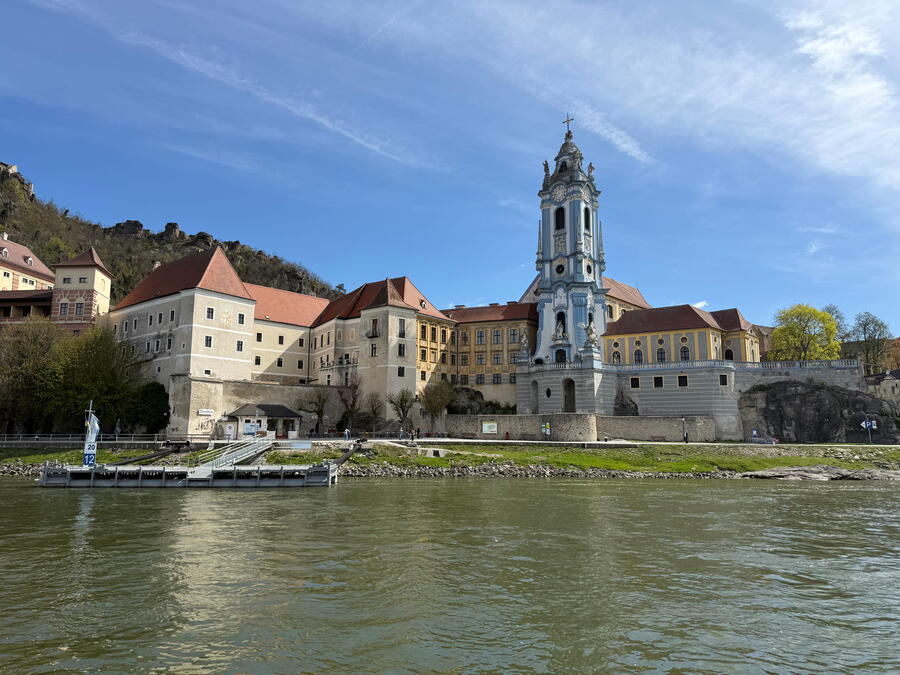
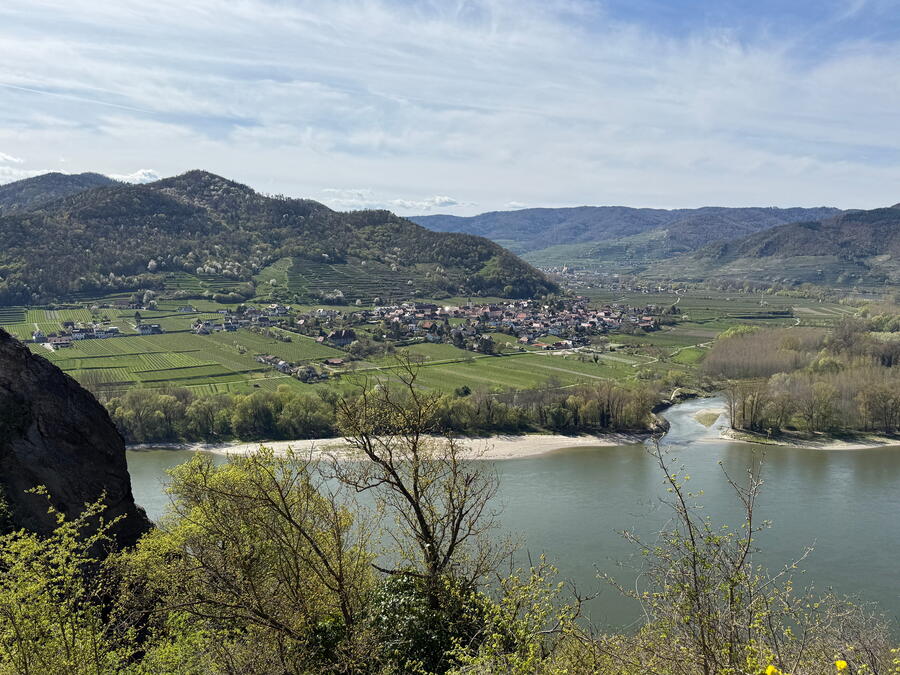
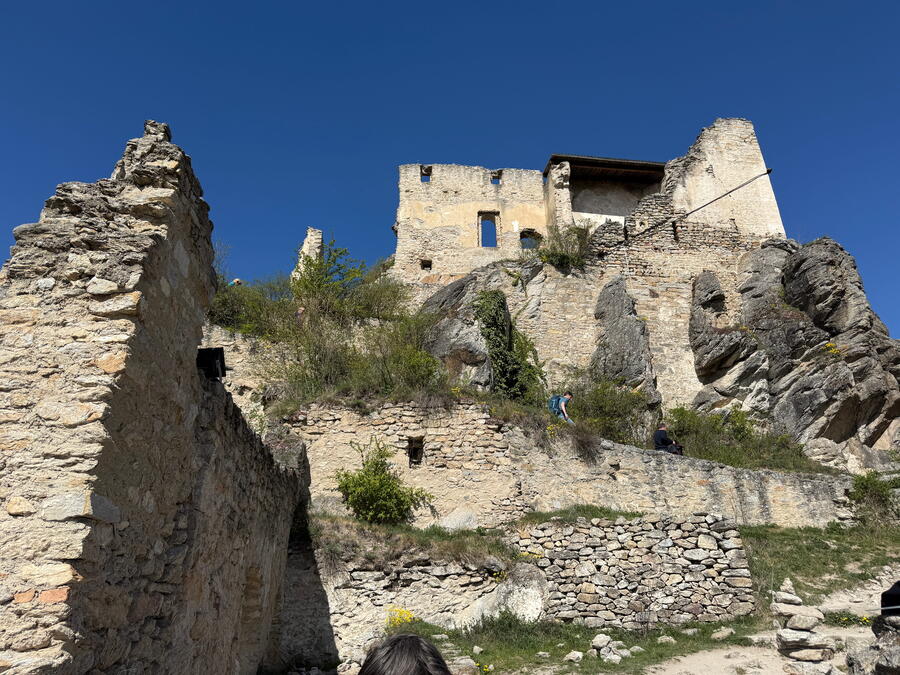
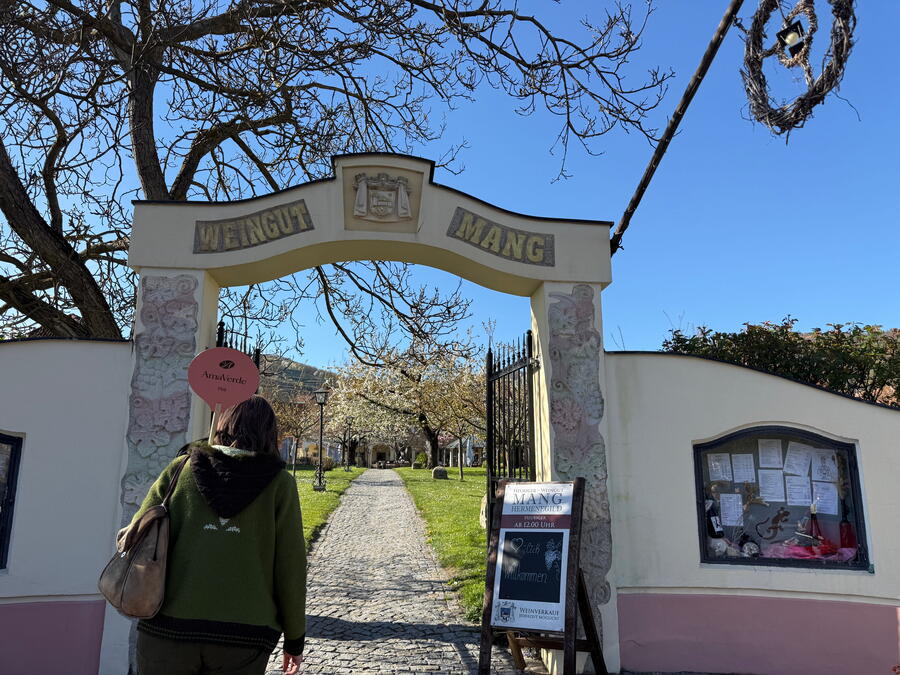
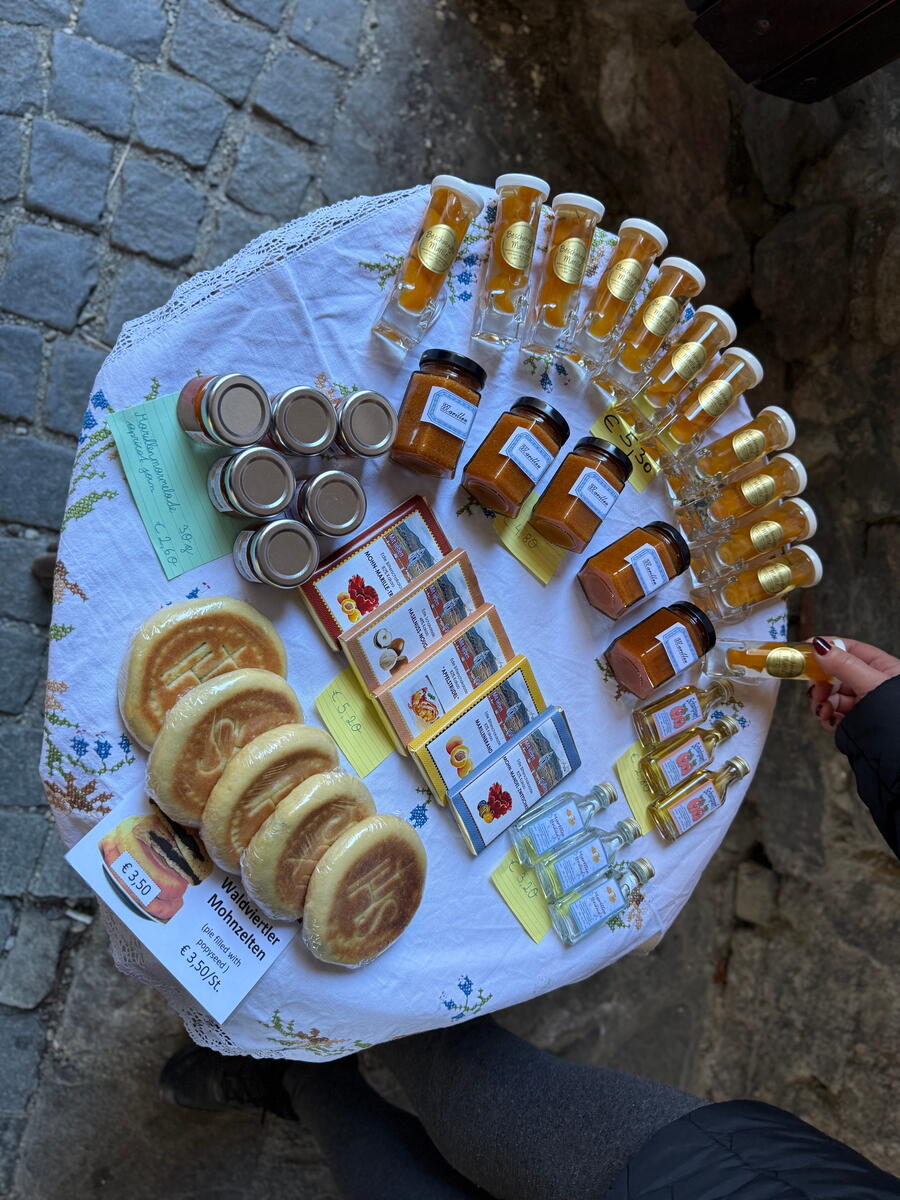
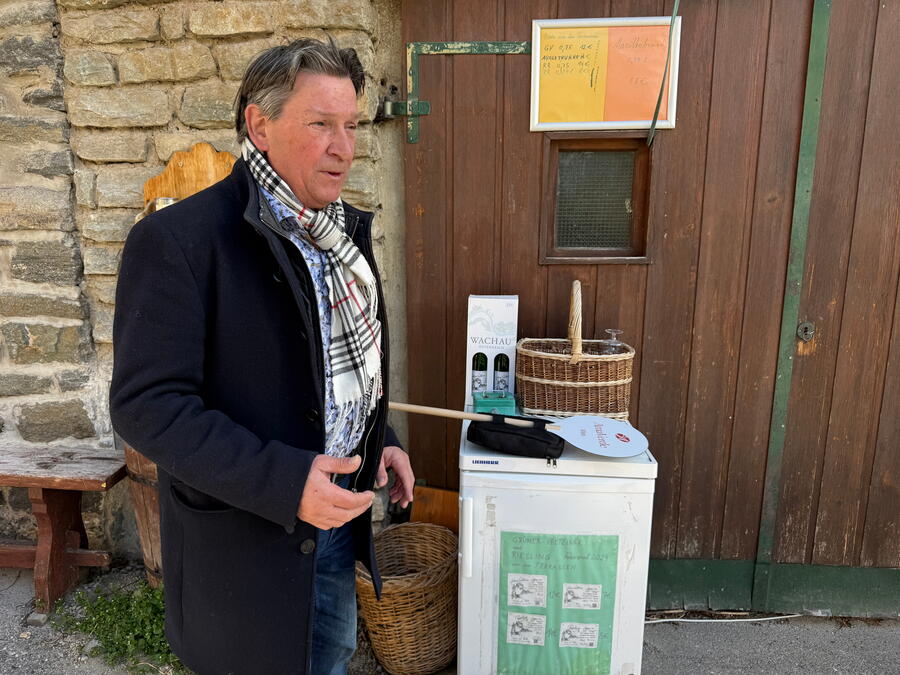
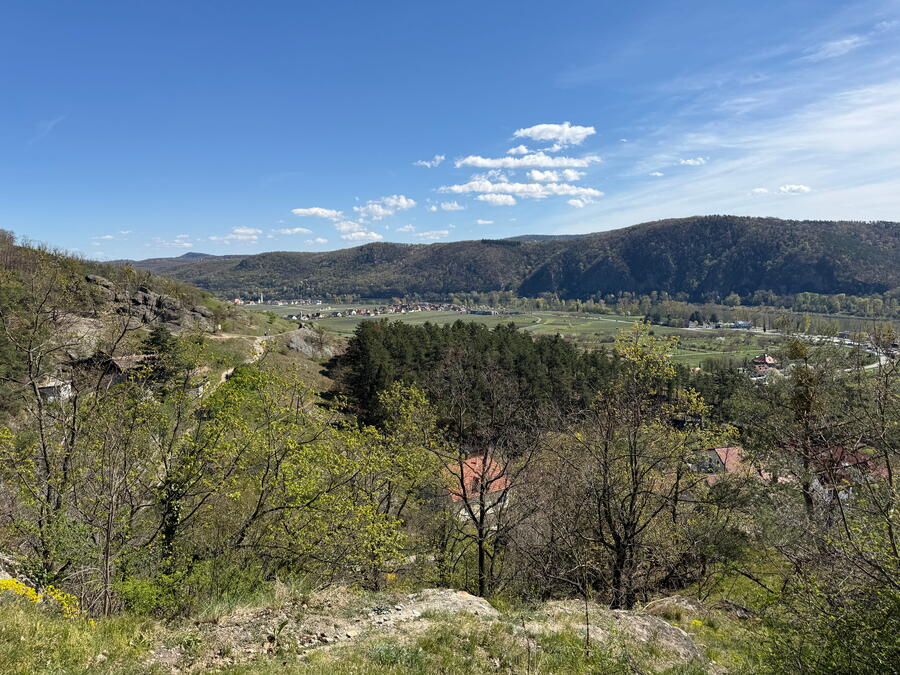
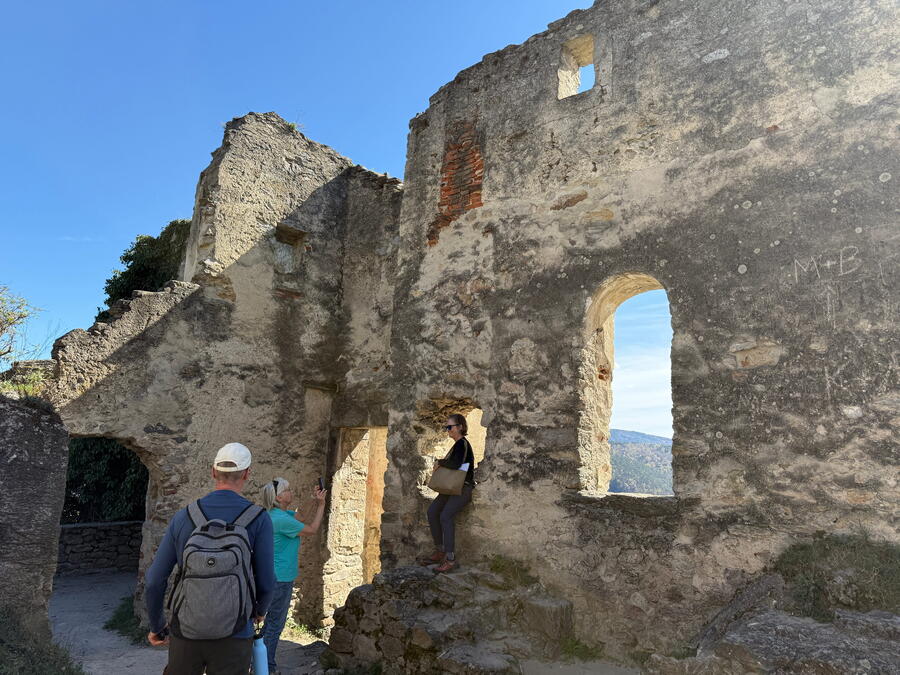
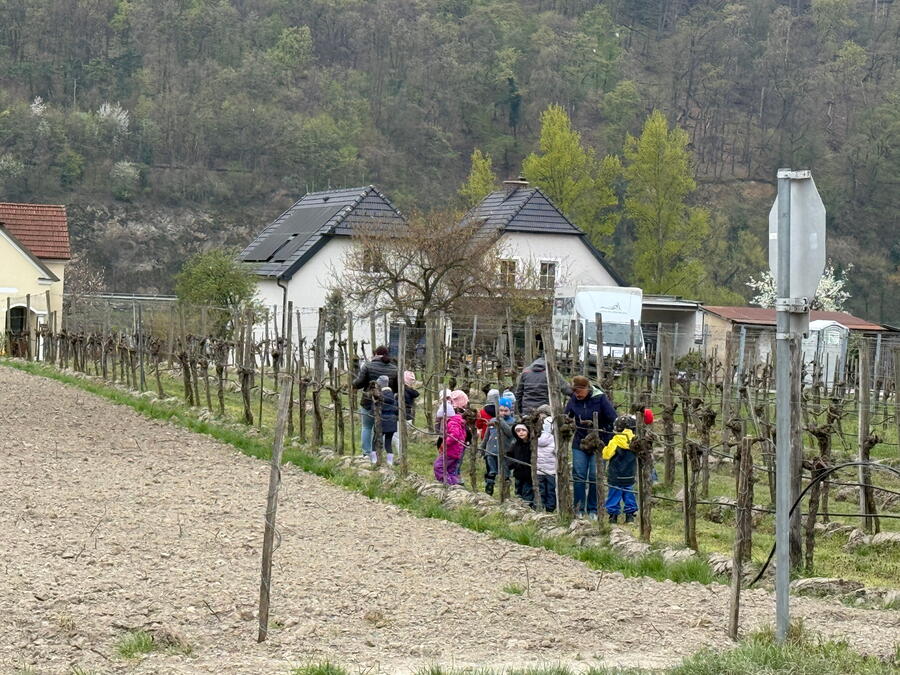
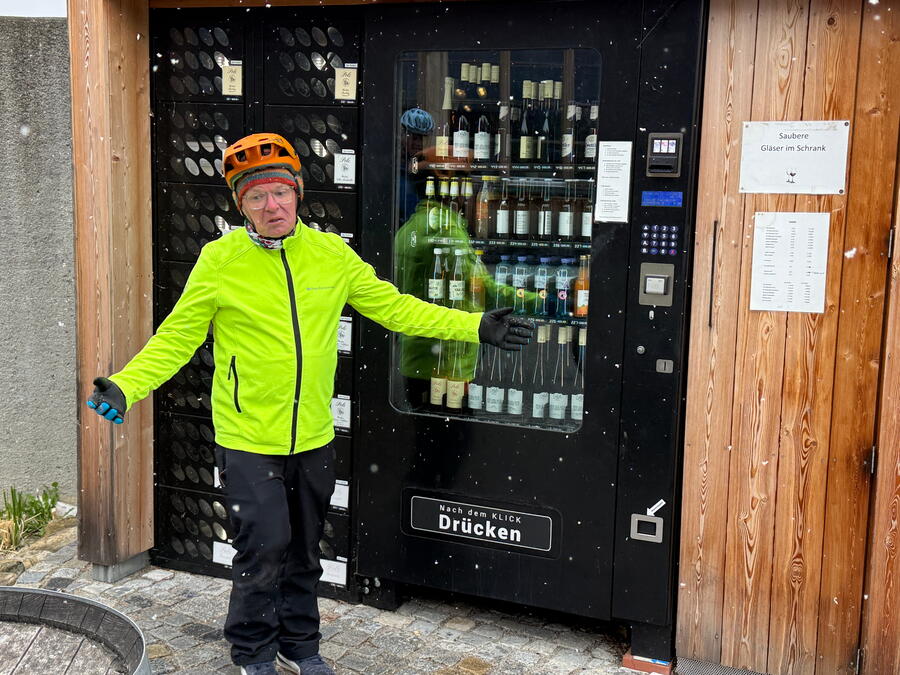
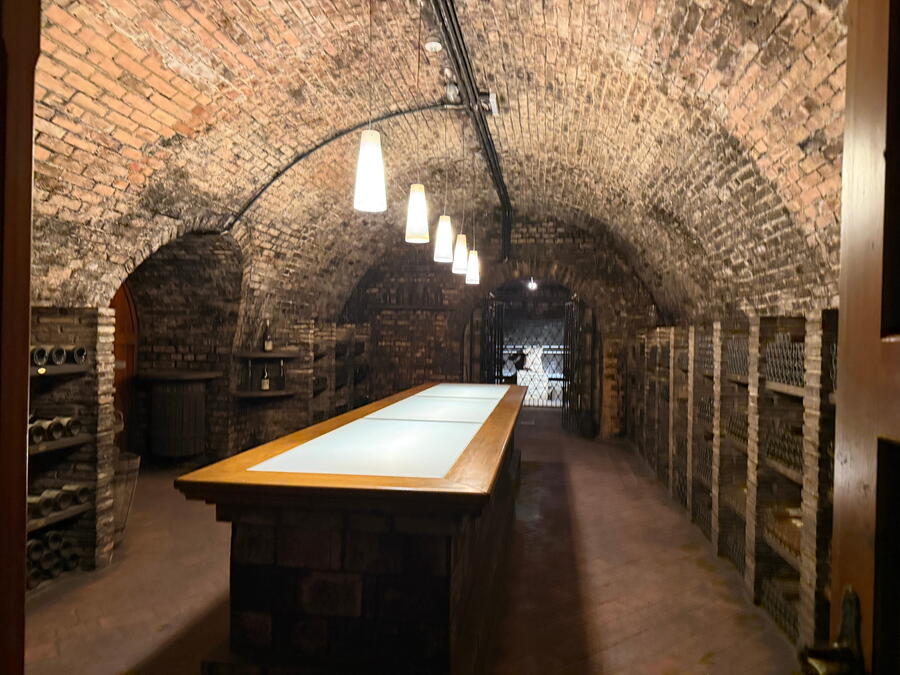
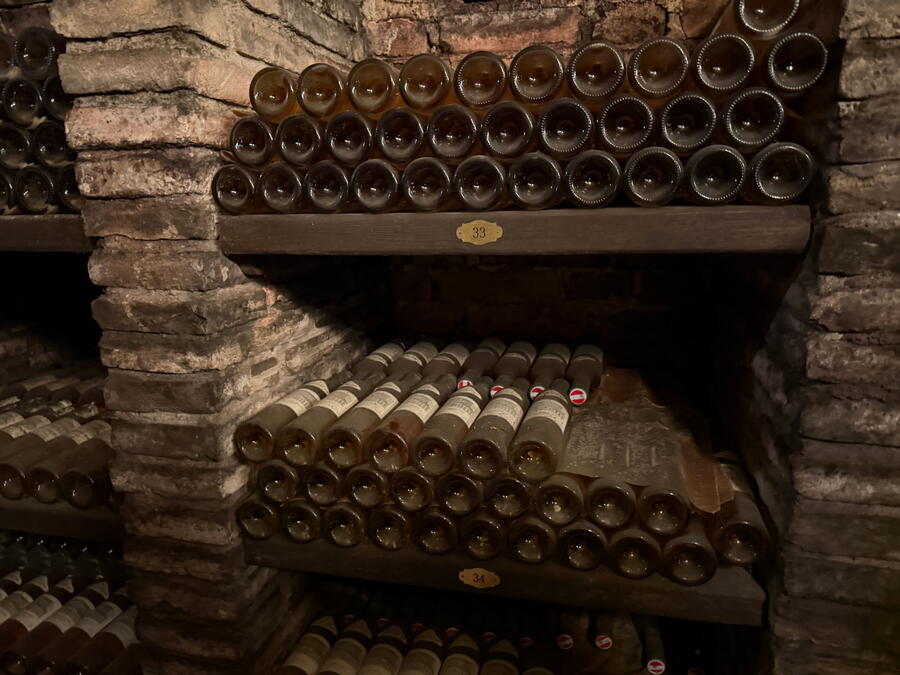
We spent two nights in this small town on the Danube and in the heart of the Wachau Valley, Austria’s primary winegrowing region. Most of the ship guests toured the nearby town of Durnstein, which has castle ruins high above the town. Since RAS wasn’t feeling well, he didn’t do the most rigorous version – a nearly nonstop hike up the steep trail to the nearly 1000-year-old structure, with just four of us and the guide. The castle’s claim to fame was as an imprisonment for King Richard I (the Lionhearted), when he was returning from the Crusades. It also afforded some incredible views. Afterwards, we spent some time in Durnstein, which is known for its apricots, then went for a wine tasting in Weissenkirchen.
Krems, Austria
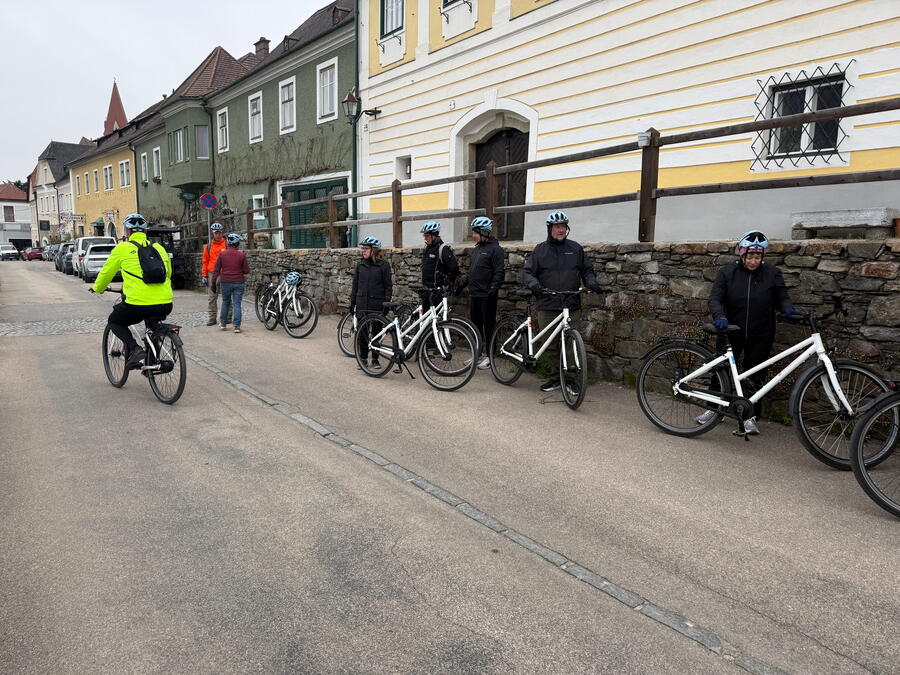
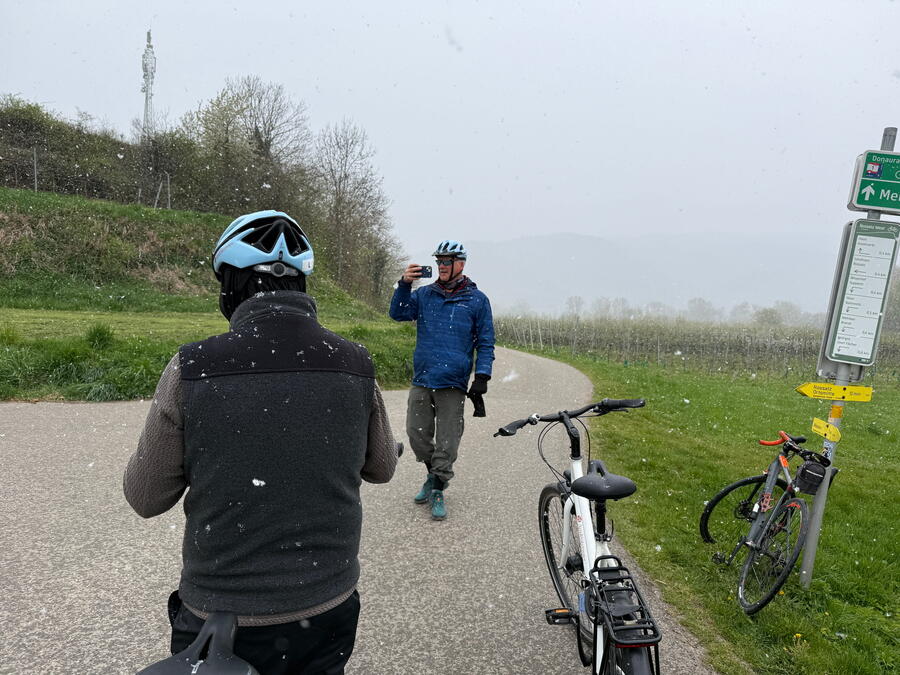
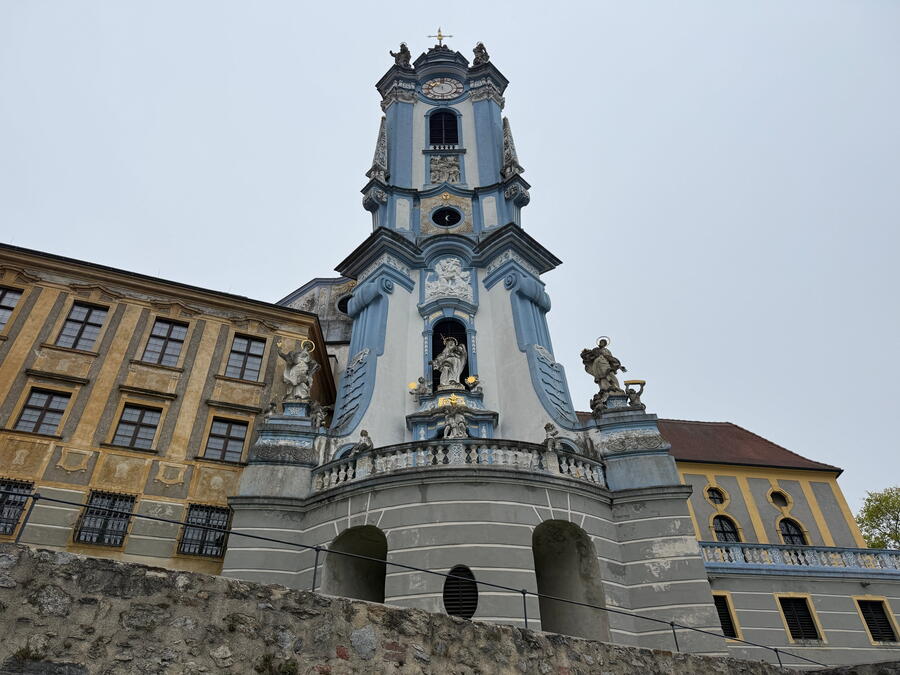
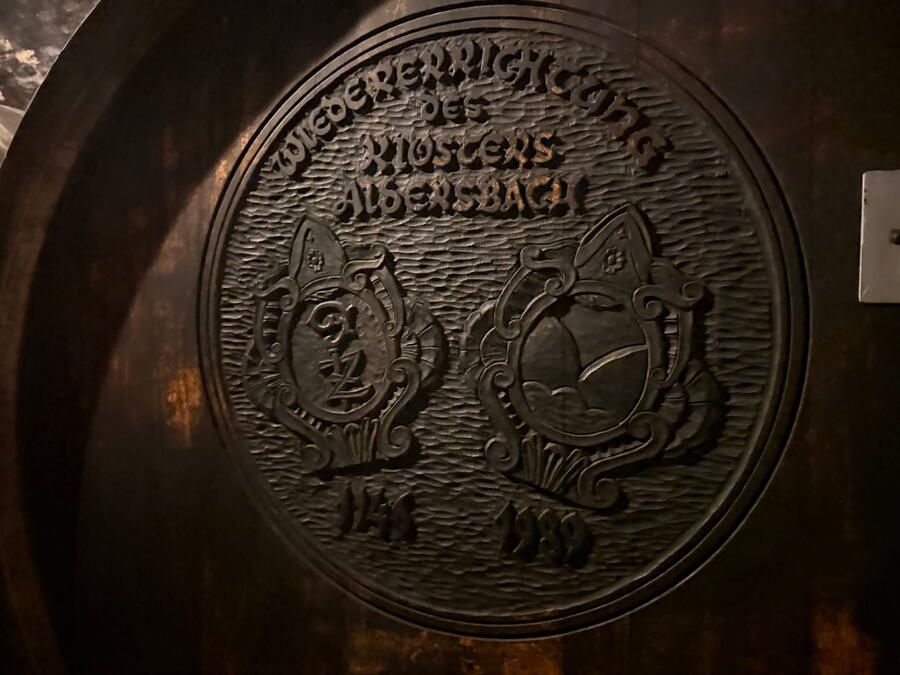
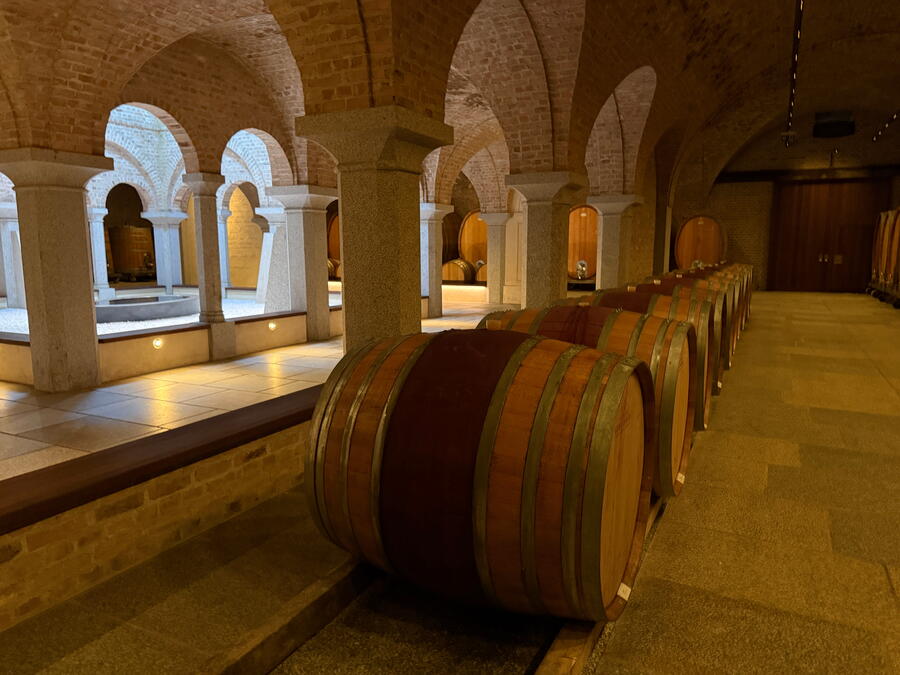
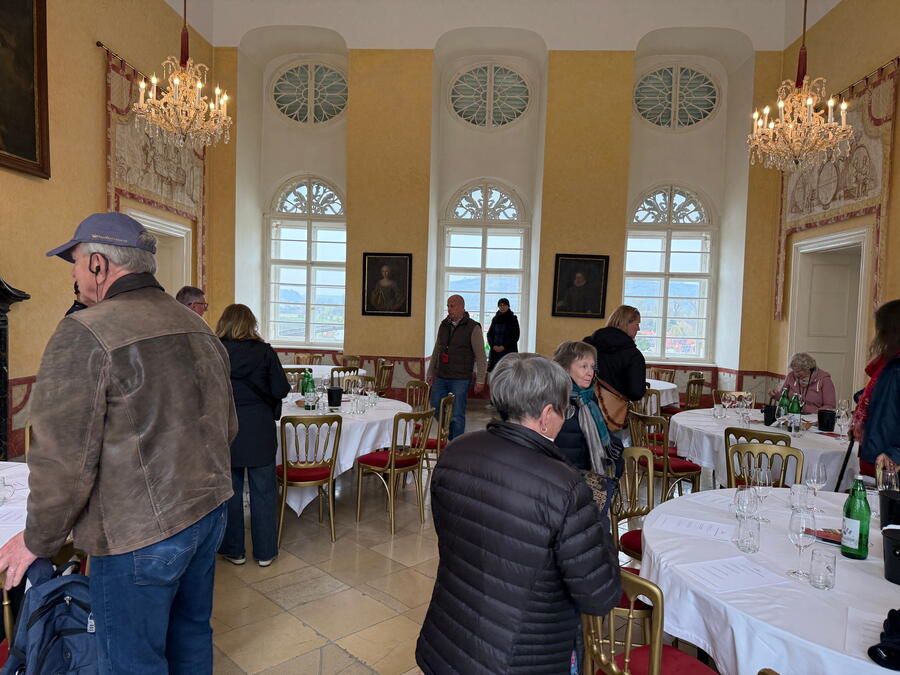
On the second day, some of us (RAS included) went to the Melk Abbey, a massive 12th century monastery and UNESCO World Heritage site. Unfortunately, he couldn’t take many photos of it because they weren’t allowed. I went on a 14-mile bike trip on the Danube, which turned out to be a less-than-ideal activity because it was our coldest day – so much, it snowed toward the end of the ride. But our guide was jovial and encouraging, getting us through the worst of it and helping us enjoy the postcard scenery of vineyards, riverbanks and small villages. Later, some of us visited the Gobelsburg Scholss winery, housed in a 12th century castle, and tasted some Gruner Veltliner wine, one of the main varietals of the area.
Vienna, Austria
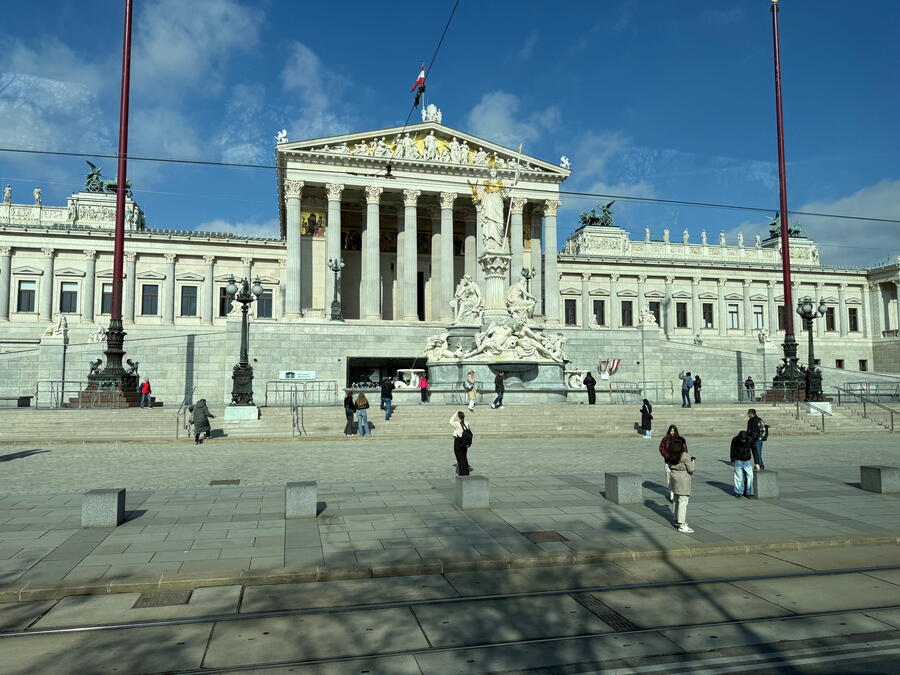
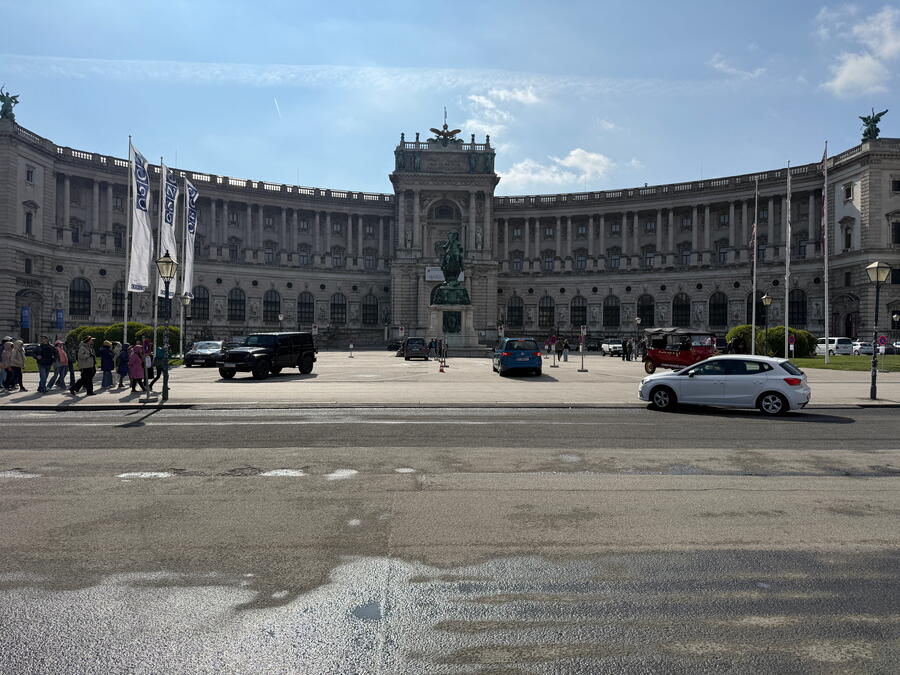
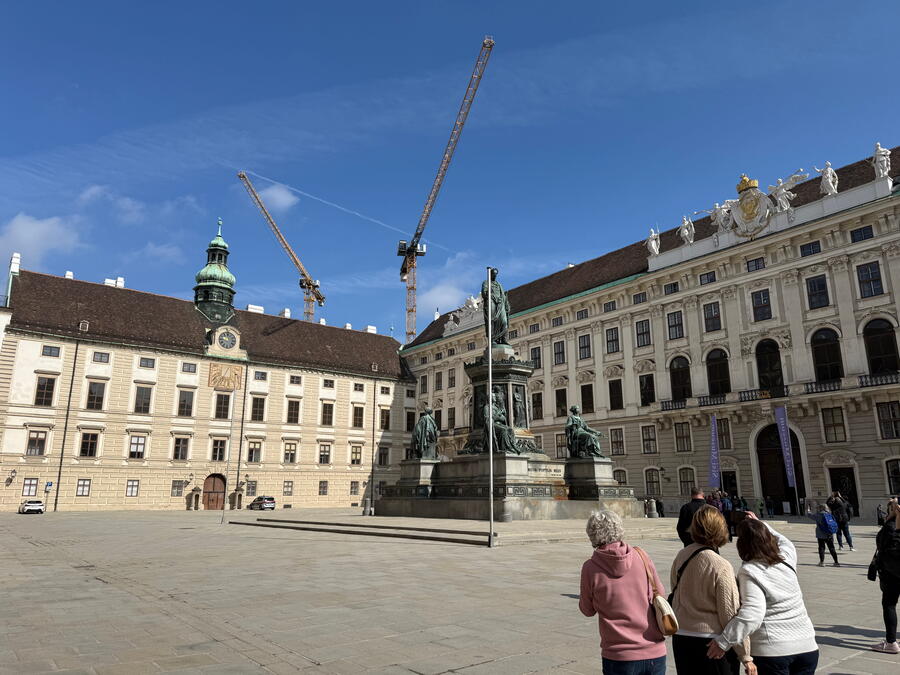
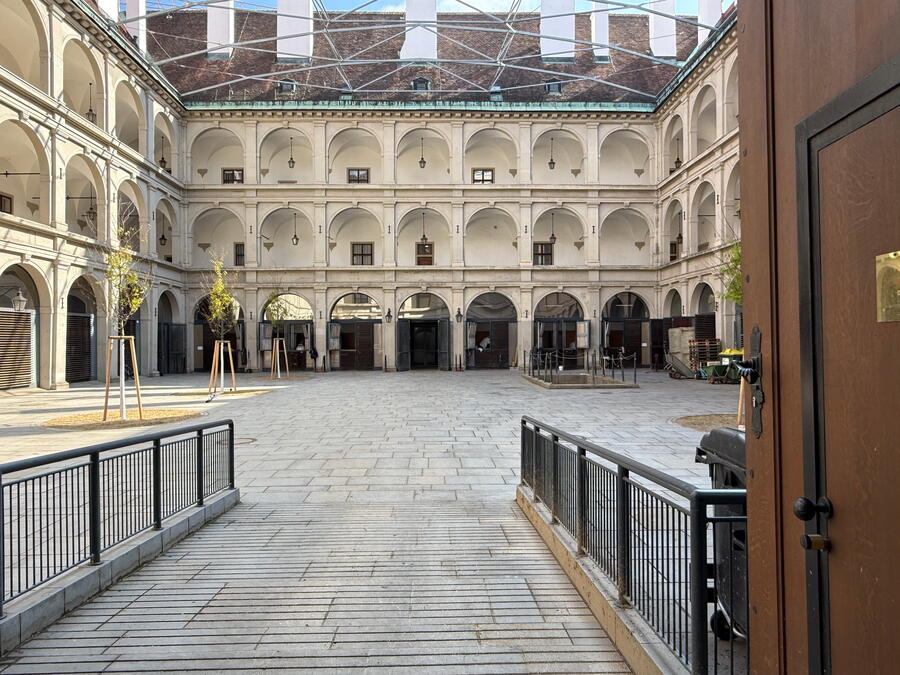
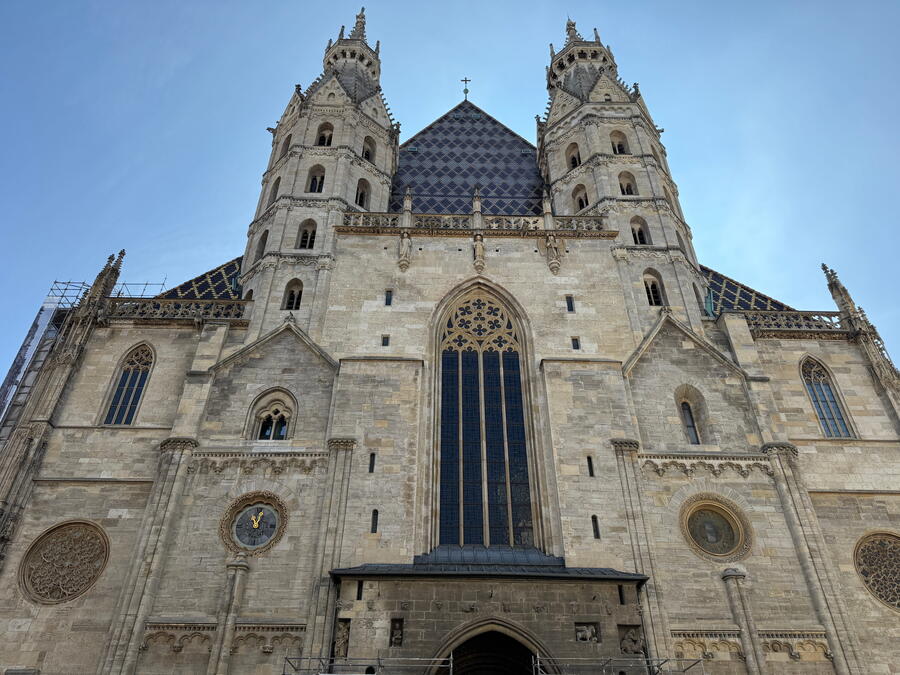
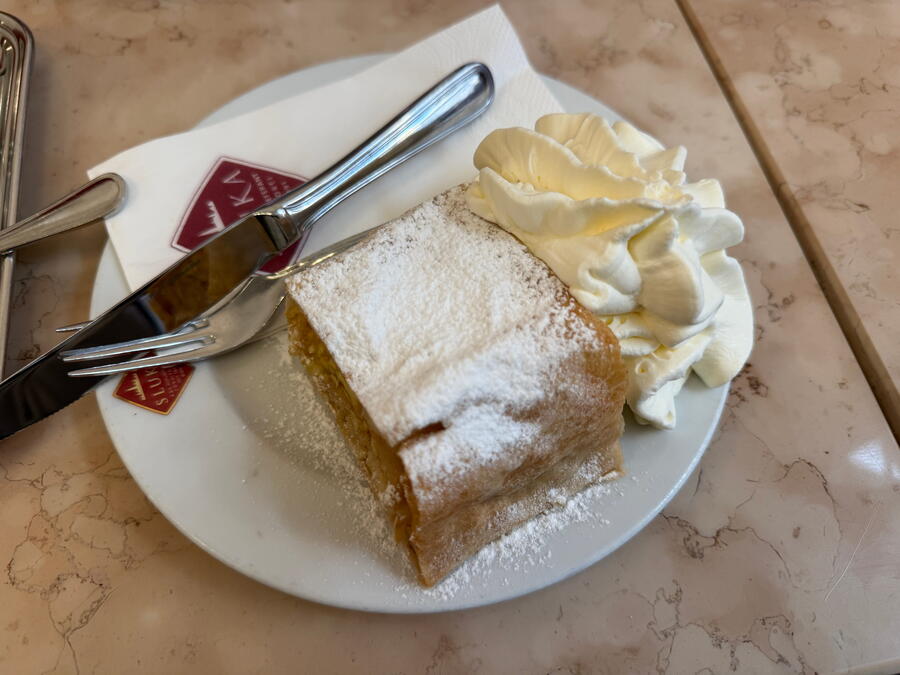
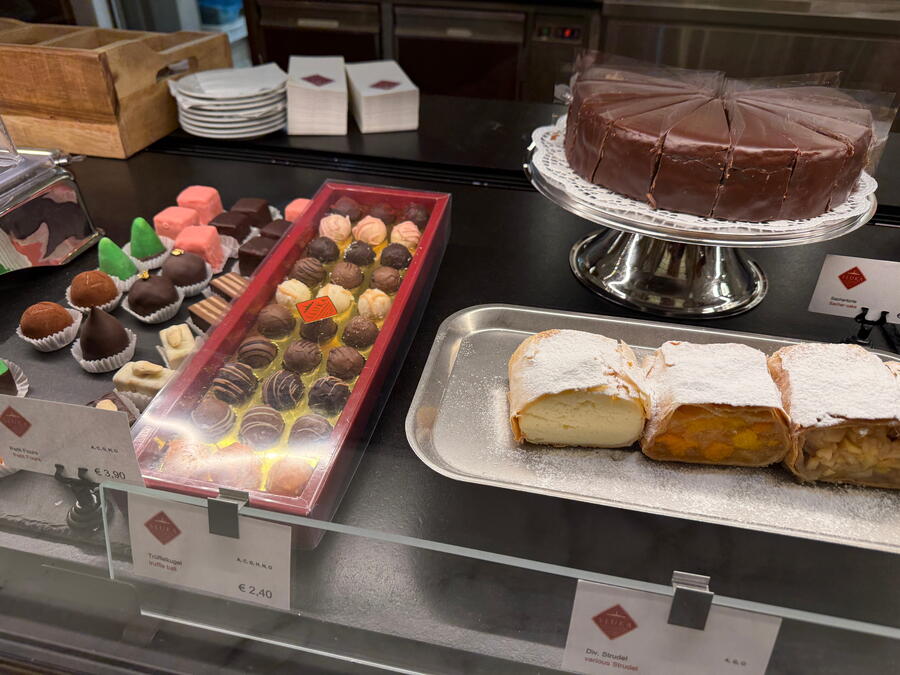
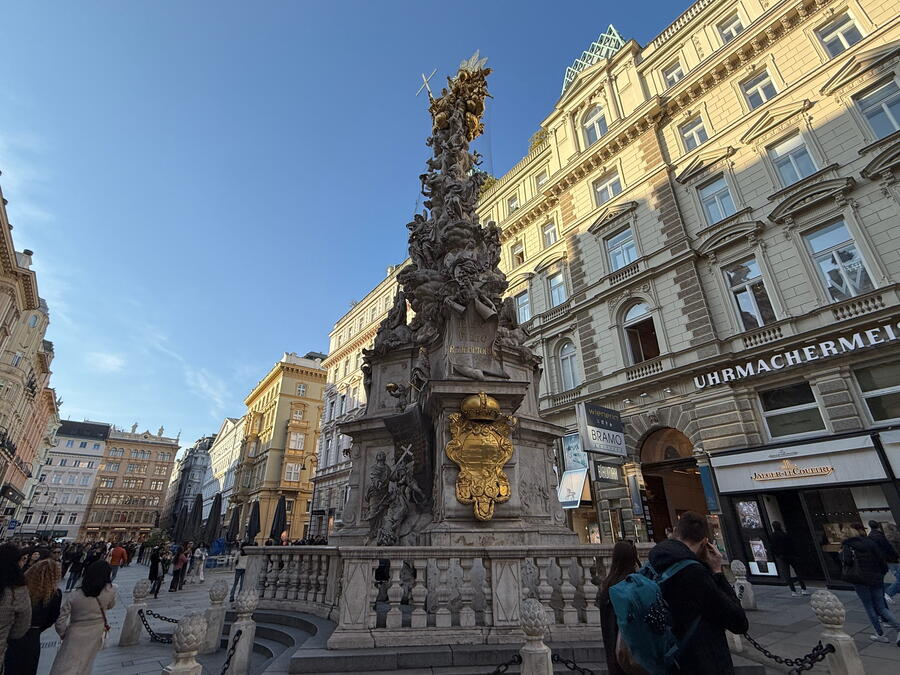
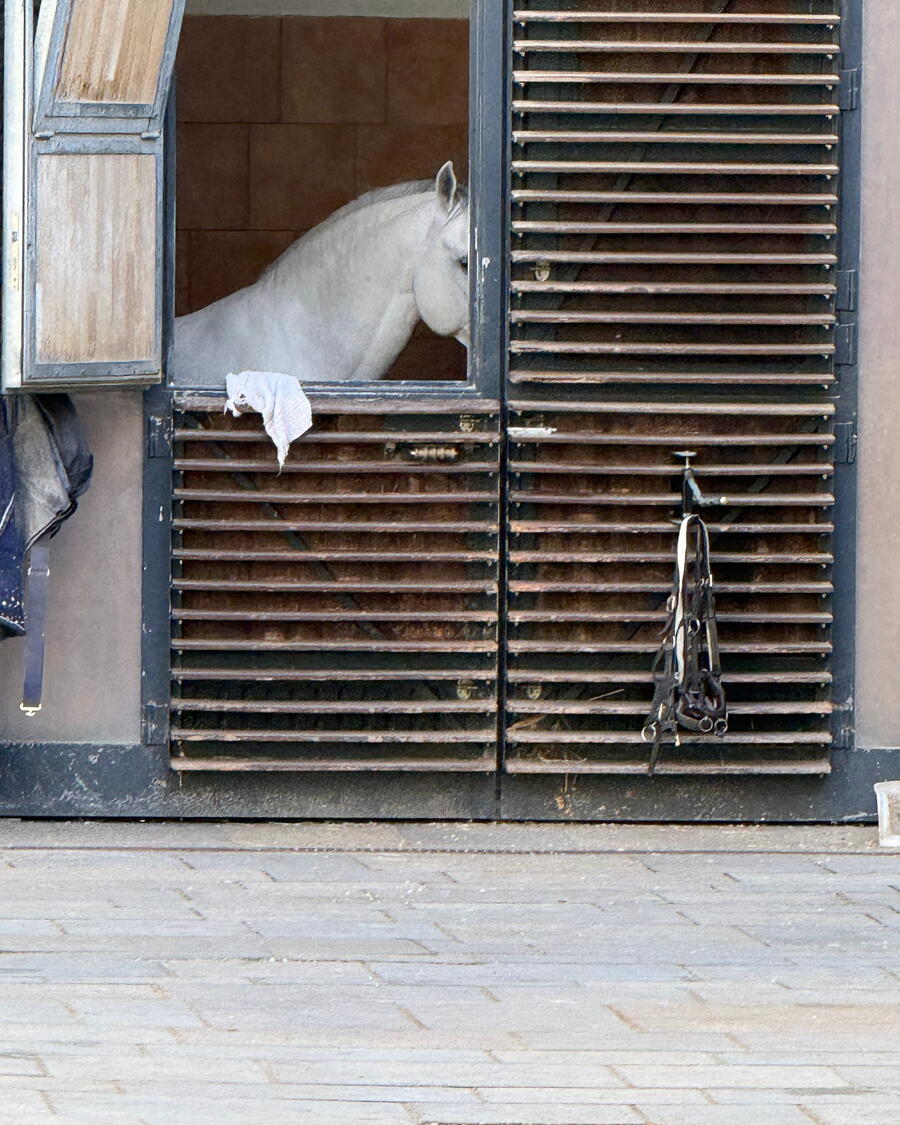
Besides Salzburg, these last two stops on the cruise were ones I was most anticipating. Vienna was one of the great cities of the Habsburg Empire, and the buildings in its city center lived up to its imperial reputation. We started in the Volksgarten, a public park that featured trees, shrubs and benches dedicated to loved ones. Moving on from there, we walked past a half dozen 18th-century buildings which were elaborate in design and massive in size. Included in these was the Spanish Riding School and the white Lipizzaner stallions known for their choreographed program. Of course, I couldn’t miss out on enjoying some local dessert, so I ordered an apple strudel at one of the city’s many coffee houses.
Budapest, Hungary
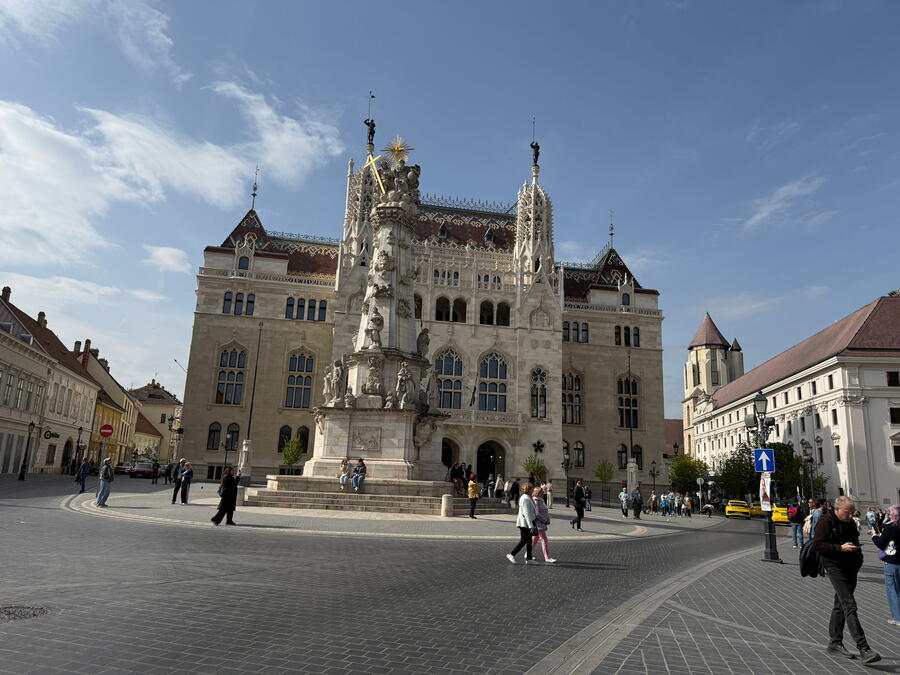
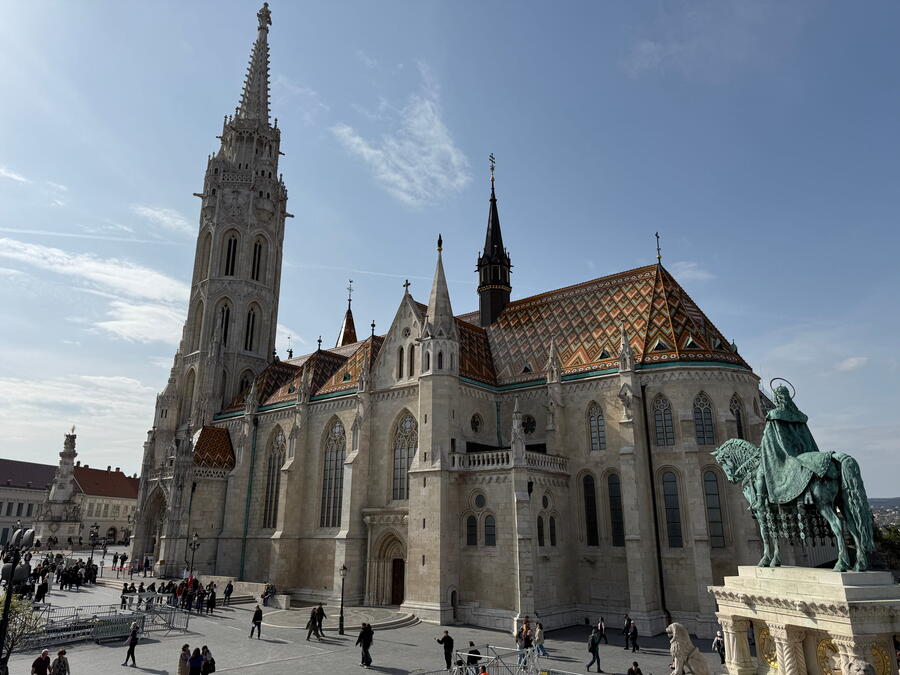
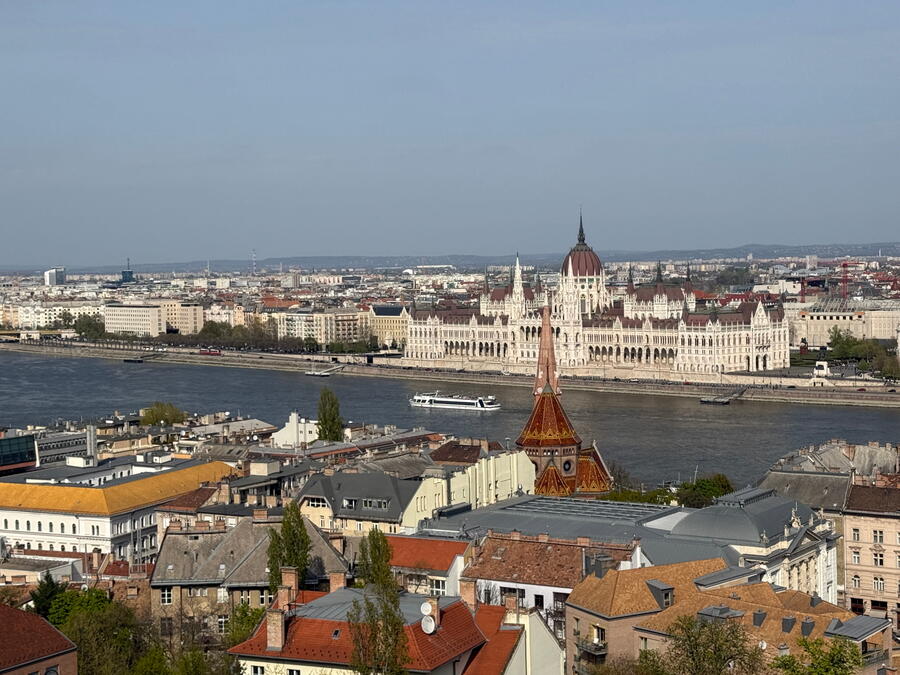
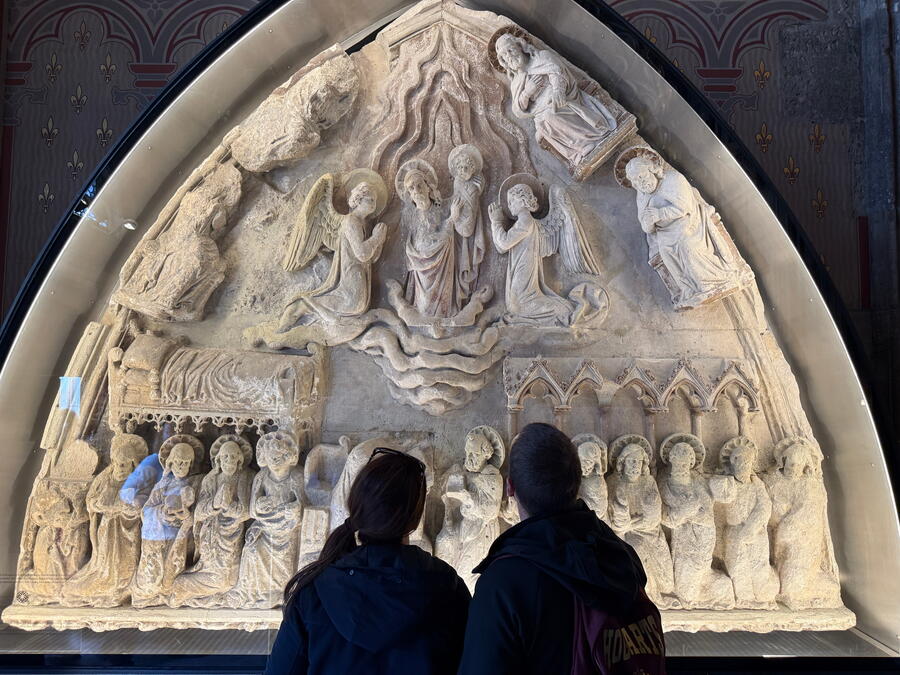
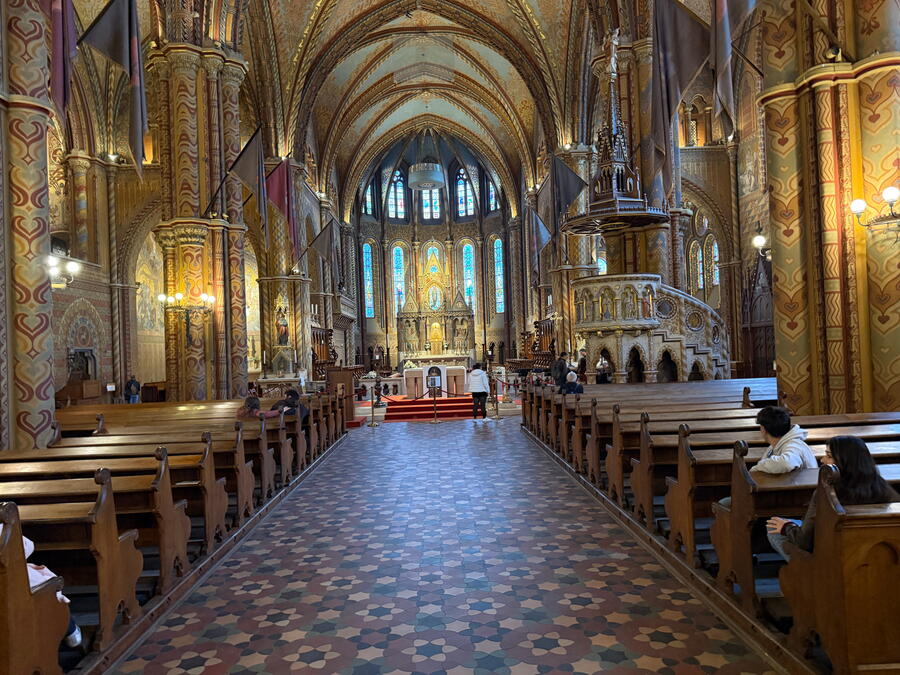
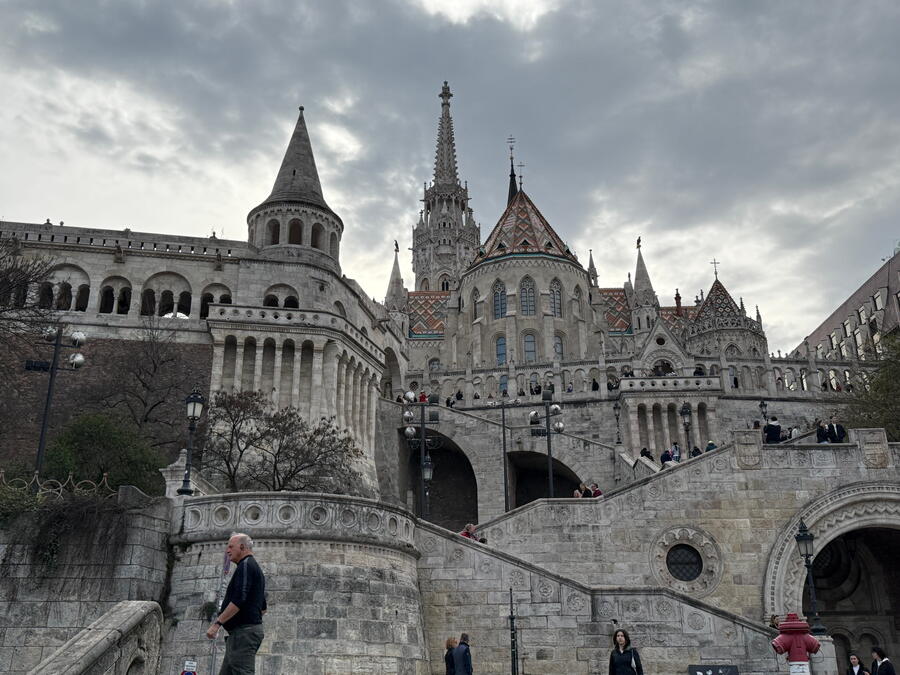
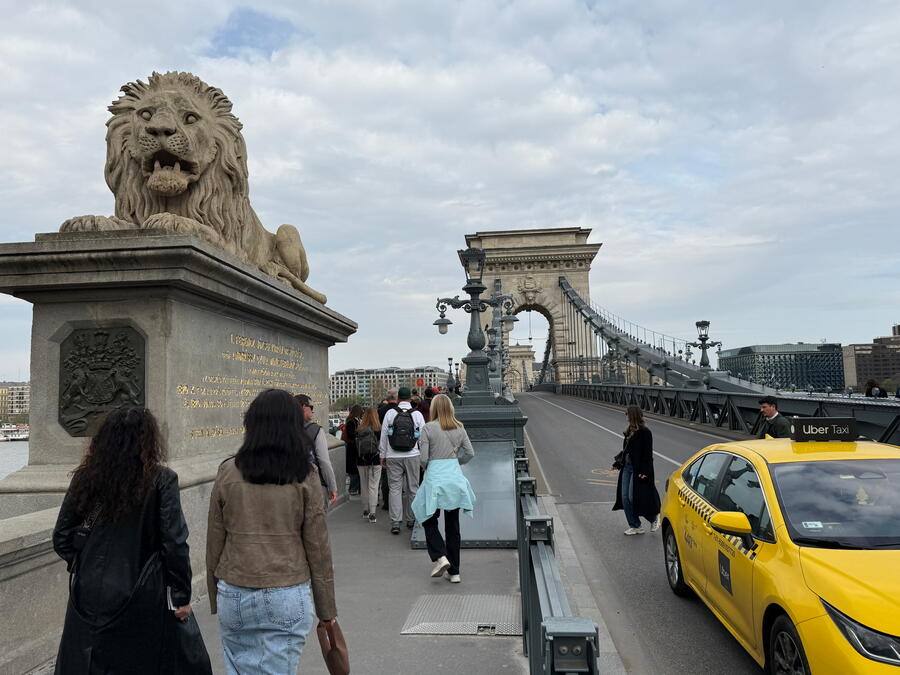
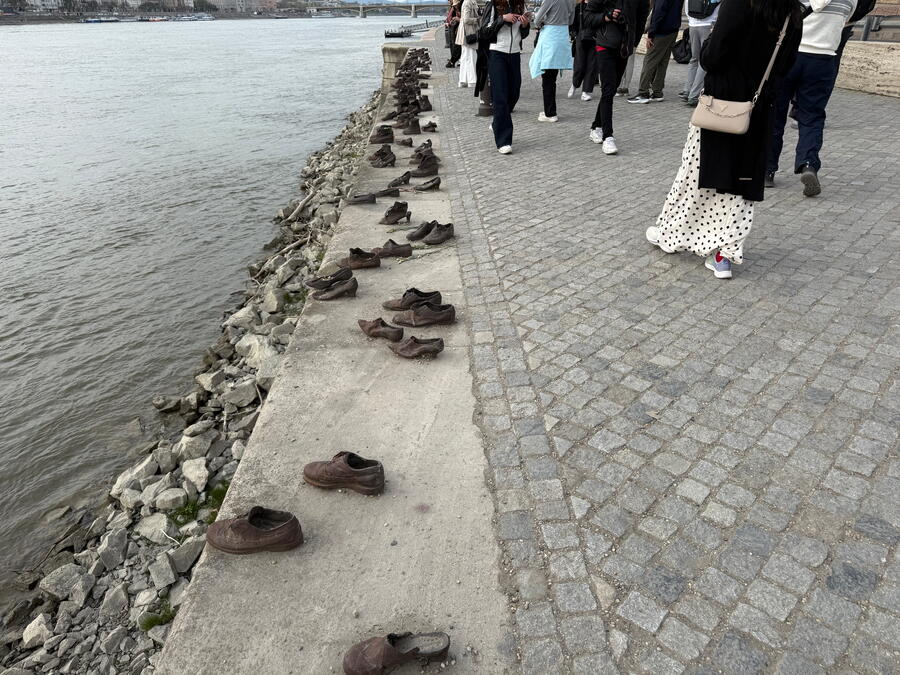
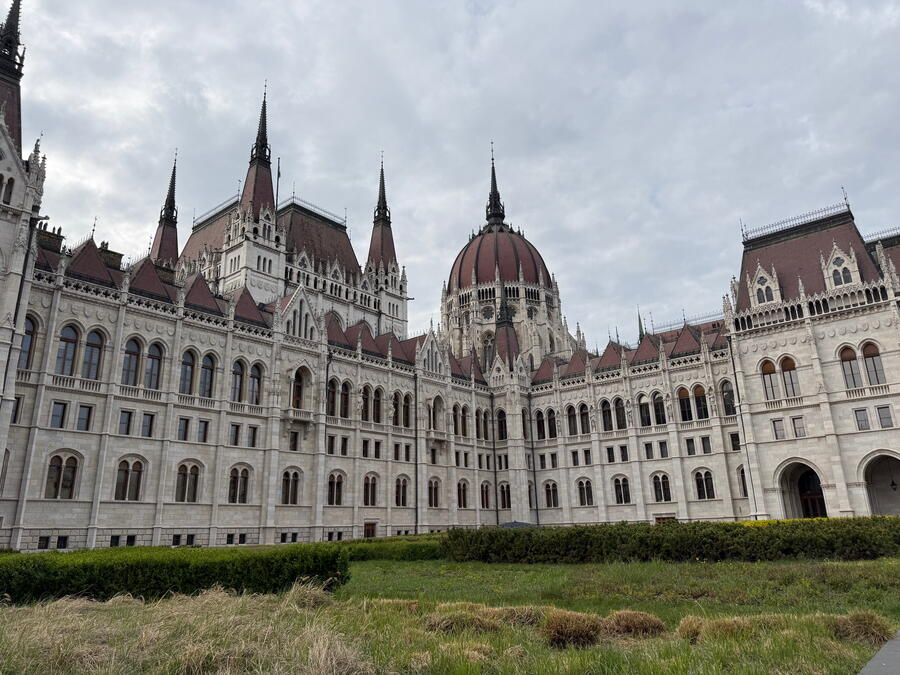
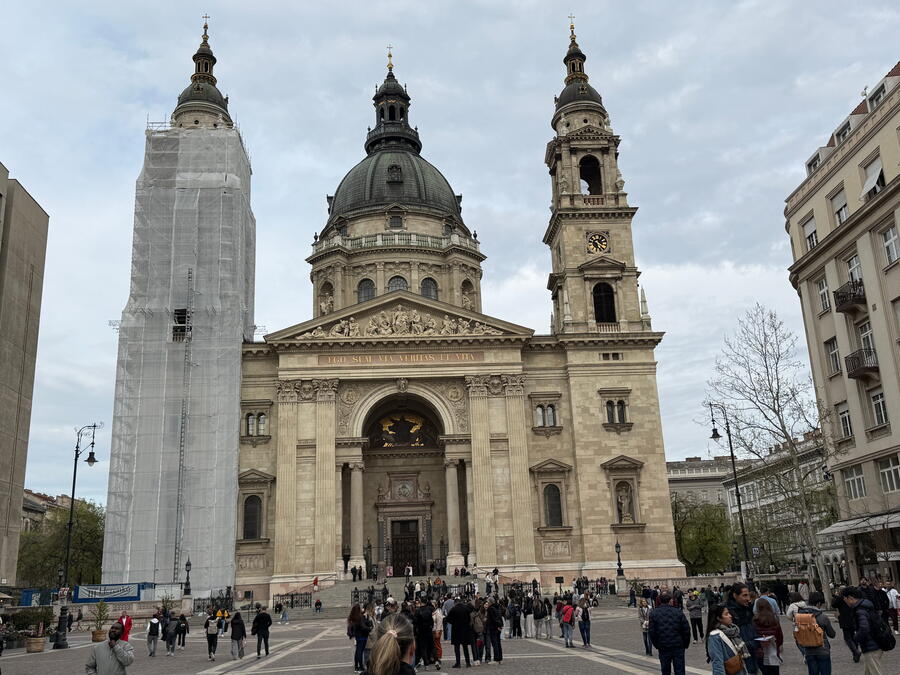
The last stop on the river cruise was much like Vienna, which is no surprise because it was the other major city of the Habsburg Empire. I would say the buildings here, especially on the “Buda” (the older and hillier) side were even grander with more intricate designs and carvings. We spent more time on this side of the city, but we still saw other highlights that most people would know – the gothic style Hungarian Parliament and the Shoes on the Danube Bank, a memorial dedicated to Jews executed here during World War II. Another interesting event: we witnessed some of the momentous national election celebrations taking place – but nothing like the massive crowds coming later that evening.