One of the first things I did when I moved to Colorado 24 years ago was to take the Coors Brewery Tour. It was here in Golden, the brewery’s long-standing home and the town synonymous with the beer itself. The problem is, I’ve never really liked Coors’ signature brew, Banquet. I’ve never understood its mass appeal, especially during the 1960s when people would drive out to Colorado just to buy it.
I could understand this determination for those from states where more restrictive alcohol sales were. But coming from California, where buying drinks of all kinds was easy, I couldn’t fathom why anyone would want beer that was about as strong as tap water. In all the years I’ve been here, I would try every so often to drink a Coors Banquet, but I just couldn’t enjoy them. Instead, I would give my can or bottle to RAS – or more often, grab another drink and leave the half-empty. Obviously, I would rather go to any other craft brewery in town than this one.
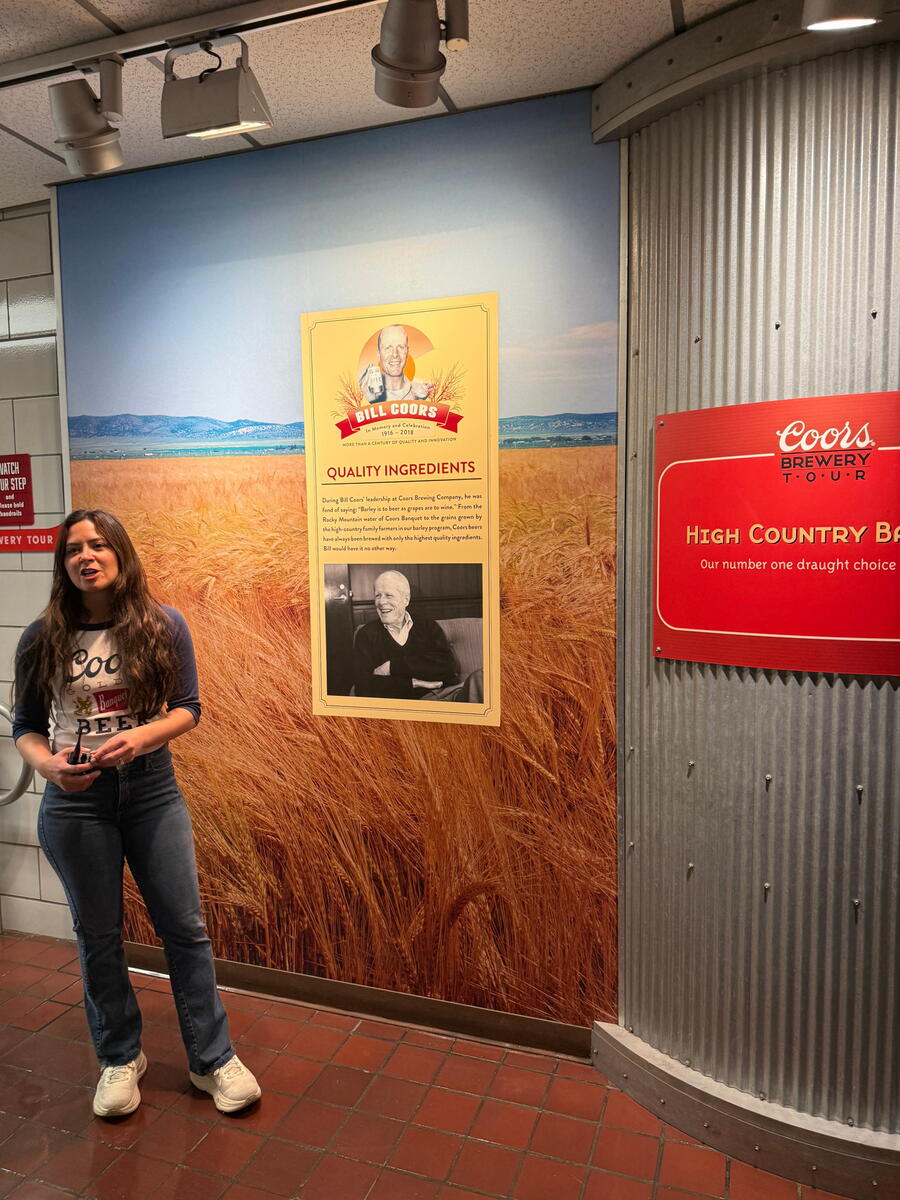
So, when I had the chance to go again on the Coors Brewery Tour, courtesy of Virgin Voyages as part of a travel advisor appreciation activity, I put my dislike of the beer aside and went. It turned out to be enjoyable, especially being with other advisors and our business development manager, Paige. Although the tour is free, visitors must reserve a date and time in advance.
Beginning of the tour
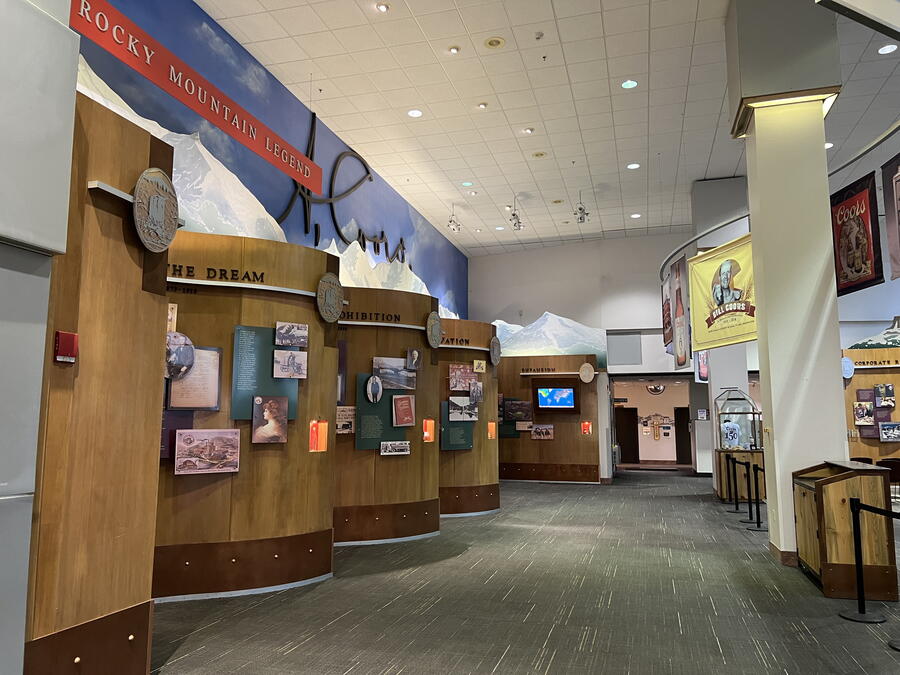
Visitors hop on a bus from the parking lot and take it to the entrance, which has a giant replica can of Banquet as well as a copper vat that’s like the ones in the main building. We then went through the lobby and got a brief history of German immigrant Adolph Coors starting the brewery, using their signature “Rocky Mountain Spring Water,” which also adds to the beer's allure. It comes from deep aquifers beneath the town. There’s also video of the fourth and fifth generation family members explaining how they keep the traditional processes and new business practices going. We learned that Coors is the largest single-site brewery in the world, producing 1.5 million gallons of beer a day.
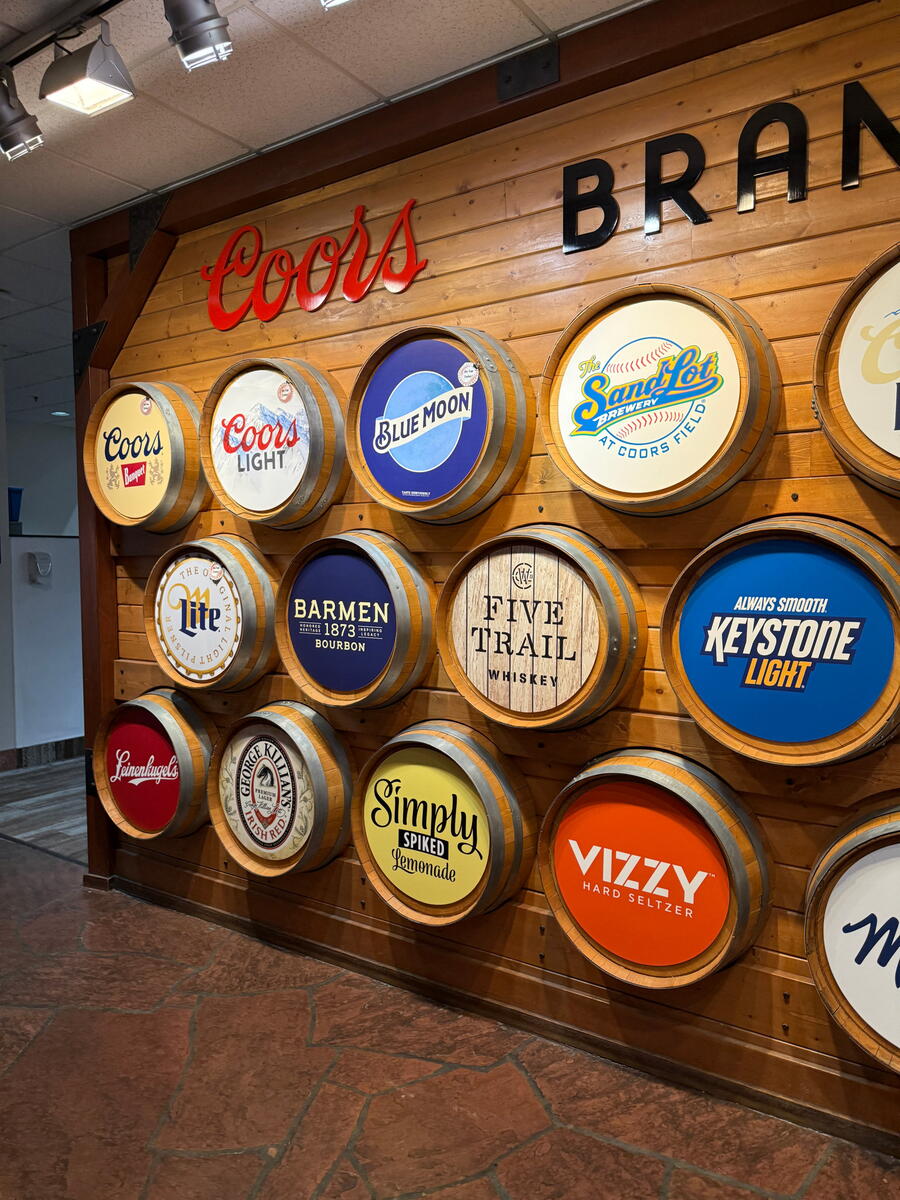
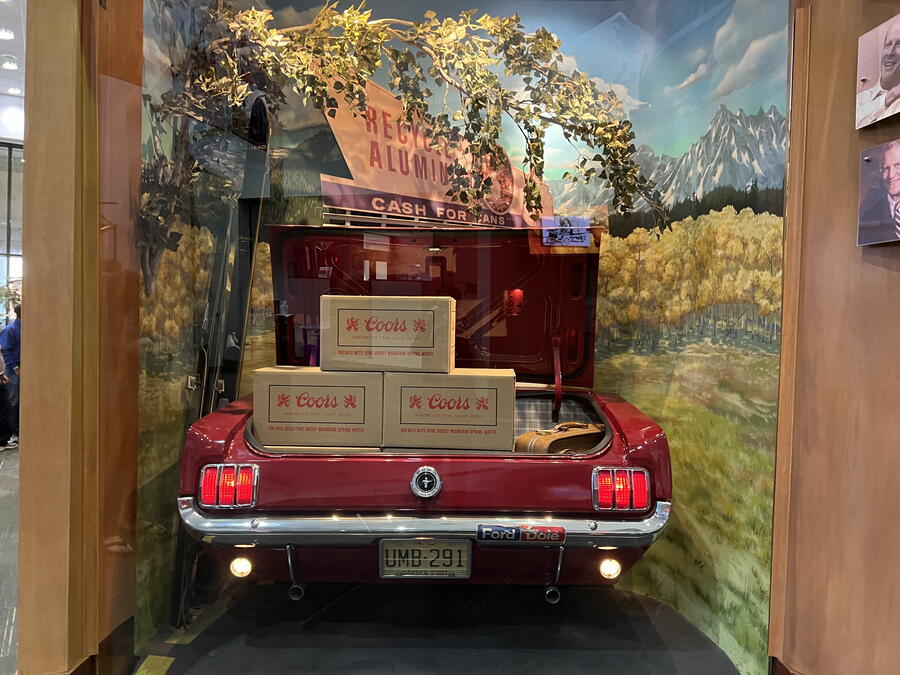
Another area at the tour’s start is the display of a car trunk with Coors cases. This illustrates how people would drive from all over the country, just to buy the beer. That’s how the brand became a legend, as well as through popular culture like the movie “Smoky and the Bandit.” Before heading up on an elevator, we saw the different brews and beverages that Coors makes, which, besides beer, includes whiskey, bourbon, hard seltzer and energy drinks.
The main tour
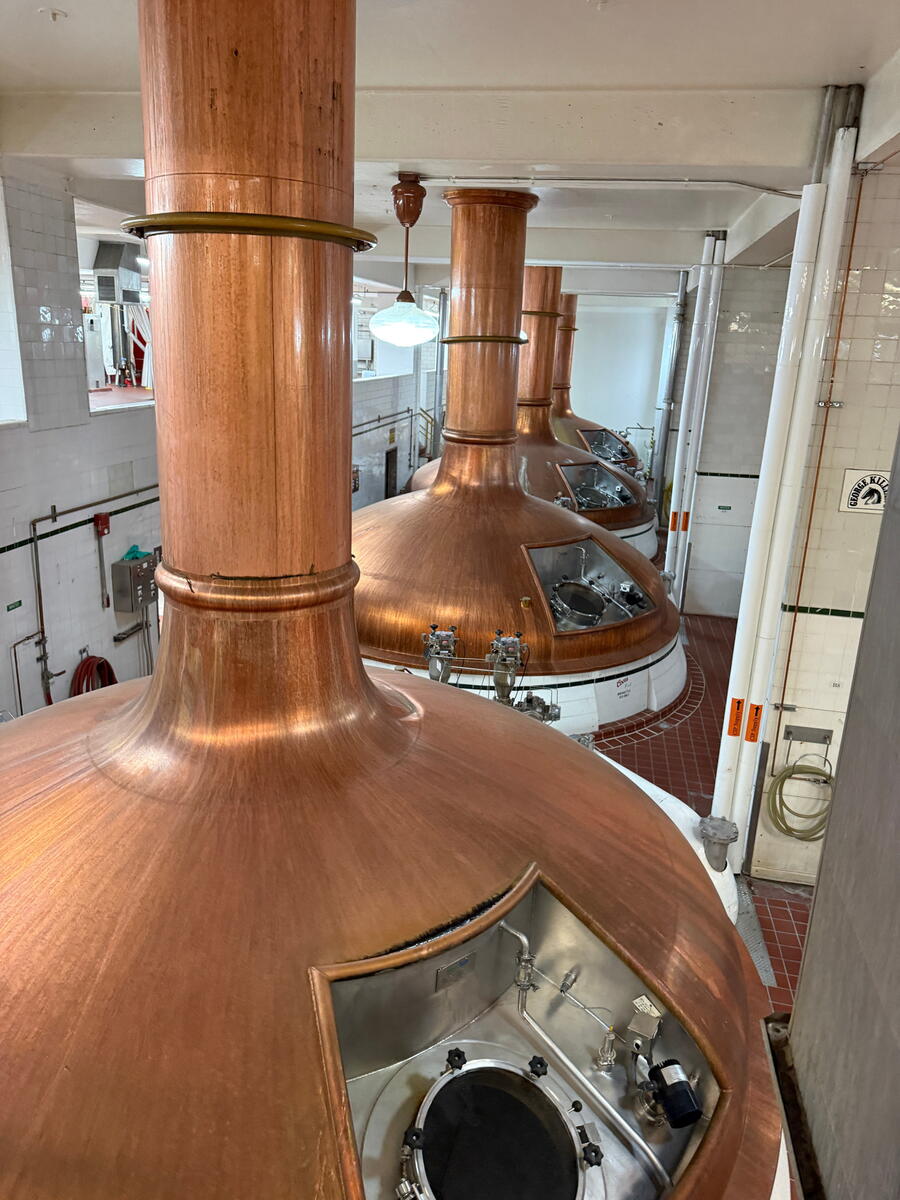
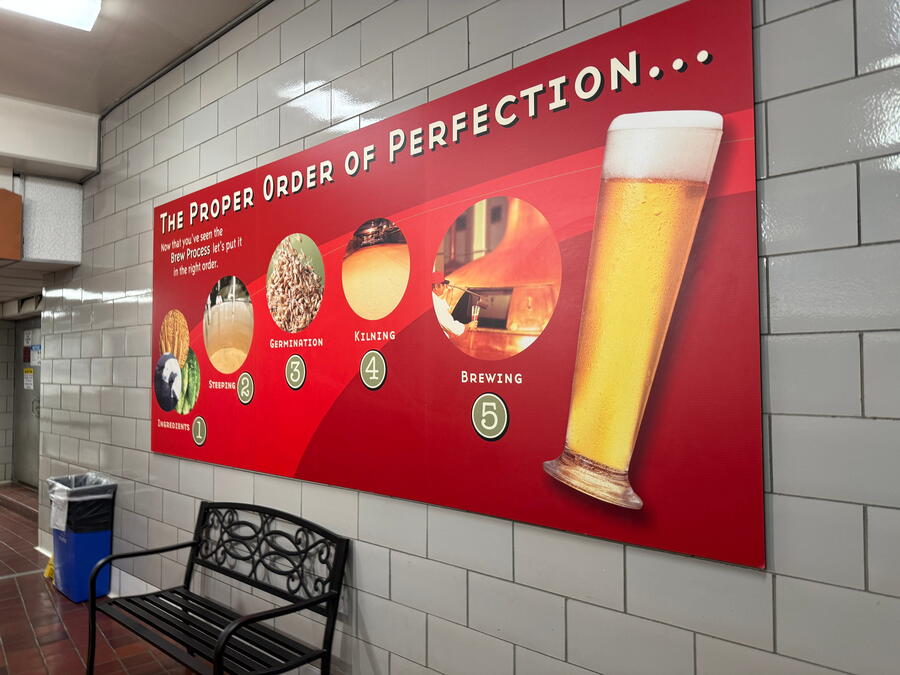
Our guide took us through to the first part, which was the large copper brewing vats like the one outside. This was the last step in the process, as beer must go through several other preliminary stages before it arrives in the vats. Coors beers are made with water, barley malt, hop extract, yeast and corn syrup (dextrose, never high fructose). The special type of barley gives the brew its pale gold color.
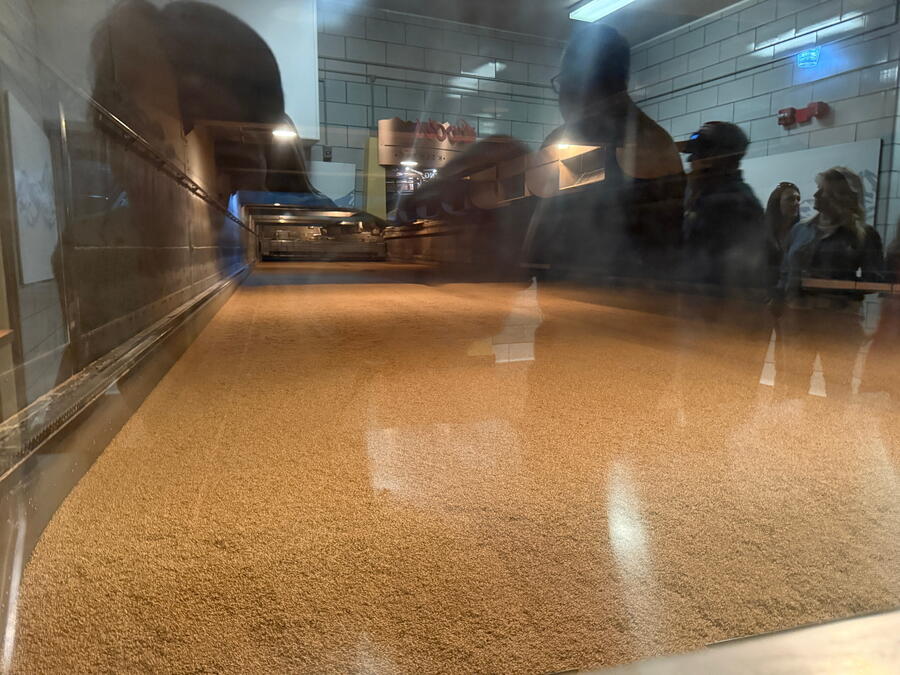
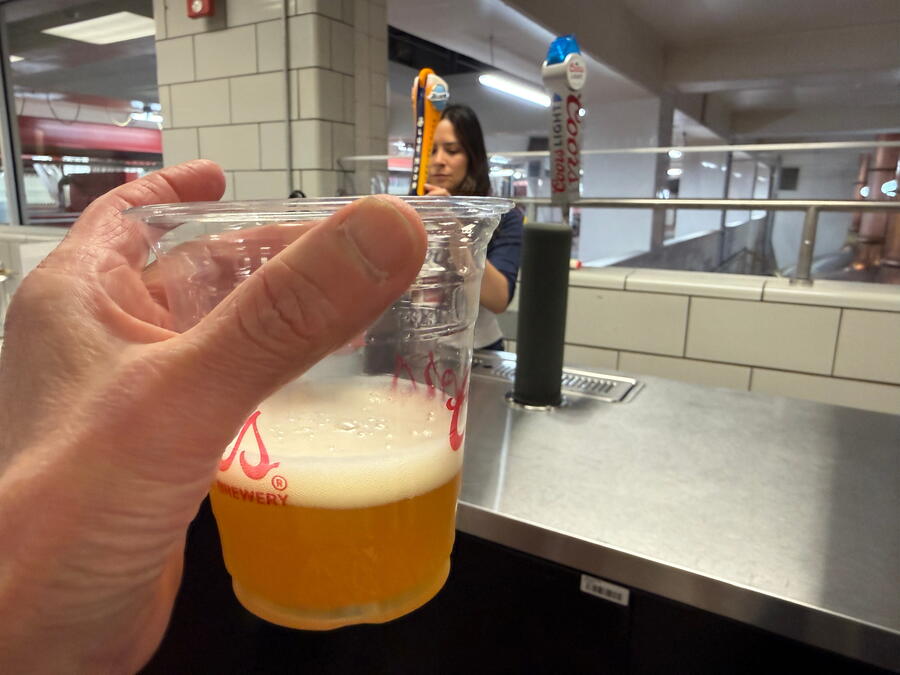
The barley comes from local growers and is steeped then allowed to germinate. Once that process completes, the barley goes through kilning in massive spaces that are as long as a football field. Finally, the grains are brewed with the water, hop extract, yeast and corn syrup. The hop flavor gives the beer a slightly aromatic and herbal taste, while the yeast converts the sugar to alcohol and the corn syrup lends a crisp, clean finish. During this part, we had two tastings - Coors Light or Blue Moon, their Belgian-style brew, and Banquet.
The final part
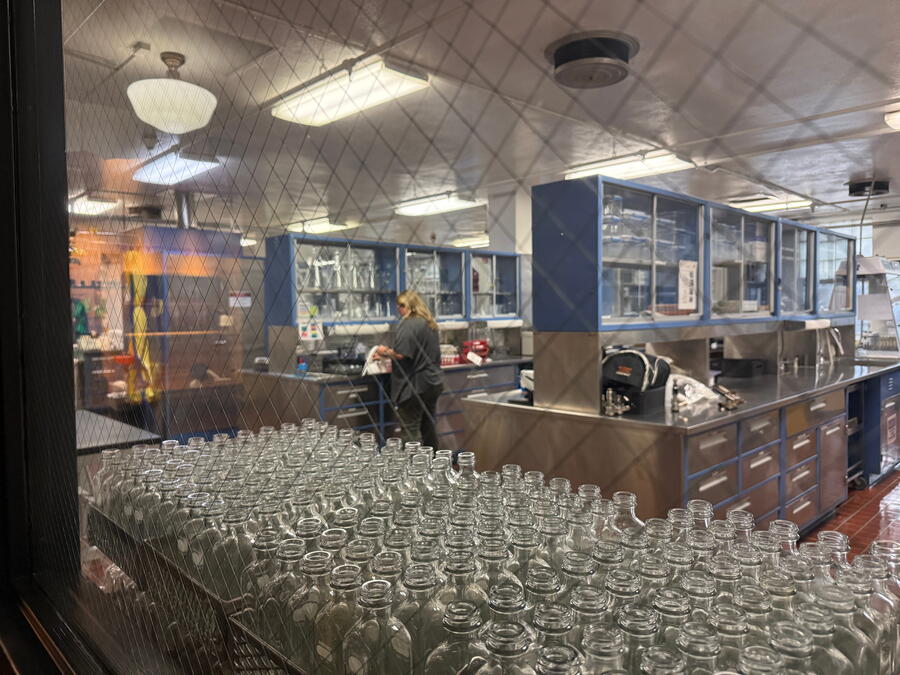
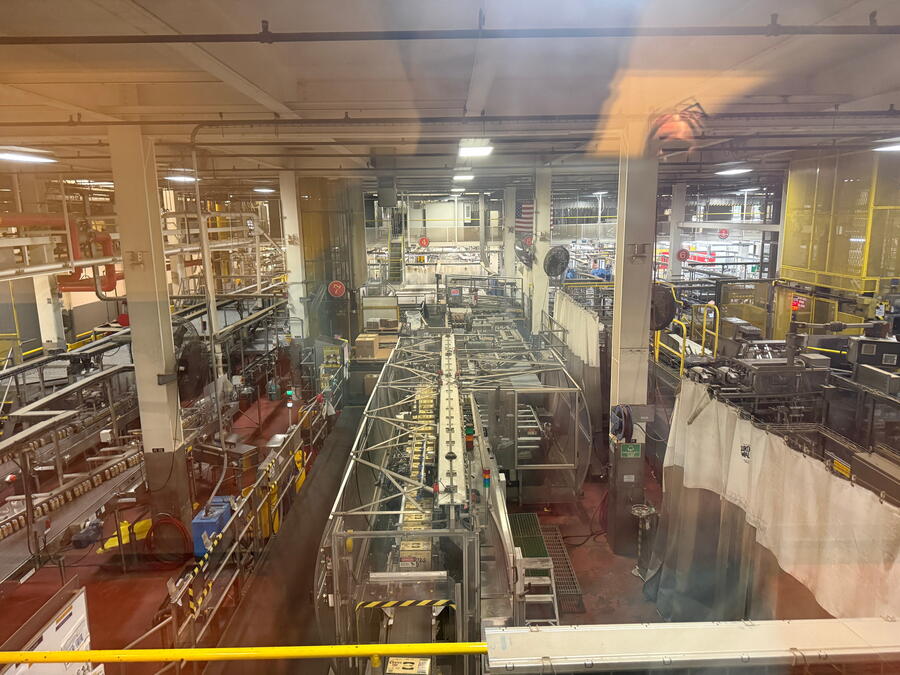
We were lucky to see the assembly line of Banquet beer being packages in the patented aluminum cans (an innovation developed by Coors) and boxed in cases. Our guided pointed out that tour groups only see this about a third to half the time. The company also invented the coldness indicator on Coors Light cans, which shows beer is cold enough to drink when the mountain logo on the top of the can turns blue.
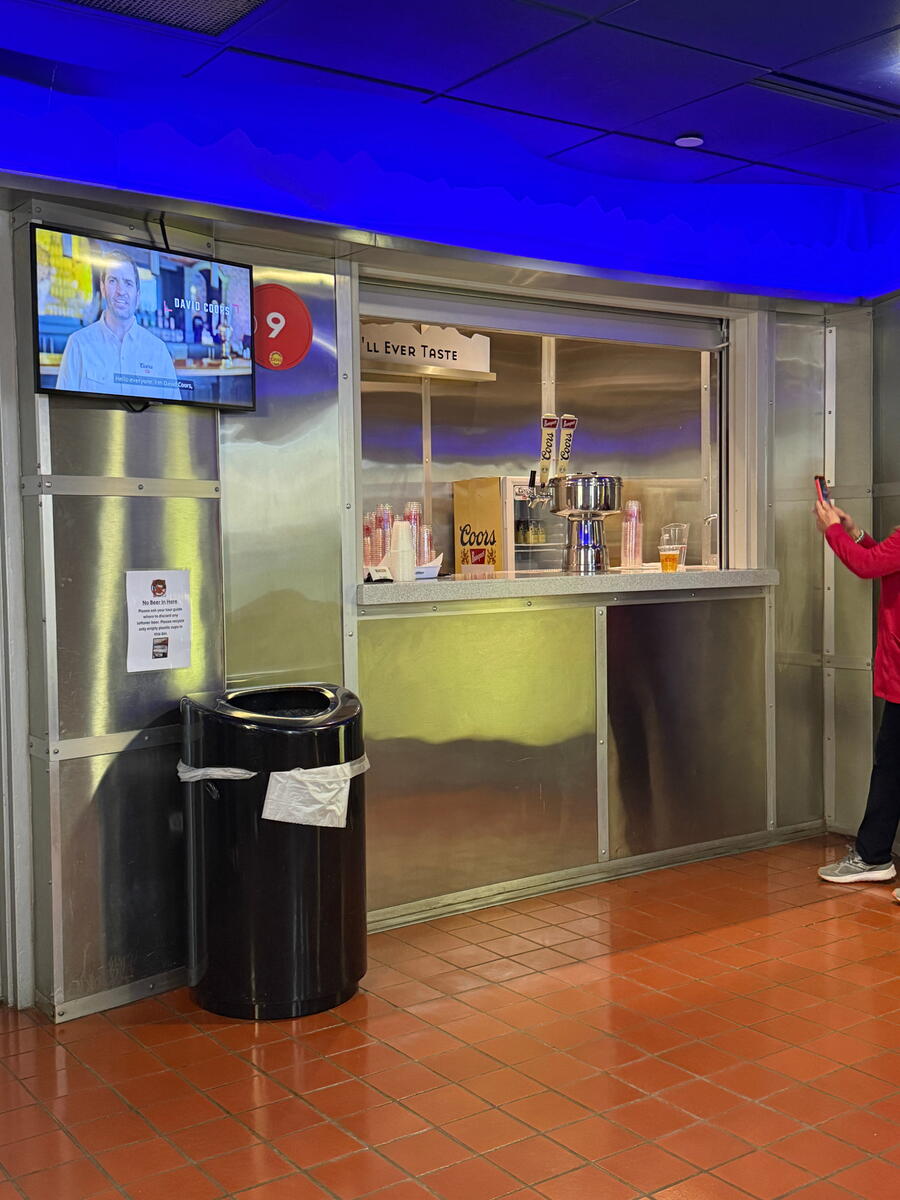
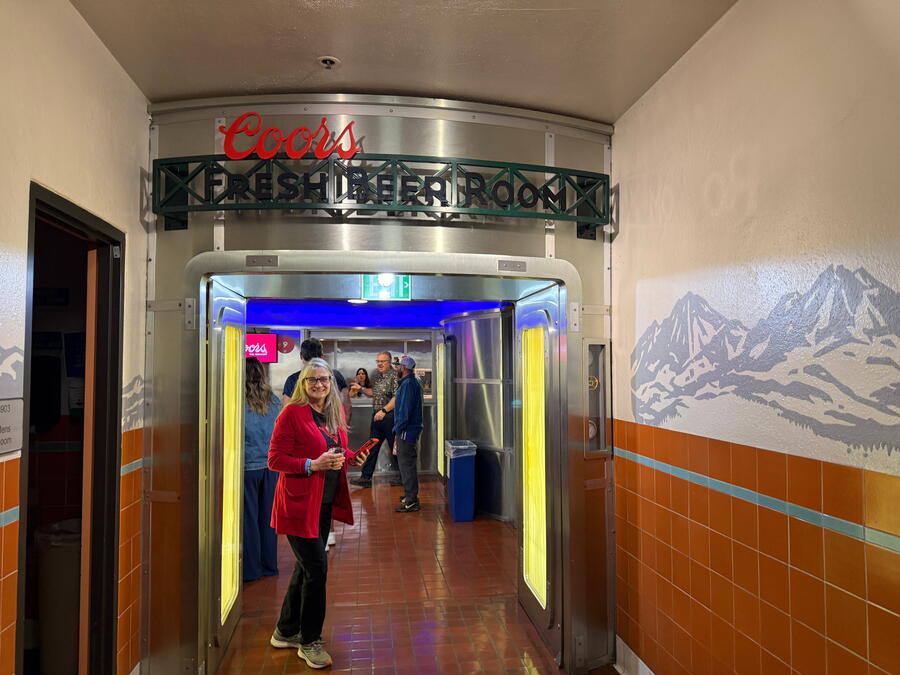
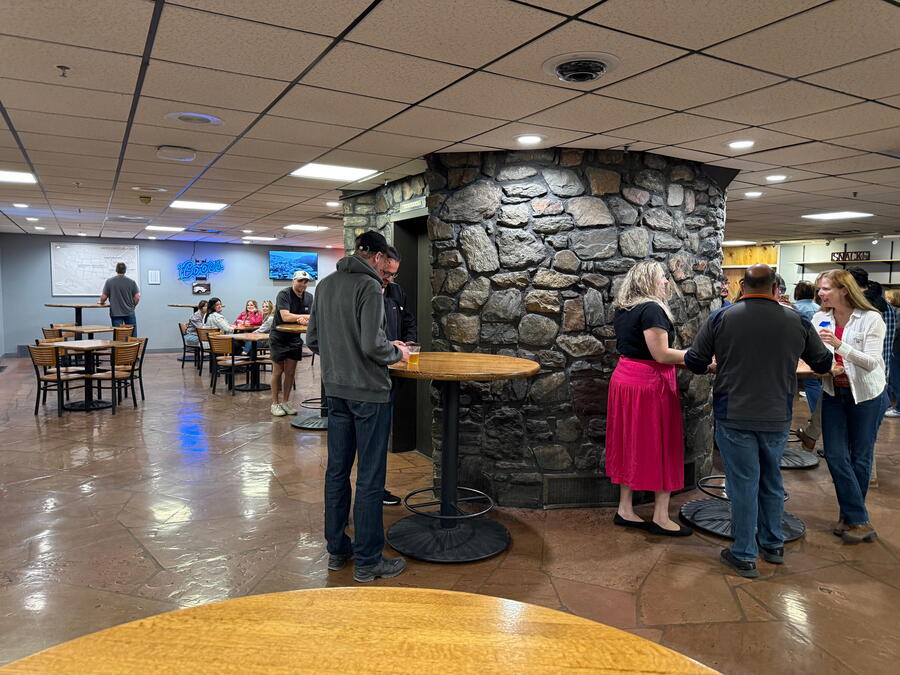
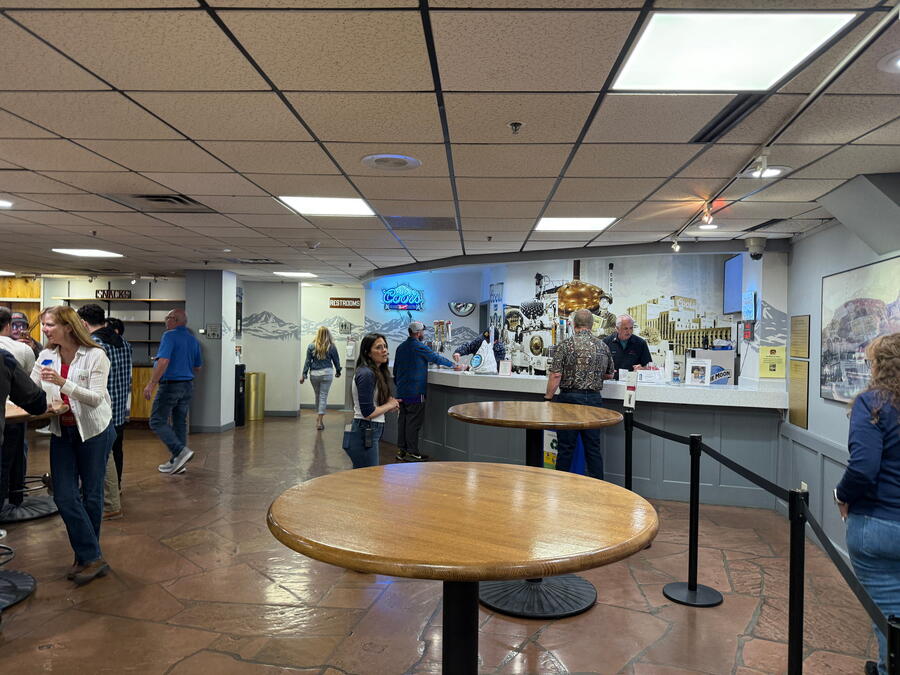
After the tour, we could have two full cups of our preferred brew which were essentially the three beers we had tried. The only beers that were different was an ultra-cold version of Banquet, which I couldn’t detect anything different in taste, and Sandlot, the brew served at Coors Field. As I mentioned in a social medial post, I was disappointed that they stopped production on Colorado Native, a microbrew that was only sold in the state. But as the server at the bar explained, it wasn’t profitable, plain and simple.
I’m hoping Coors will someday replace Native, because I’m still not sold on Banquet or Coors Light, legend or not. But the tour itself is enjoyable and worth your time. And how can you say no to free beer?
Not sure where to go next? Let's create a trip that's designed around your travel style, budget, and bucket list.