Last year, I reviewed some products from Woodridge Snacks, a San Francisco-based company that specializes in healthy snacks. I appreciated the sriracha sticky rice chips and the vacuum-fried veggie chips with bold flavors like Thai sweet chili, yuzu zest and Mediterranean herb. Naturally, the best part about these foods was the guilt-free pleasure of consuming something that wasn't fattening yet still satisfying and delicious.
Now I’ve received something new from SPI West Port, the parent company of Woodridge. ALO Drink makes aloe vera beverages that use 100% fruit juice and pulp and aren’t from concentrate. They started with 10 original juice flavors, both single-fruit and mixed, and then added a line of sparkling juice drinks. One distinctive feature of ALO is that it comes in slim aluminum cans that emphasize its simple ingredient list and add nothing else.
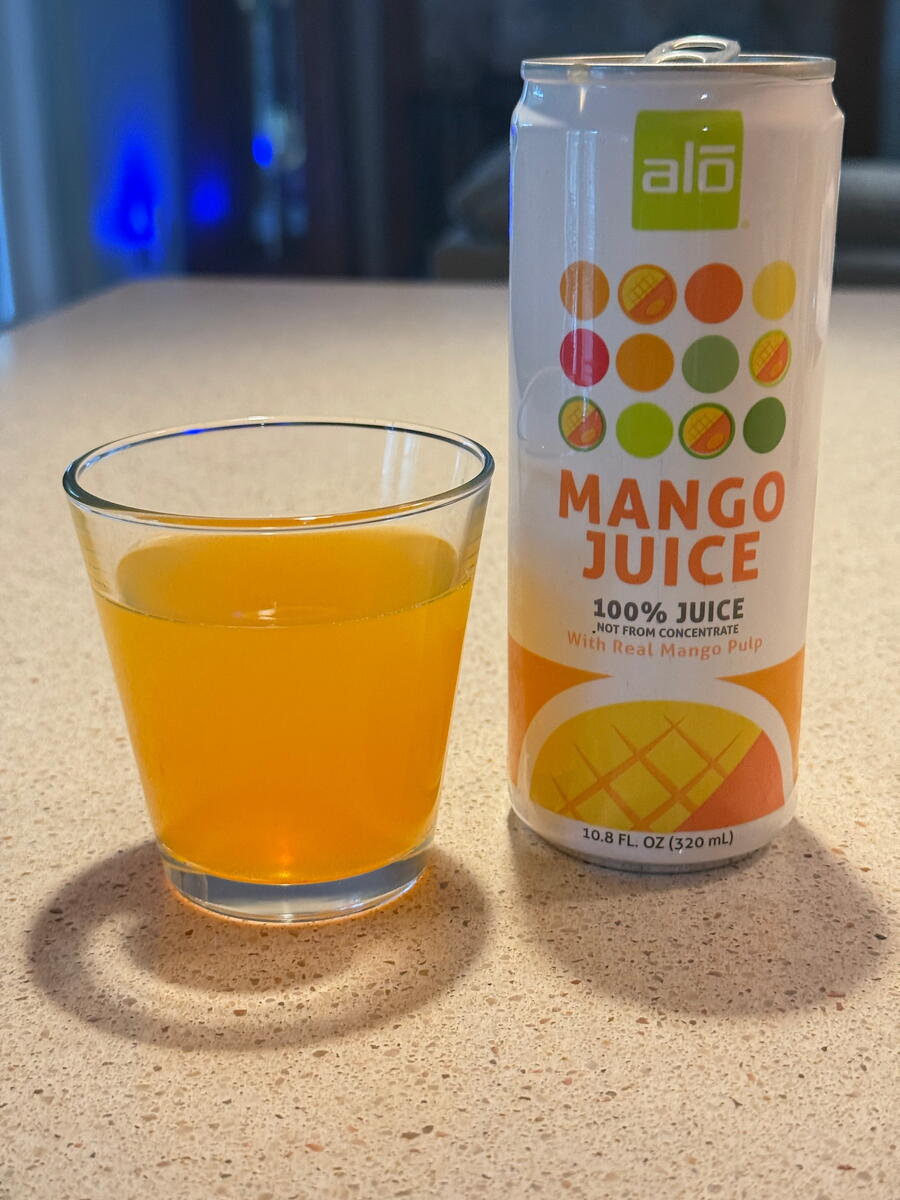
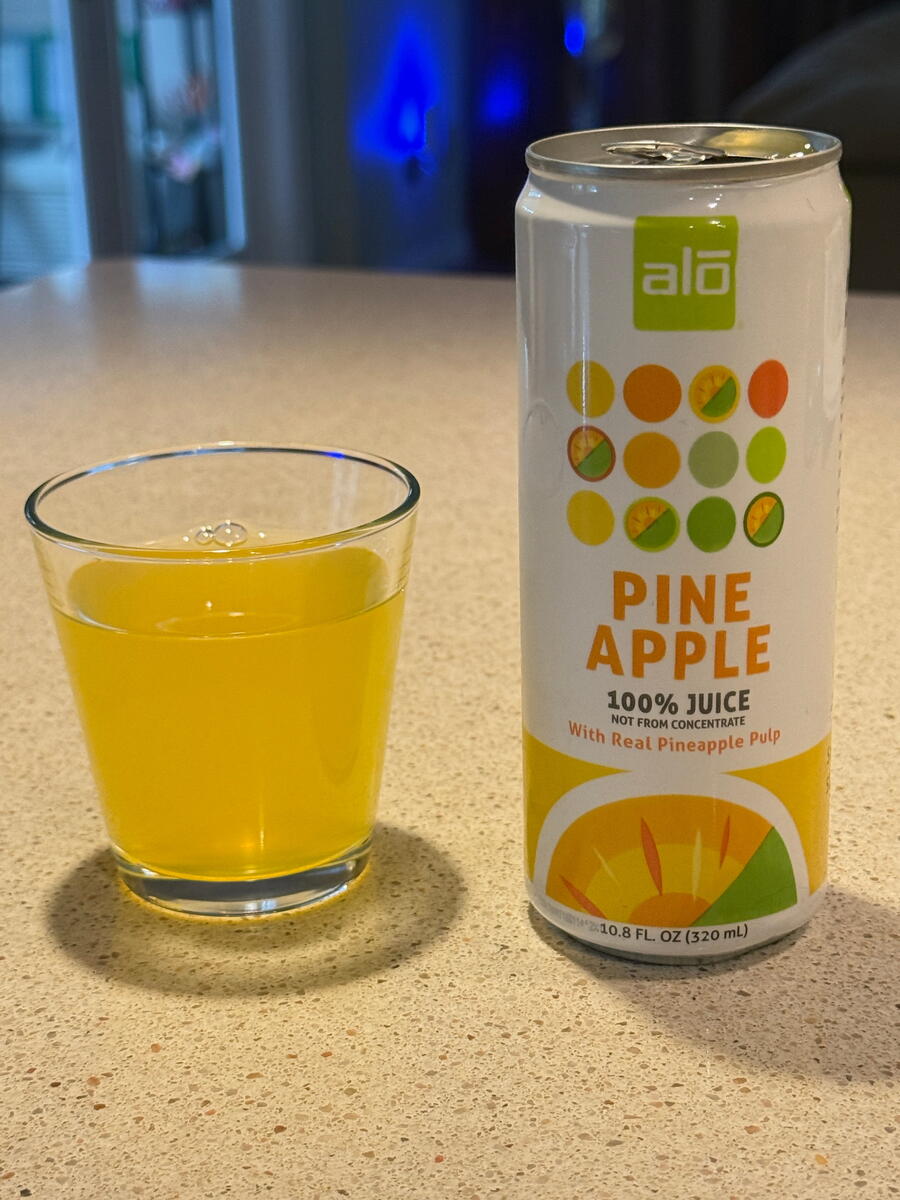
The juices sent to me include pineapple and mango, but the newest varieties include passion fruit, pulp, sugar cane and calamansi (a citrus, lemon-like fruit from the Philippines). Other flavors available are peach, watermelon (which also come in two pulp-free drinks) and lychee.
What makes ALO different
I first had aloe vera-based beverages in Japan, where it was almost as common as cold green tea in vending machines. At that point, drinking aloe vera sounded strange to me, since I had only known it in its gel form as a sunburn remedy or as an ingredient in moisturizing lotion. RAS would have aloe plants on our windowsill, and I never would have thought of it as a beverage ingredient. But it was refreshing and a nice alternative to plain water, especially during those sultry summer months during our visit. It also didn’t have the caffeine in the tea or the alcohol in beer (yes, Japanese vending machines have beer).
This characteristic of refreshment is what makes ALO better than simple juice drinks. Many of the juices sold in the U.S. have added sugar and often preservatives for flavor enhancement. They may make the drink more palatable, but I know most people wouldn’t like knowing they’re sipping more synthetic ingredients than is necessary. That’s what distinguishes ALO from its competition – 100% fruit juices and often pulp, with aloe vera juice added. You can be assured that you’re drinking something completely natural – especially in a world where that claim is often questionable.
How does it taste?
RAS and I tried the mango and pineapple juices, just as they are. What I appreciated about them was the clean, unadulterated flavor of the fruits, helped by the addition of the aloe vera liquid.
I am used to juices with added sugar or sweeteners. But ALO was different. I didn’t experience that mouthfeel or coating I often get with those drinks, and they were both refreshing – more so than even hydration beverages.
We also tried making a mocktail with them, using sparkling water and lemonade from our refrigerator. This makes ALO even more versatile and allows for creativity in the drinks, especially for those who are trying to minimize their alcohol consumption or don’t drink. Eventually, I would like to sample ALO’s other flavors and see how they compare to these I’ve tried. I would recommend them to you, particularly if you’d like a juice that’s not too sweet and makes a great non-alcoholic option.