For a formal industrial Midwestern city on Lake Michigan, Milwaukee shows glimpses of that past. That’s especially true with the ornate brick buildings, many of them made with the unique cream-colored calcium-magnesium brick that inspired one of its nicknames, Cream City (no, it doesn’t have anything to do with Wisconsin being America’s Dairyland). It’s also in the slightly rusted steel bridges, former breweries and repurposed structures, as well as its hardworking people, especially the mostly German immigrant heritage.
I have only been to one other Great Lakes city, Chicago, which is just 90 minutes to the south and maintains a frenemy relationship with its lakeshore mate. But I can see that Milwaukee is nearly like Chicago, just about one-sixth the size and much more easy-going. I like that the city embraces its past, especially as the country's major beer-producing area. That was part of what I did for my tour days. One was part of the conference, called Explore Milwaukee, and the other was a one-day media trip with the IFWTWA conference at the Potawatomi Casino and Hotel.
During these activities, I visited four craft breweries (one of which is more popular for its soda), a sausage maker, a cheese shop, a German beer hall, a German restaurant, and the Pabst family’s mansions.
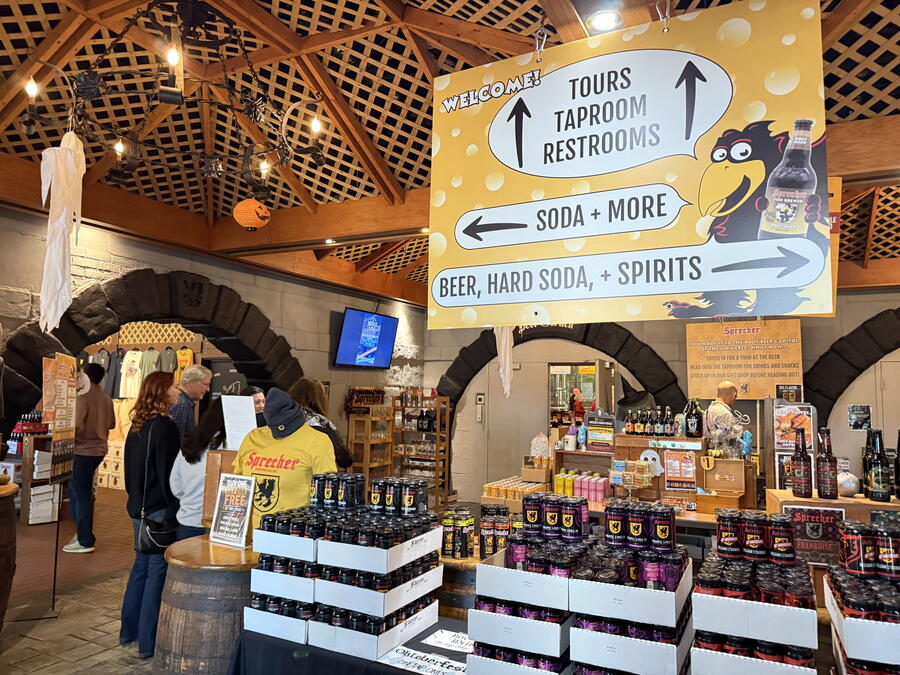
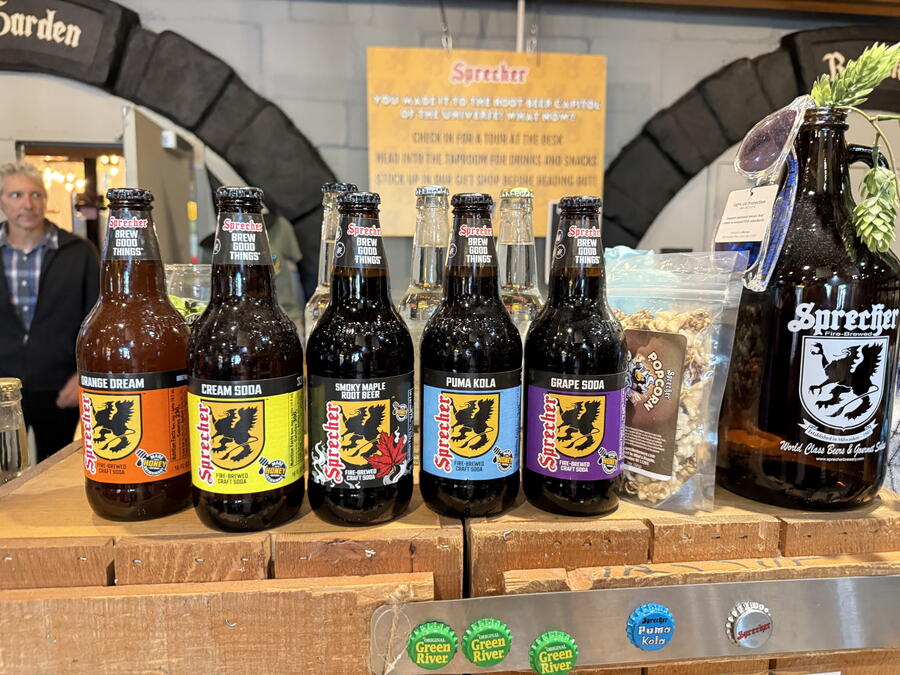
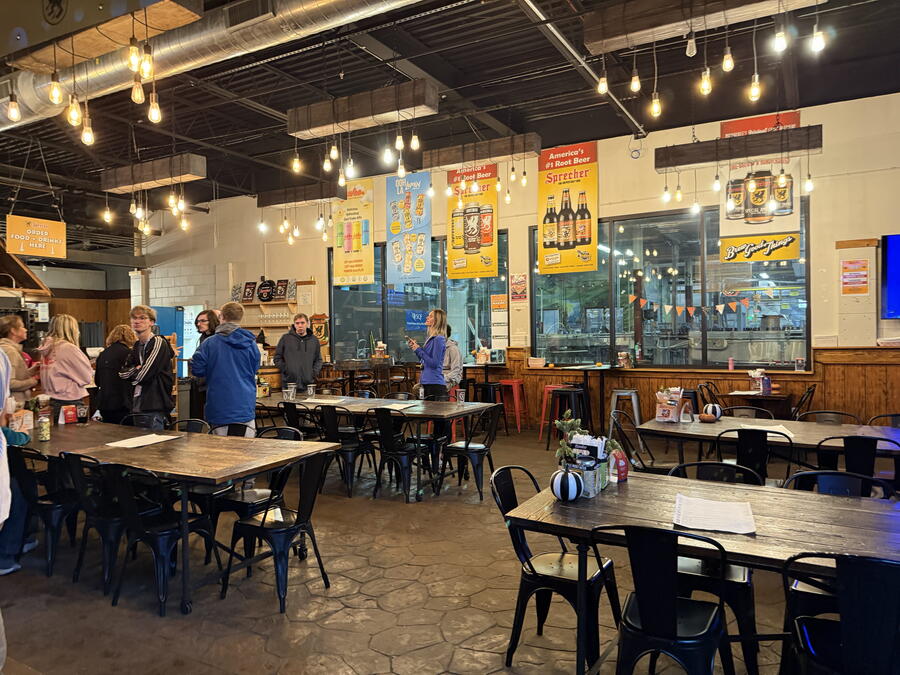
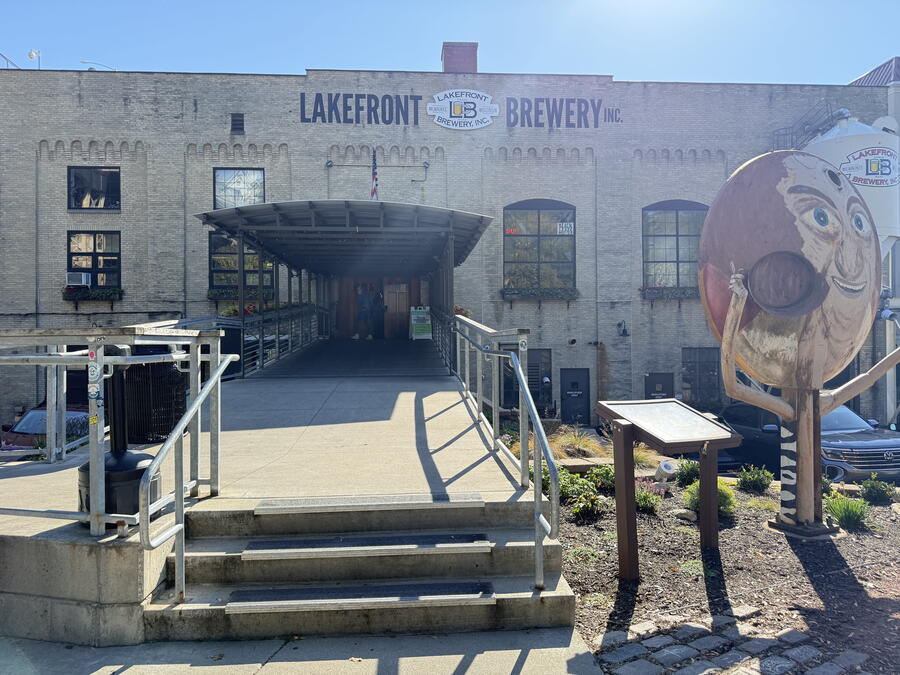
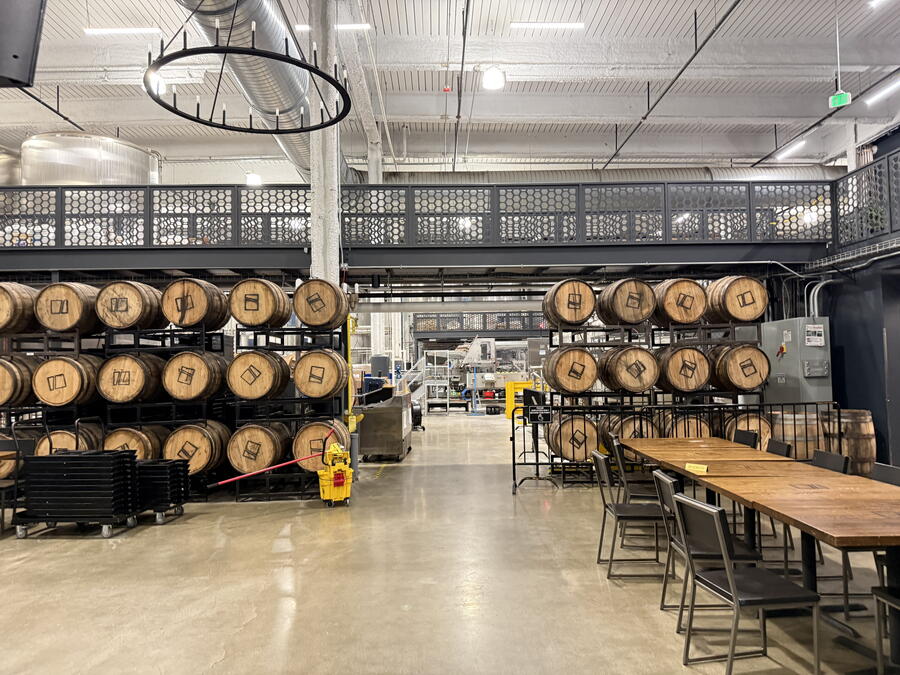
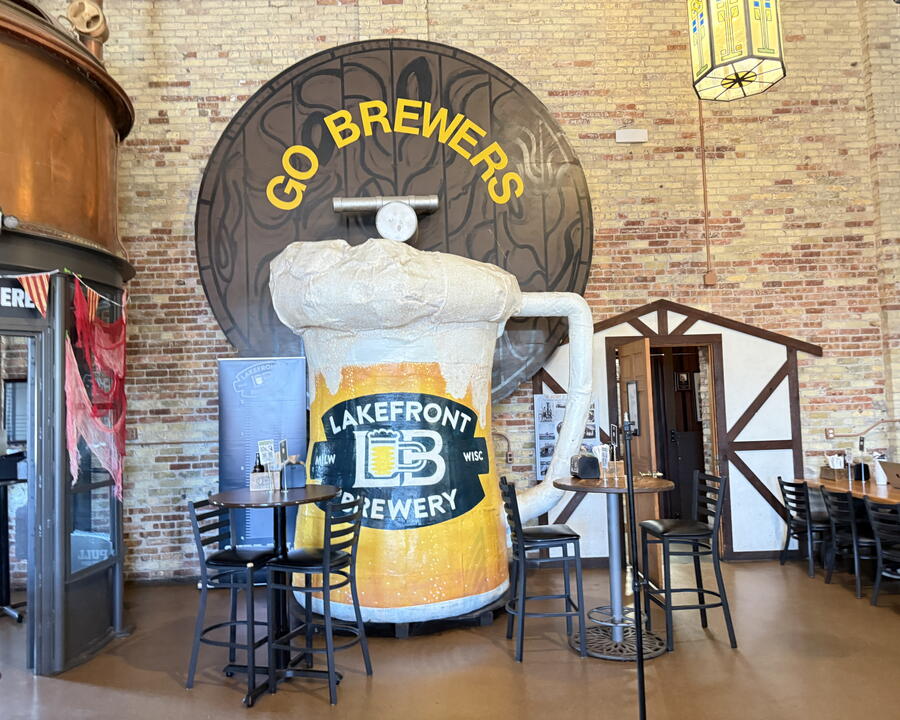
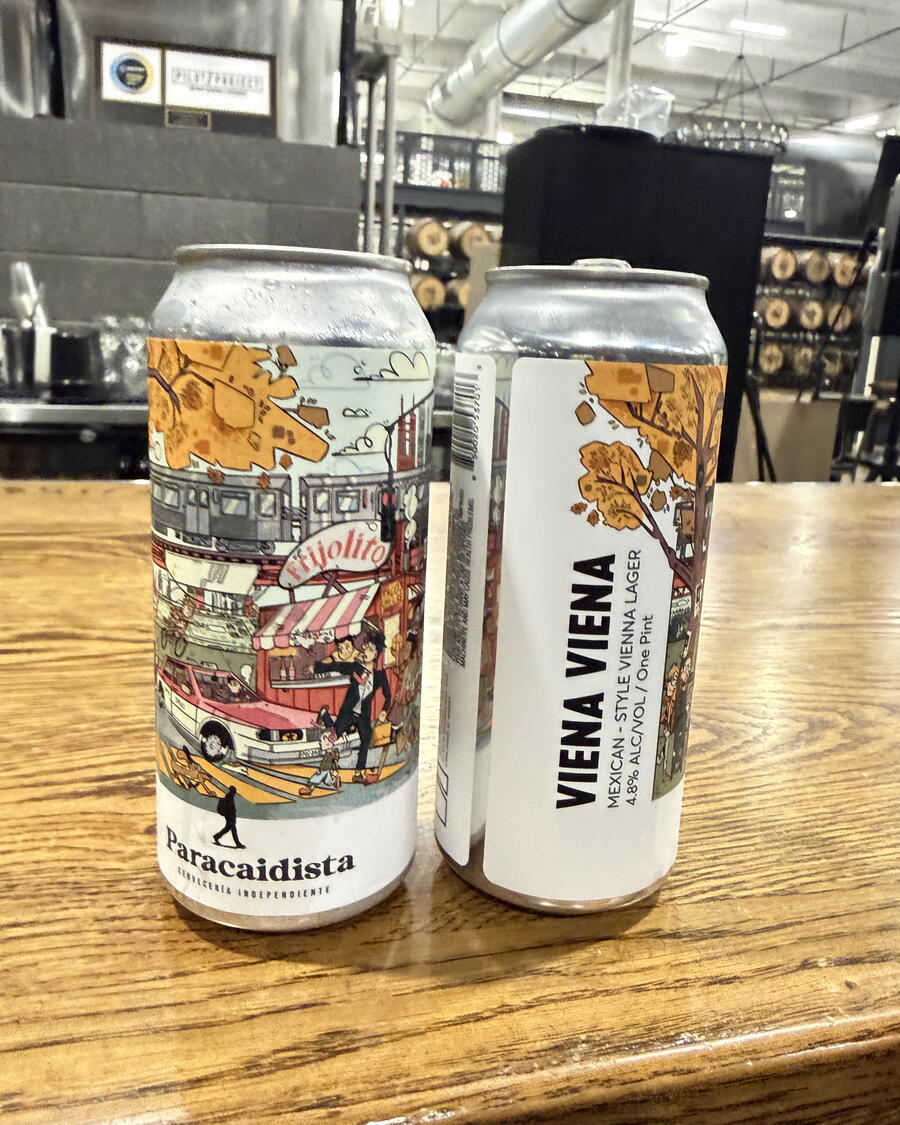
Specher’s/Lakefront Brewery/Pilot Project
You can’t talk about Milwaukee’s history without mentioning its brewing past. Mostly because of its influx of German immigrants, beer became an industry that grew to massive proportions and made its four major brewers – Pabst, Miller, Schlitz and Blatz – synonymous with the city. But like other places, craft breweries currently dominate the scene, and these were solid representatives.
Perhaps more well-known in the Midwest for its sodas than for the beers it originally created, Sprecher’s makes permanent flavors as well as seasonal varieties. By far, its most popular is root beer, and it’s superb with just enough spice and syrup to make it irresistible. There are also two tasty variations – smoky maple and toasted marshmallow. Other standouts were cream soda, orange dream and honey crisp apple. The beers I tried were also solid.
The two craft breweries we visited also served us food. Lakefront, housed in a large warehouse, organized a pairing with lager, ale and stout brews and iconic local foods like fried cheese curds, grilled bratwurst and fried cod. There’s also the baseball mascot Bernie Brewer’s original chalet from the old Brewers’ ballpark. The Pilot Project is a unique facility where amateur brewers from around the world can bring their creations and mass-produce them. The adjacent restaurant serves some of these as well as some fantastic food, like the juice Chicago-style Italian beef I had for dinner.
Usinger’s/Wisconsin Cheese Mart/Old German Beer Hall/Mader’s
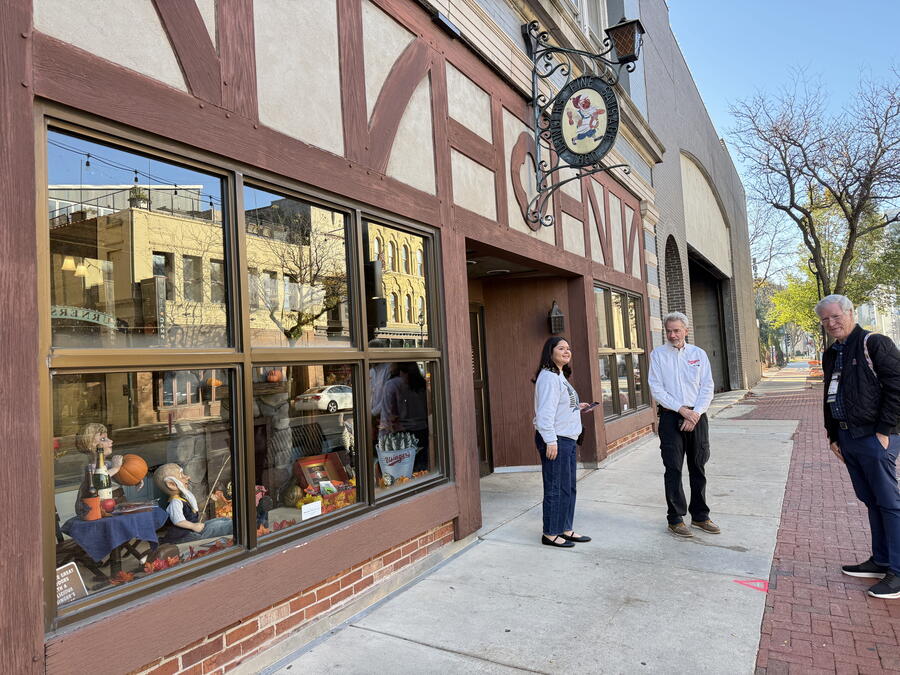
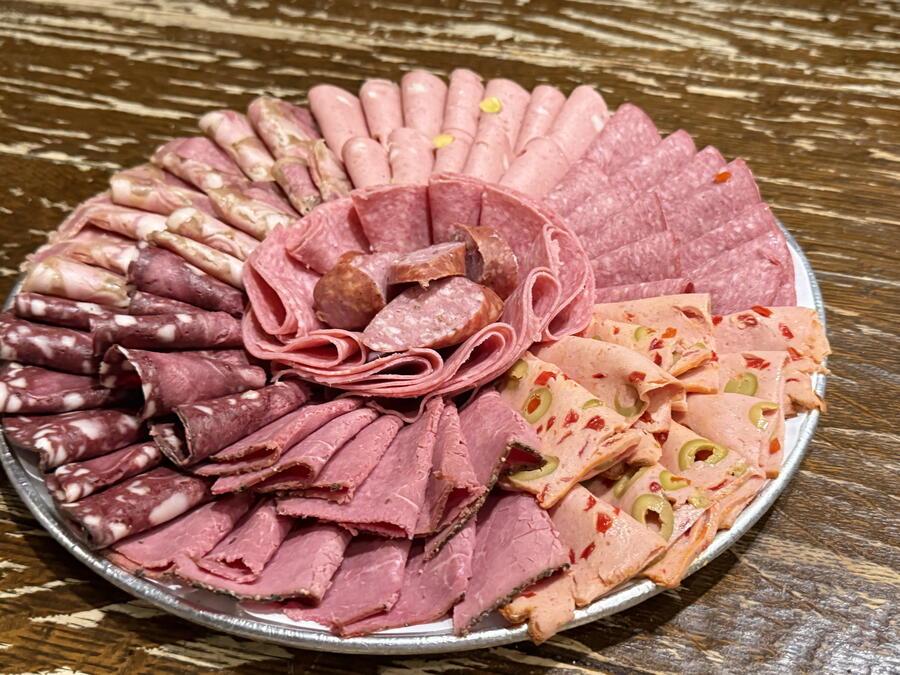
One of the most interesting aspects about Milwaukee is how German immigration shaped the city it is today. Breweries are one of those stories, but food is another. I spent a good deal of time in the Old World Third Street (aka MLK Drive) during two tours in one day, starting at the sausage makers, Usinger’s.
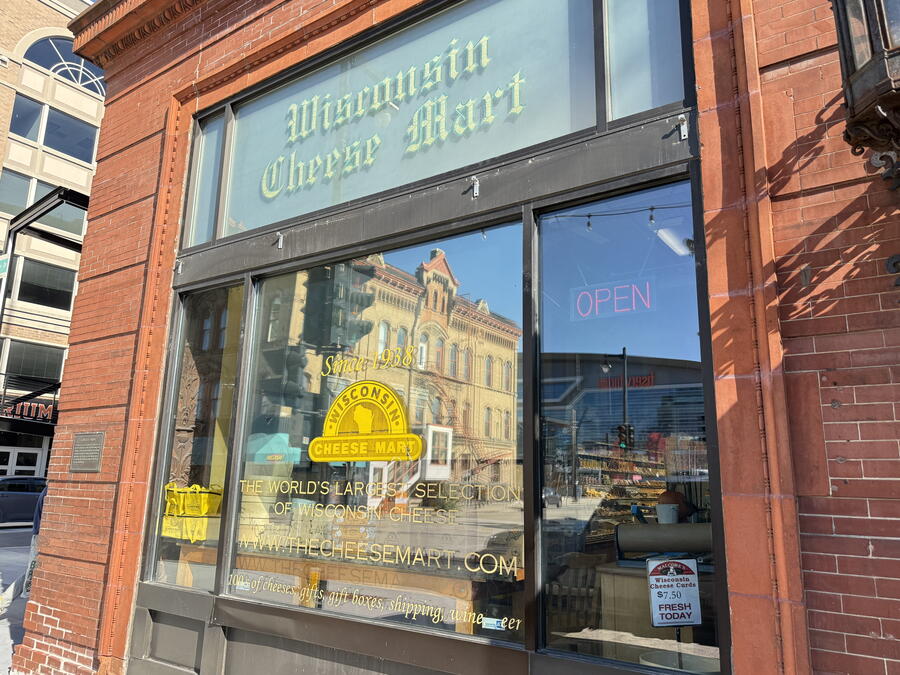
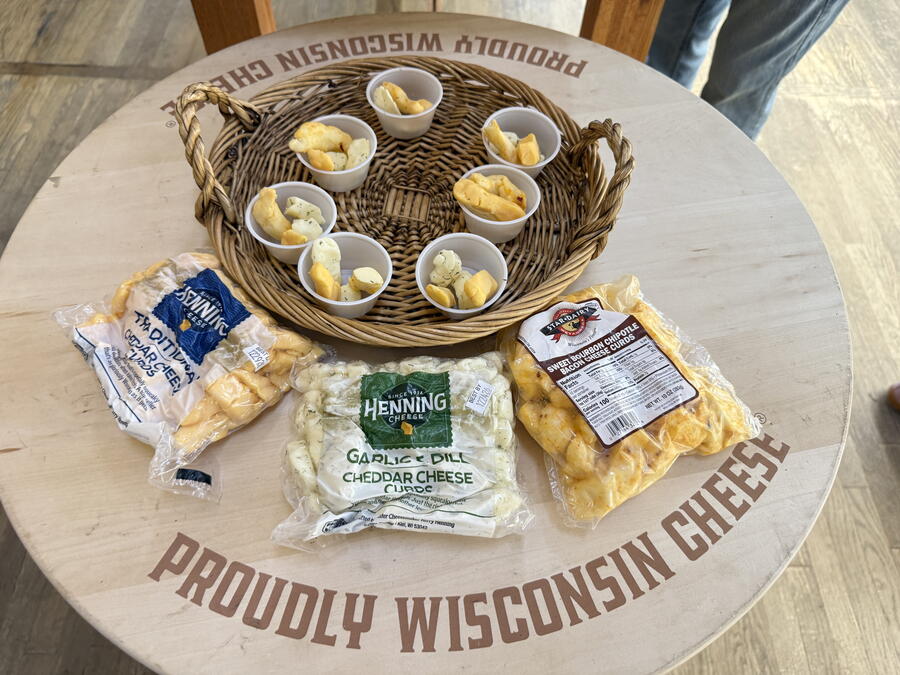
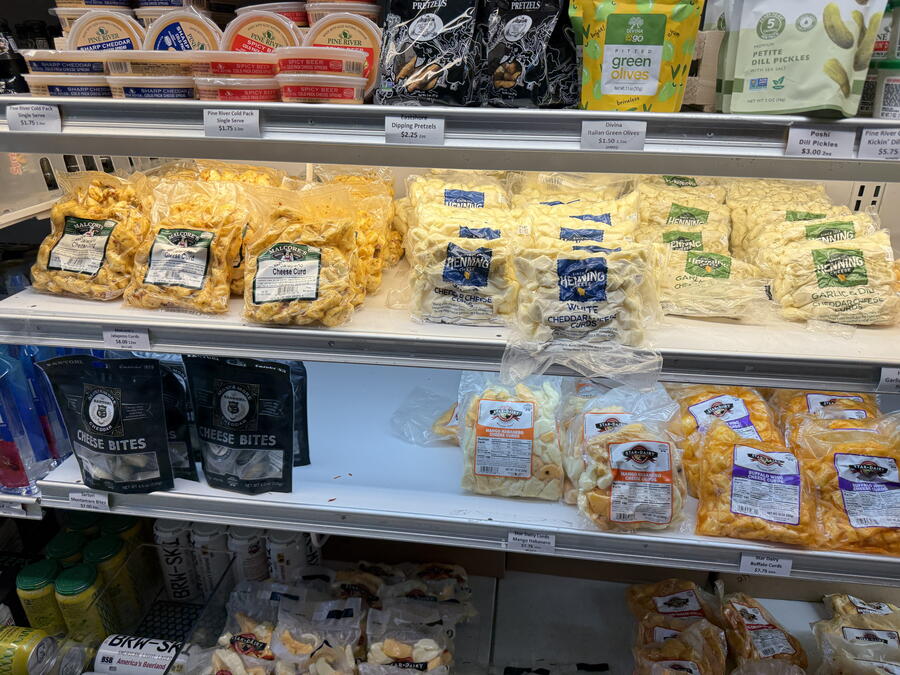
By being around for nearly 180 years and providing quality foods, they have become a local institution for bratwurst, cold cuts and other meat products. Company president Fritz Usinger, part of the fourth generation of the family-run business, guided us through the tasting and provided a bit of background on each item. Down the street, Wisconsin Cheese Mart has “only” been around for 90 years, but it has provided Milwaukee residents with excellent cheeses from around the state, especially nearly twenty different kinds of the most popular product: cheese curds. You can also buy a cheesehead hat.
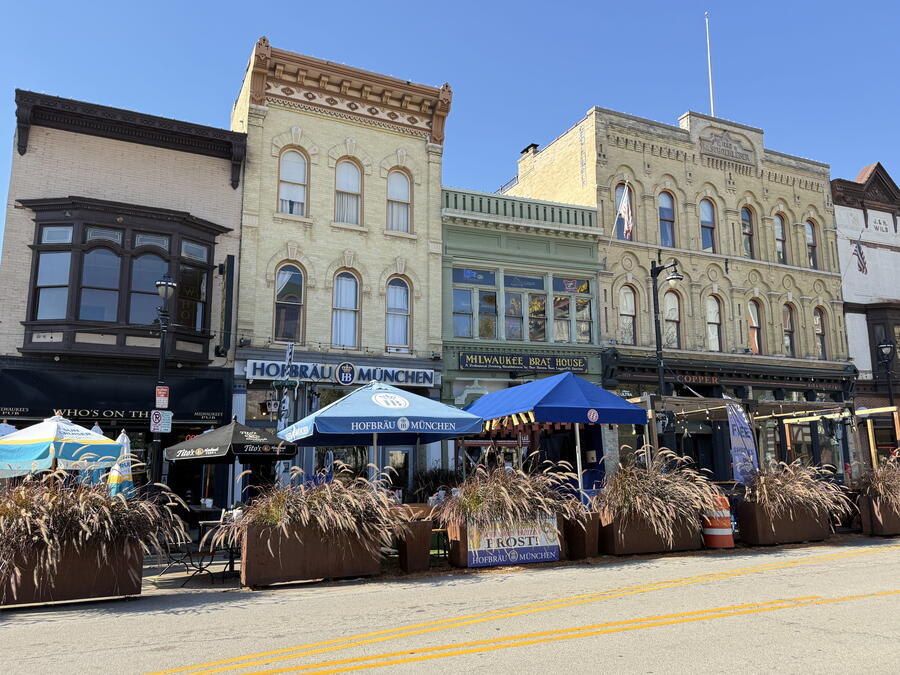
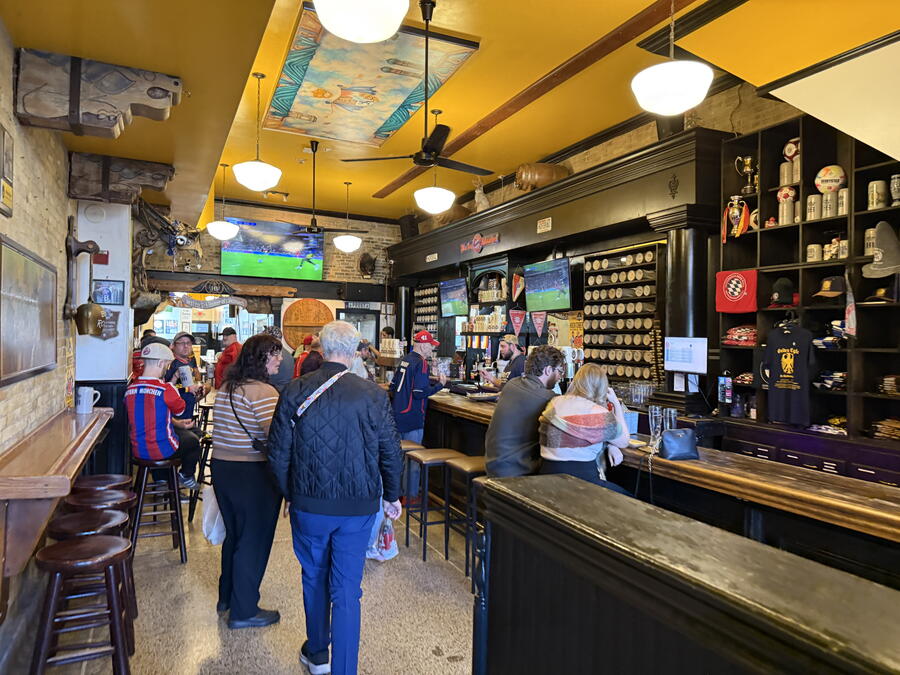
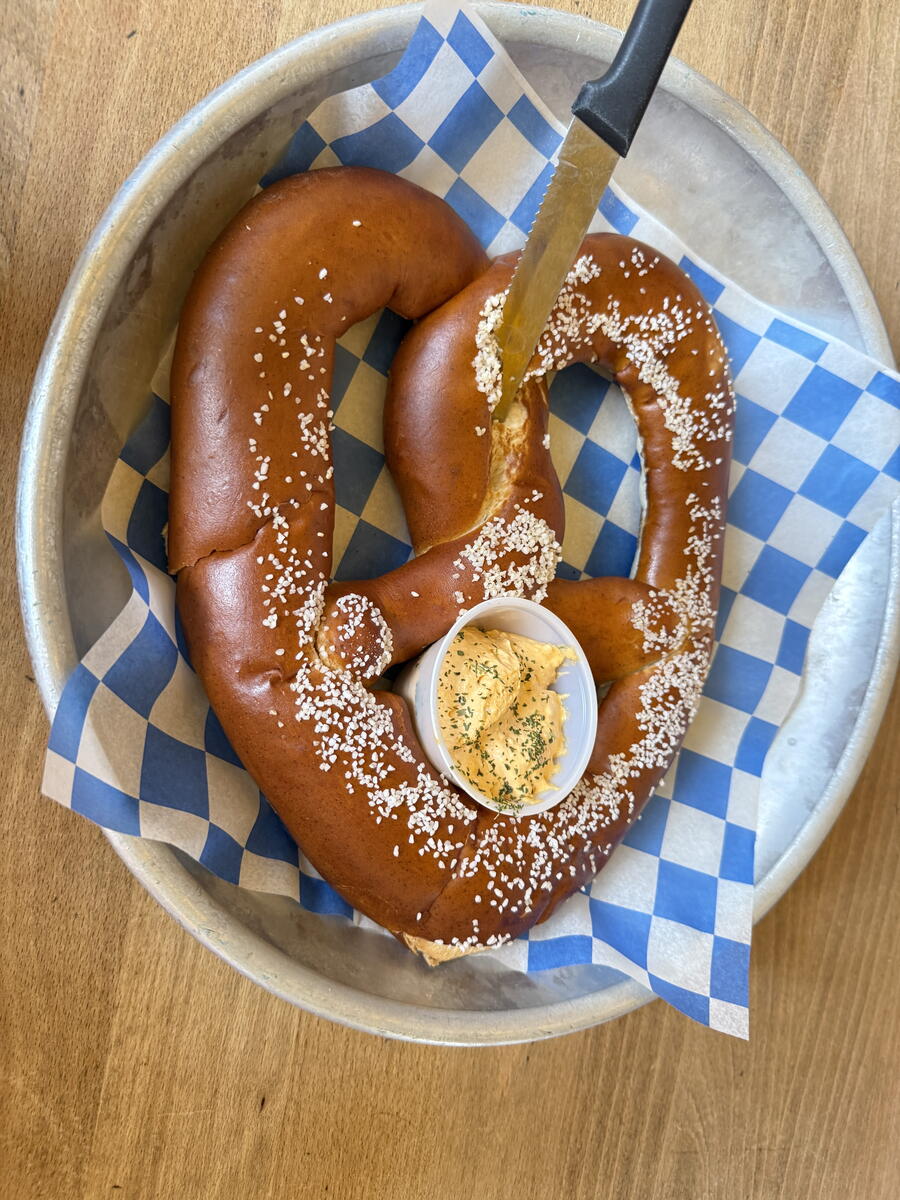
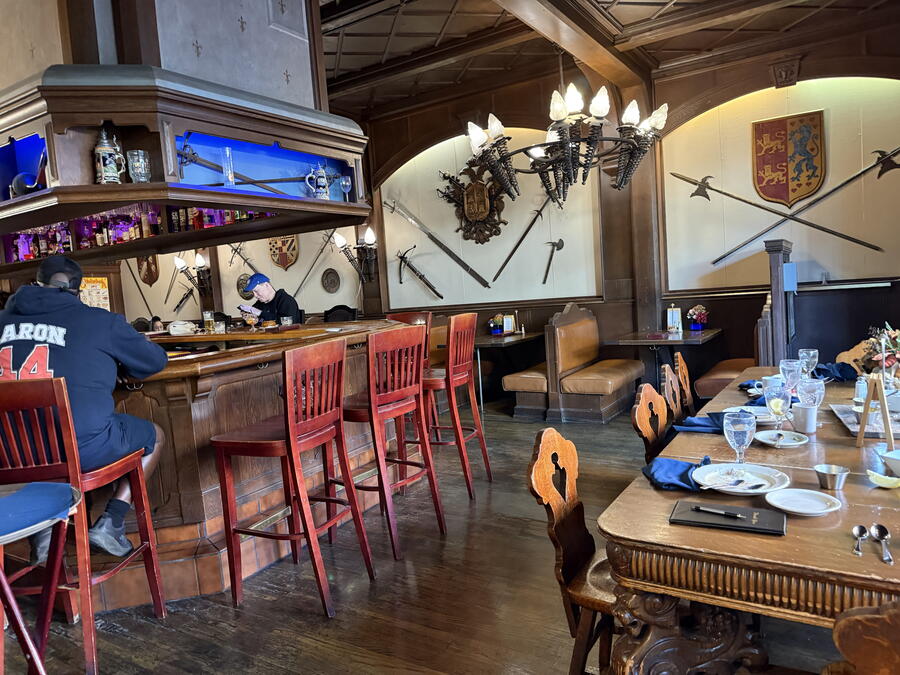
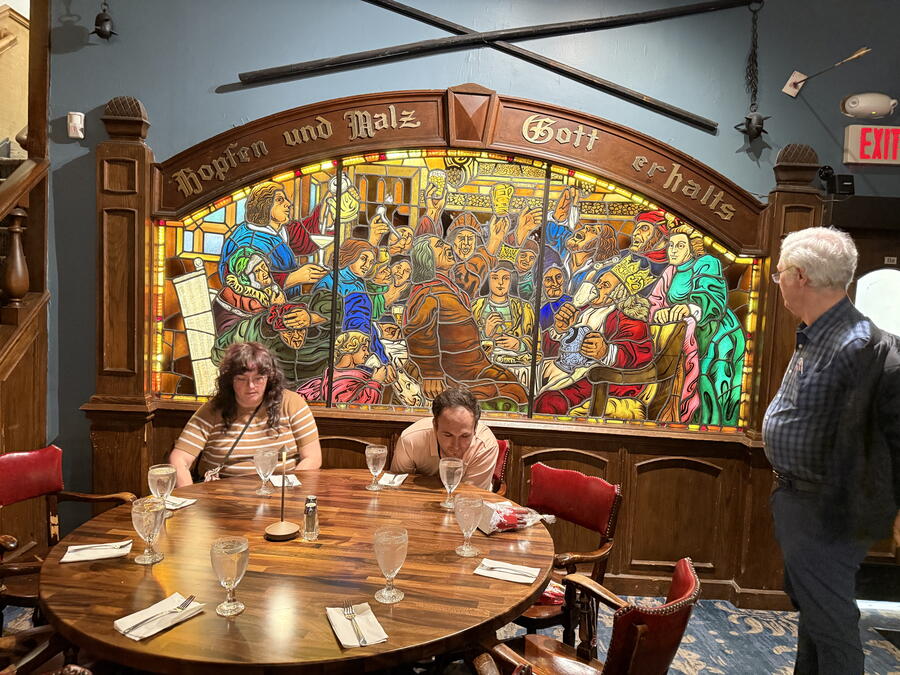
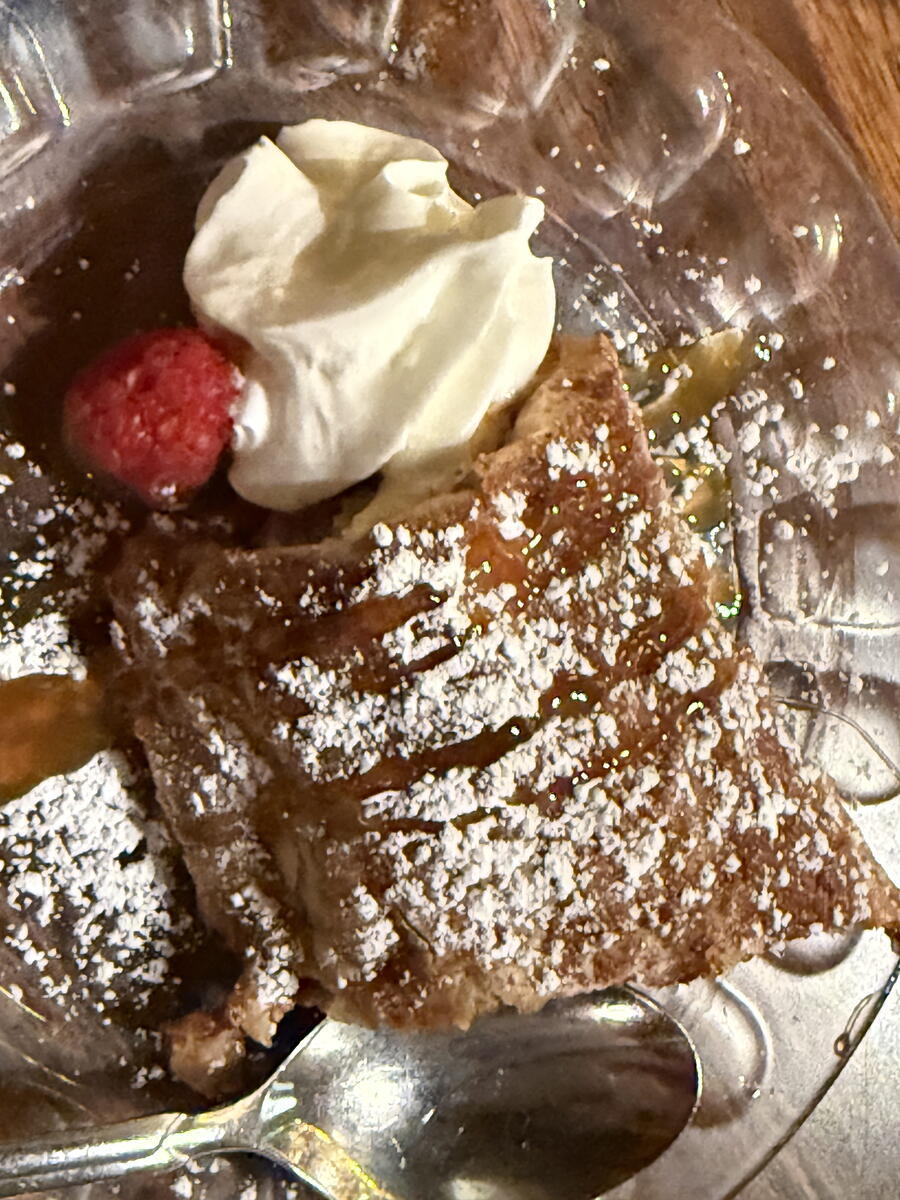
Across the street were two places characteristic of the Milwaukee food experience. The Old German Beer Hall is based on the famous Hofbräuhaus in Munich. When we visited, a dozen fans were watching a Bayern football match at midday, which lent the place a celebratory air. Here we enjoyed a pint of beer and shared giant pretzels with beer cheese sauce and hearty mustard. At Mader’s, one of the city's most venerated German restaurants, celebrities and U.S. Presidents have dined. We only had their apple strudel, a fruity, spicy mix encased in crispy pastry and topped with whipped cream. It was a perfect end to our food-centered tour.
Pabst Mansion/Best Place
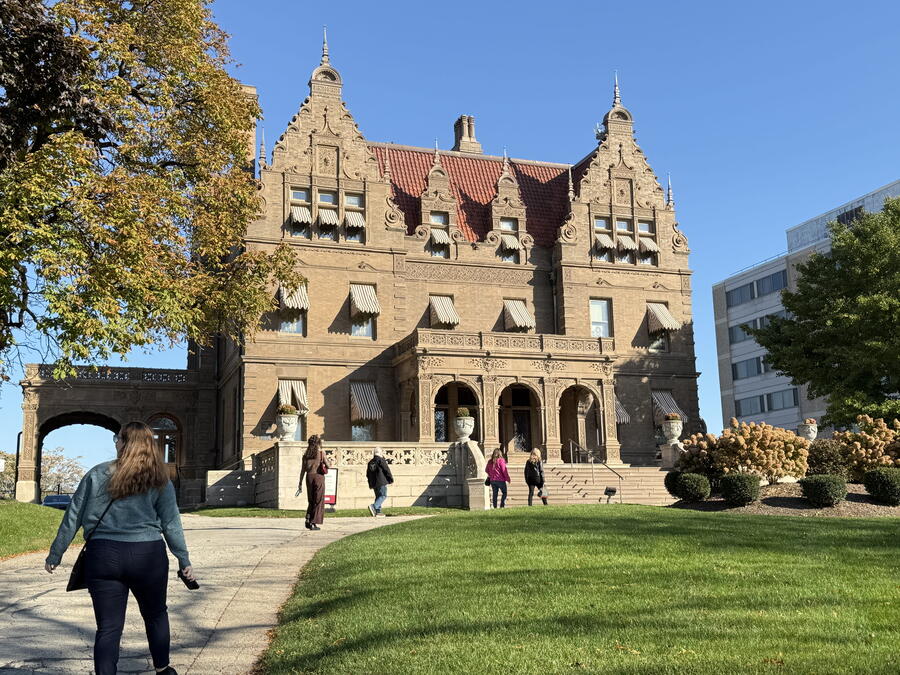
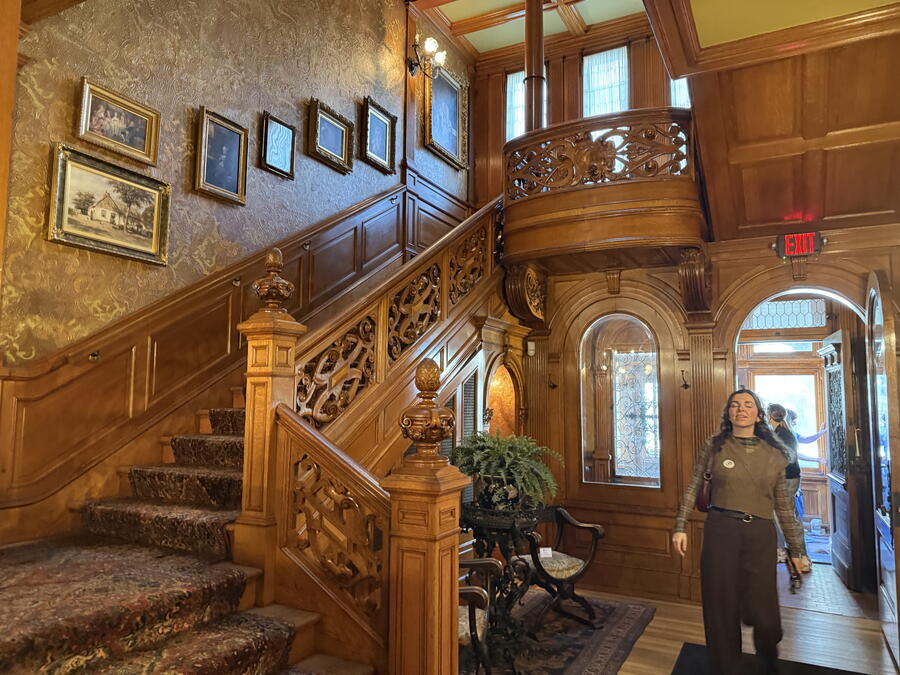
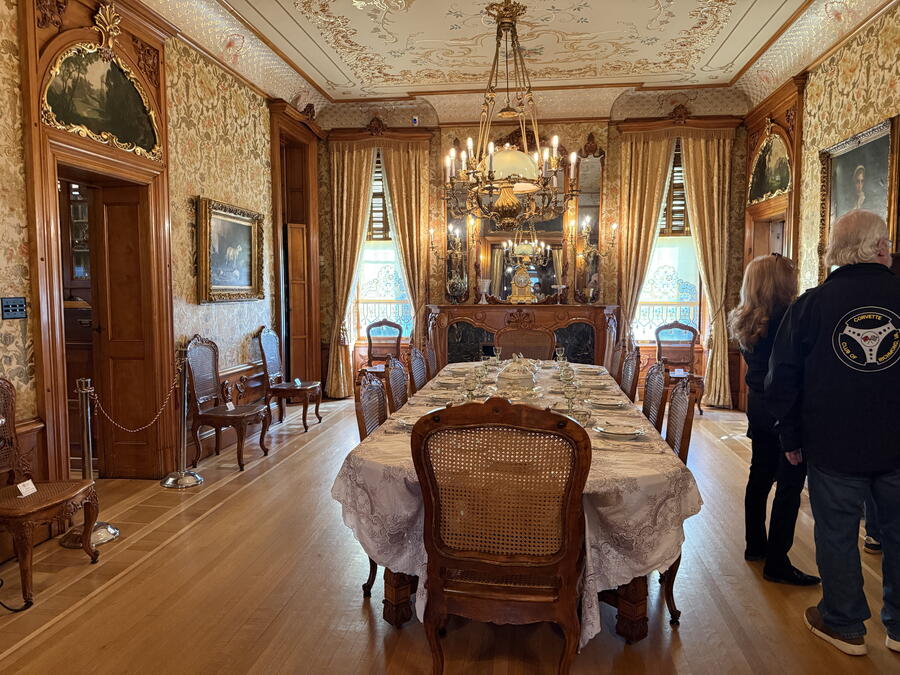
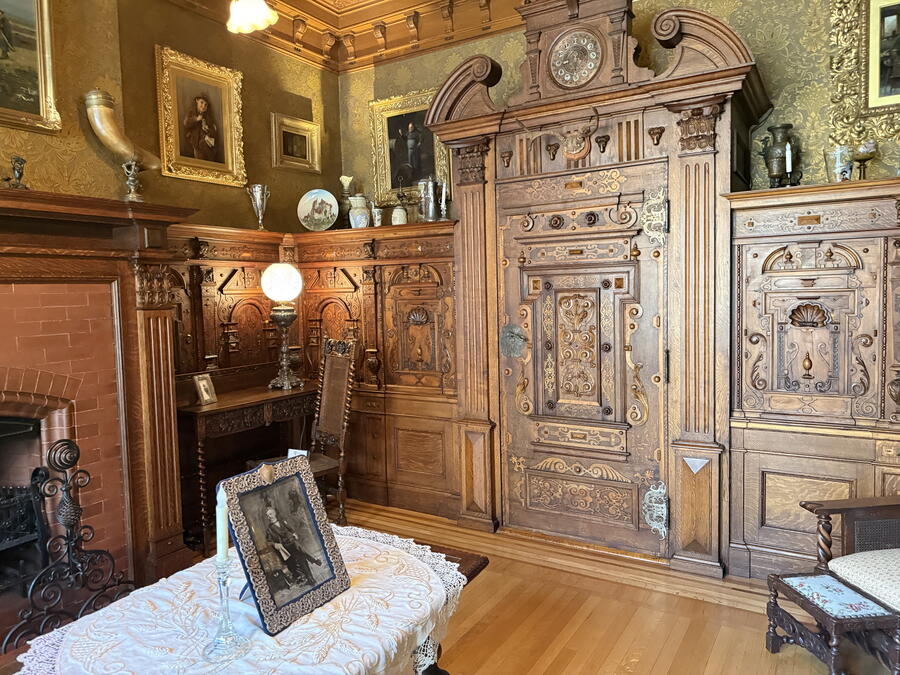
One thing we repeatedly learned about Milwaukee is that it wouldn’t be the place it is today if it weren’t for the growth of its four major breweries – Schlitz, Miller, Blatz and Pabst. Of all of these, the Pabst family arguably had the most impact on the city itself, with the largest-scale facilities for brewing beer. German immigrant Frederick Pabst married Maria Best, whose grandfather Jacob founded and whose father, Phillip, assumed. Eventually, Pabst and his brother-in-law, Emil Schandein, took over the business and developed the gigantic brewery that produced Pabst Blue Ribbon beer.
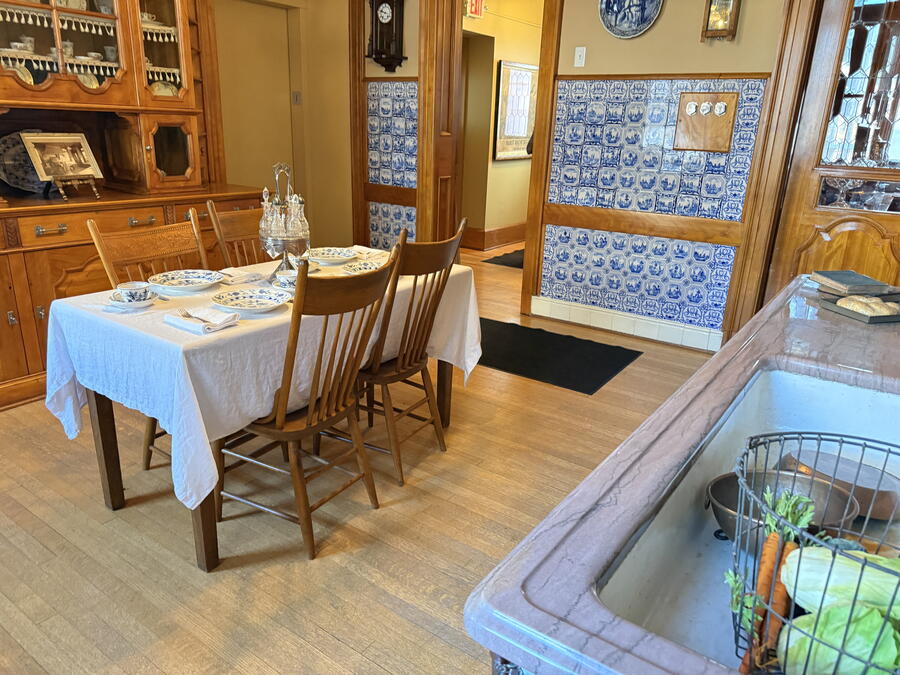
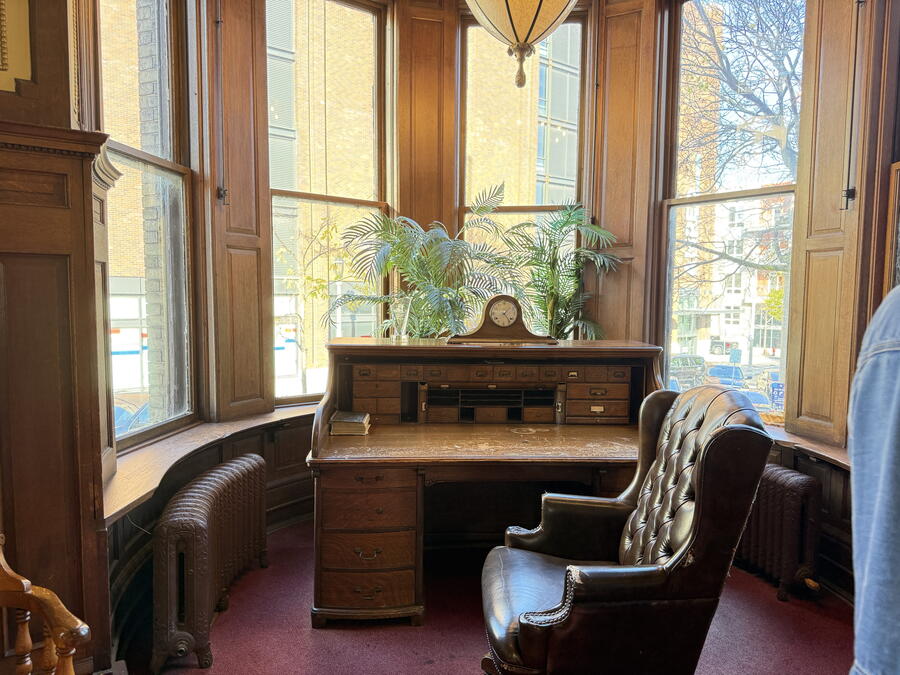
The mansion that the Pabst family built was west of the city and the brewery. Frederick and Maria had ten children, but five of them passed away before adulthood. The home, while elaborate and designed in a Gilded Age style, had a warmth most wouldn’t expect from an industrial titan. With 37 rooms and three stories, it included innovations not common in most wealthy homes at the time, like an elevator and a refrigerator. Another unique feature of the home: Pabst also etched words to live by in his office and in the will to his surviving children, and a copy is on the desk.
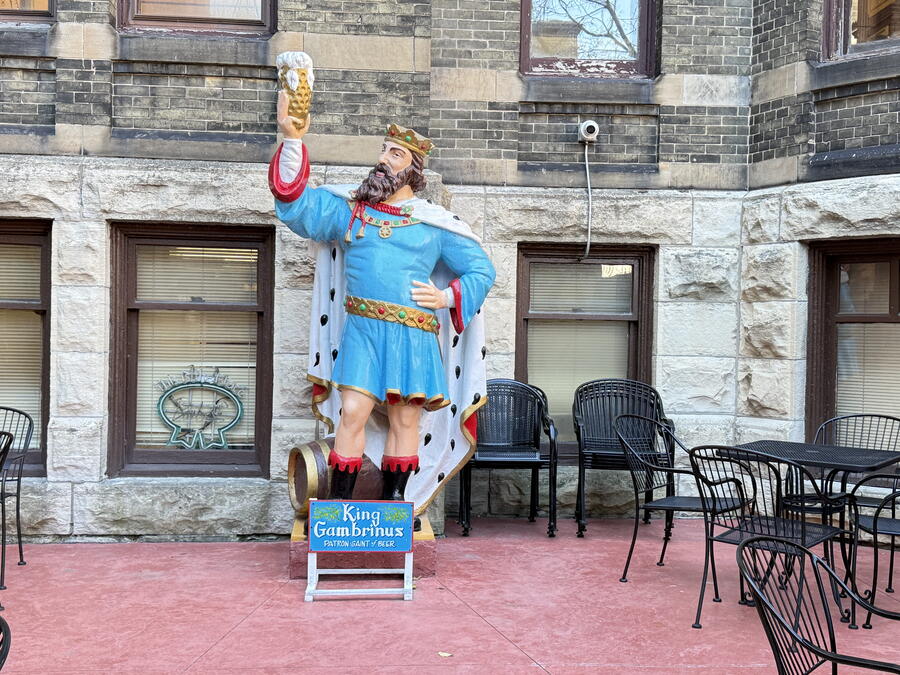
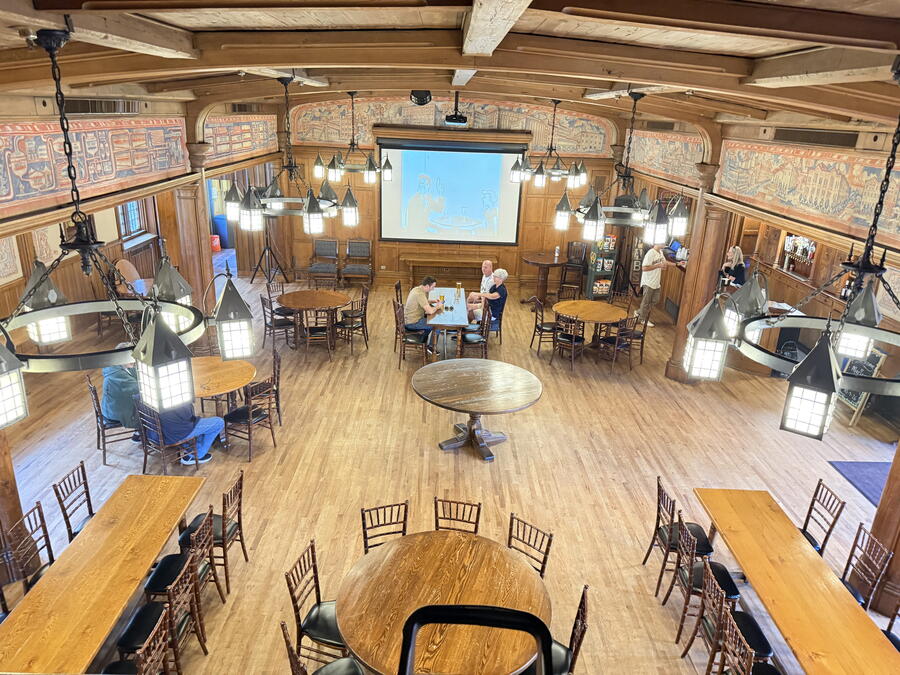
Best Place was the original brewery, but when Pabst and Schandein took it over, they made it the corporate headquarters for their own business. The castle-like structure was part of a much larger complex that spanned several city blocks, and today you can see the “Pabst” sign that signified this massive space. Today, Best Place is primarily an event center, but it also has a coffee house, beer hall and gift shop.