Most people associate Pennsylvania with Pittsburgh in the west and Philadelphia in the east, even though it's overwhelmingly rural. I had essentially never been here before – I don’t honestly count the quick pass-through in Philly to see Independence Hall decades ago, or the train trip we took on the eastern side just about ten years ago. But there is so much to see in this commonwealth.
The main thing I noticed as I drove from Pittsburgh into the three-county area called the Laurel Highlands was the greenery. Rolling foliage-covered hills and blink-or-you-miss-them townships and villages cover the landscape, with compact nineteenth century farmhouses that I normally never see here. Even the larger towns have an old-fashioned charm that wouldn’t be out of place in a Hallmark movie. In fact, the first place I stopped was one of the network’s top Christmas towns in the country.
With its mountainous, rural geography, the Laurel Highlands is one of the primary outdoor recreational areas not just in Pennsylvania but in the Northeast. Most visitors come from the other Mid-Atlantic states and enjoy hiking, camping, rafting, kayaking and skiing/snowshoeing. Many people – like me – didn’t know about this region before, but I am glad that I experienced some of the best places it had to offer. Here are a few reasons why you should consider coming here, too.


Ligonier/Forbes State Forest
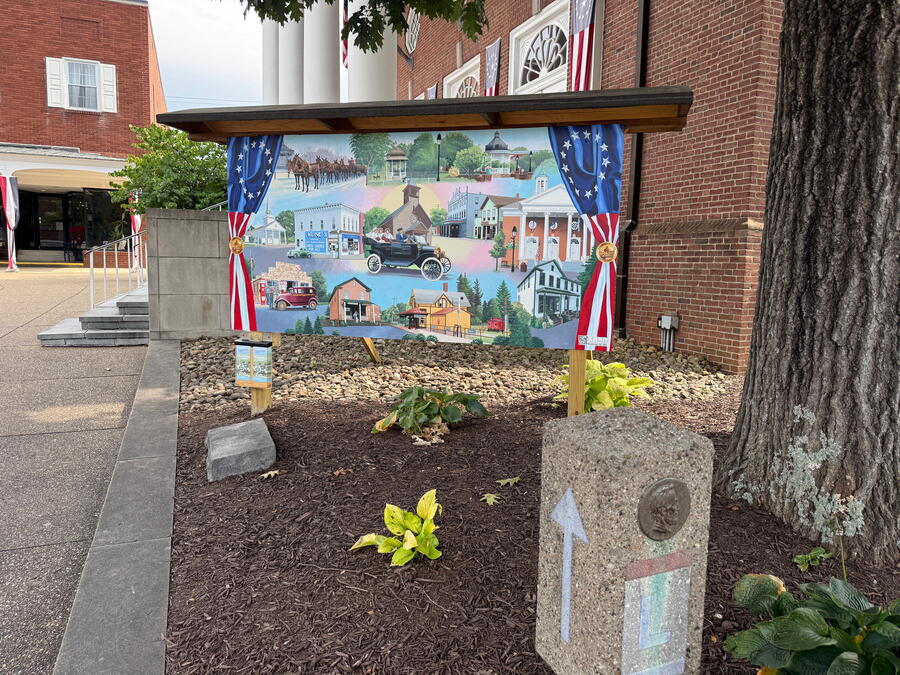
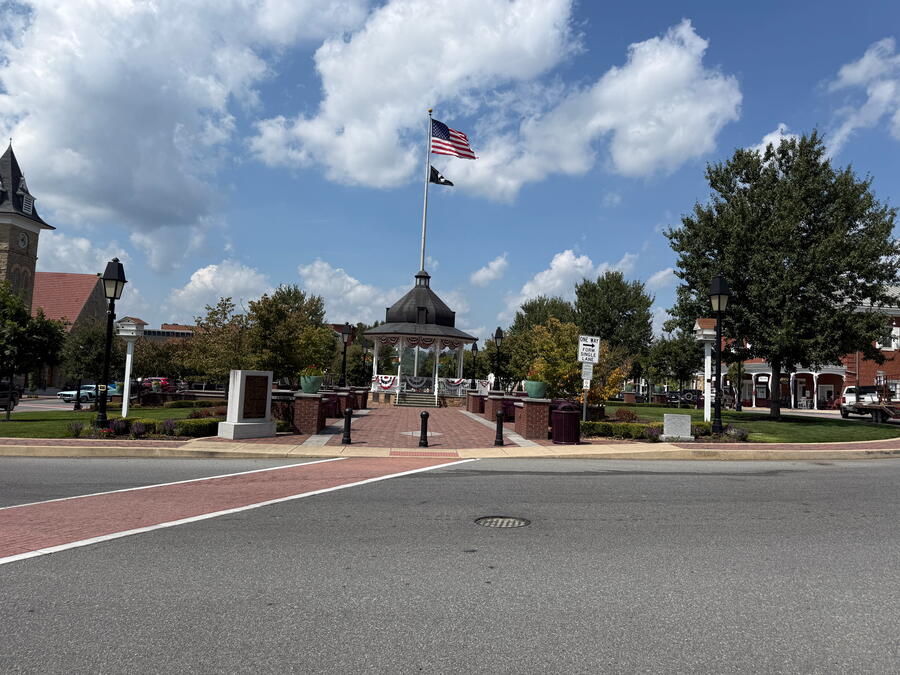
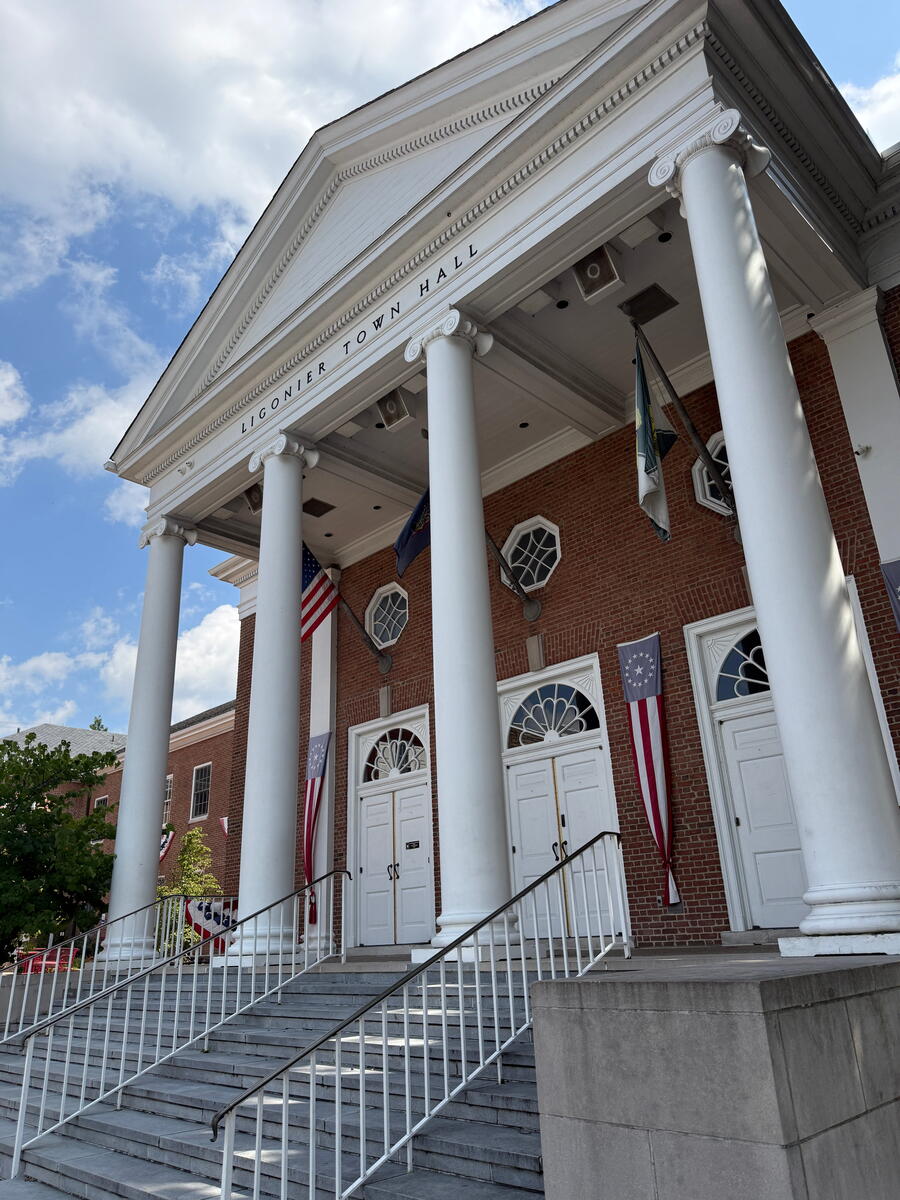
I first stopped here, in a historic town of a few thousand residents known for its colonial fort, its stop along the Lincoln Highway, and its Christmas decorations and festivities. When I imagine a town that’s straight from a Hallmark movie, this place would probably come to mind. The town center features a small park with brick paver walkways and a white gazebo with an adjacent flagpole.
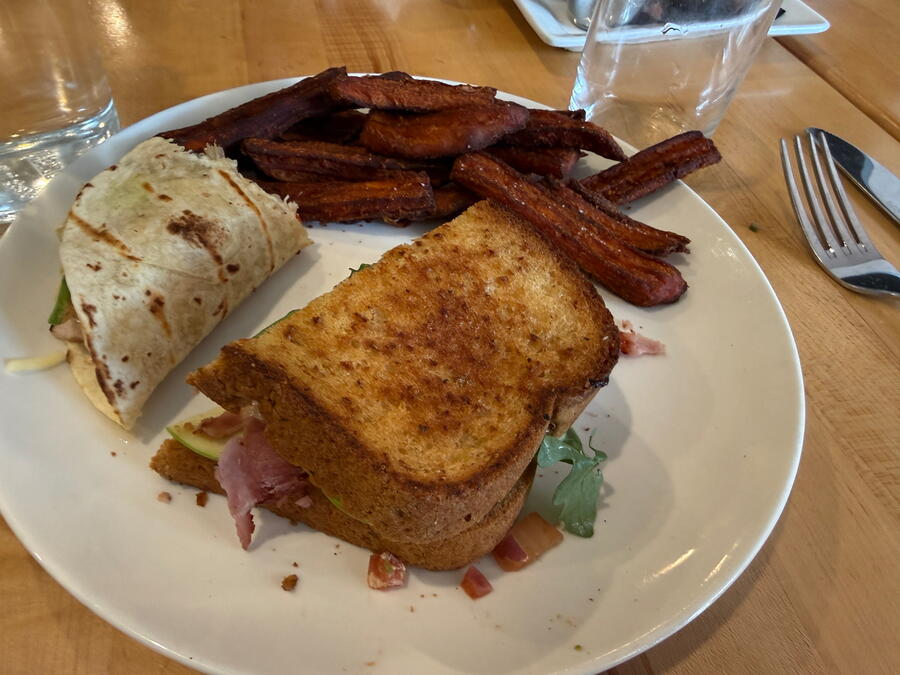
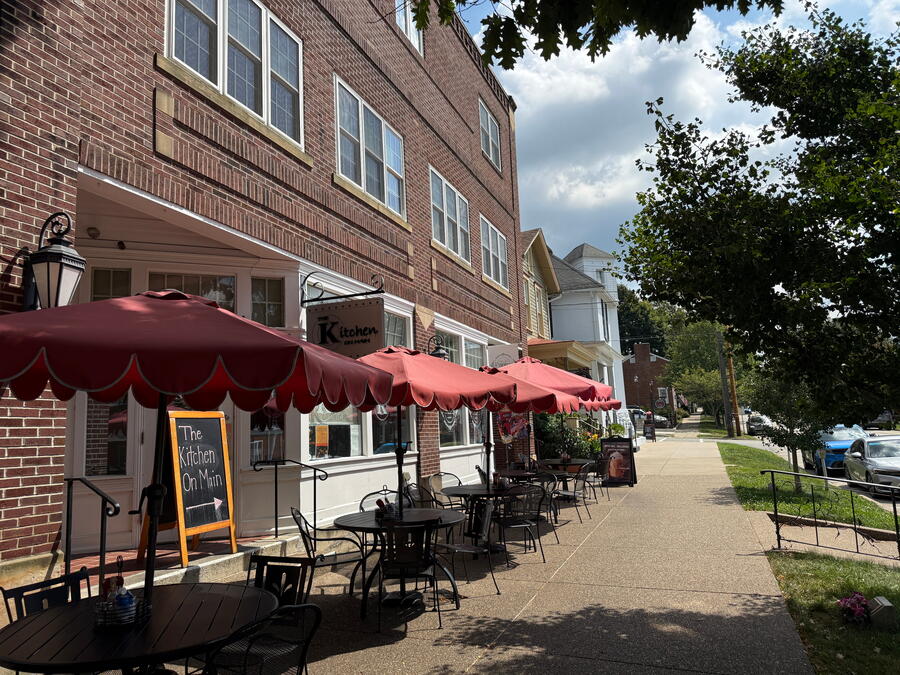
The town has no chain businesses, which I appreciate. Instead, independently owned stores and restaurants like the Main Exhibit Gallery feature art classes and display works from local artists, offered by owners Mandy and Paul Sirofchuck. For lunch, I stopped at the Kitchen on Main, a wonderfully cozy coffee bar and restaurant where I enjoyed a ham, brie and arugula sandwich and shared a tuna taco with my host Eric, from the Laurel Highlands tourism bureau.
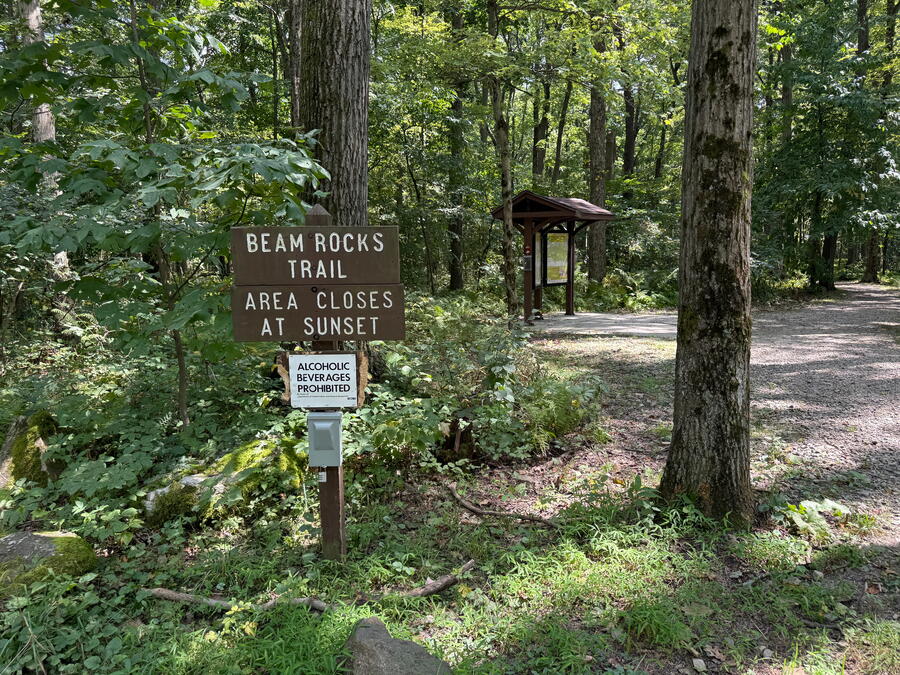
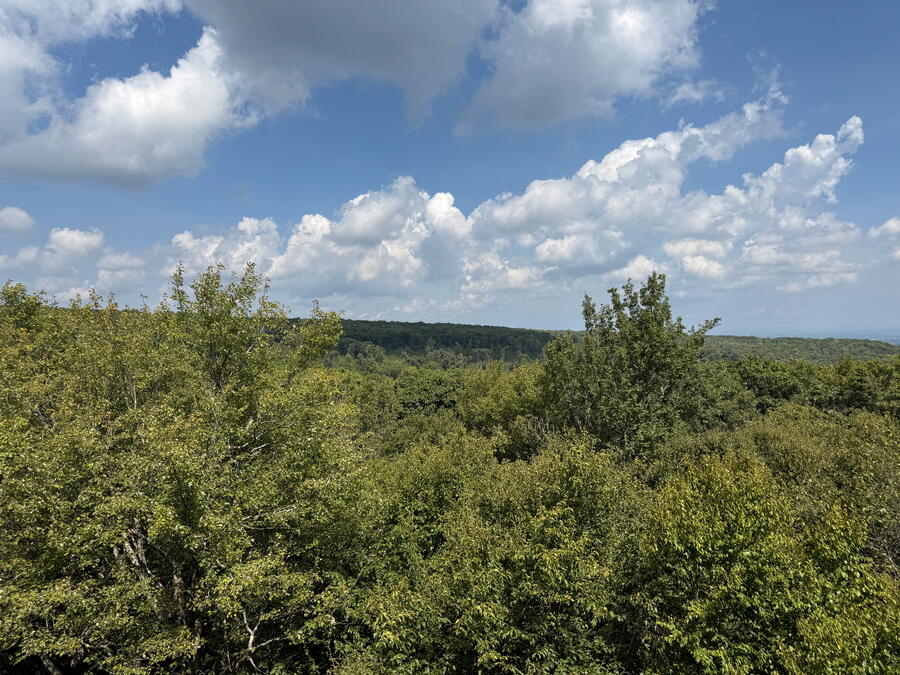
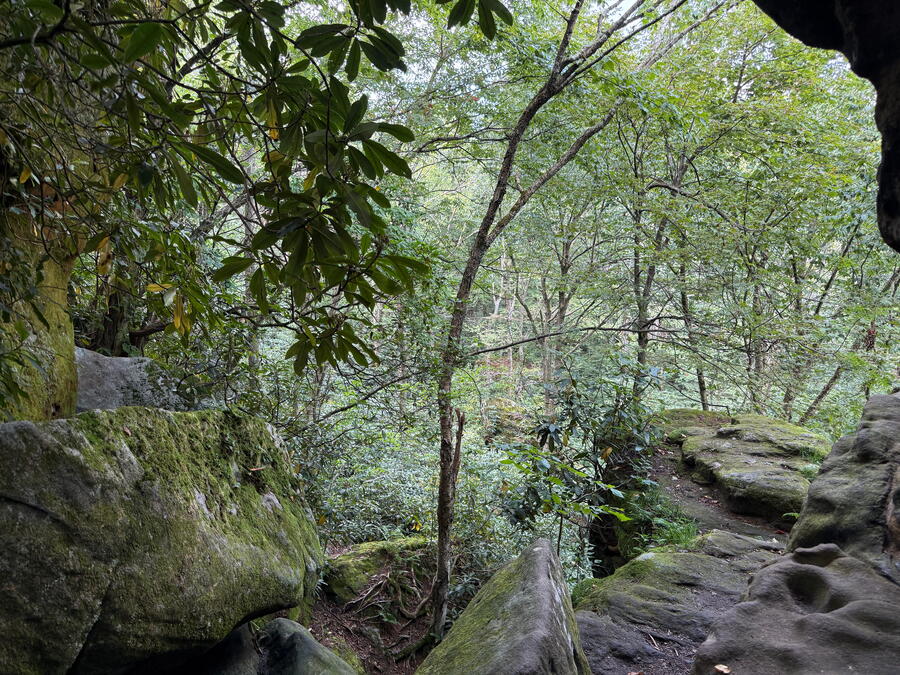
We later drove to Forbes State Forest, a 50,000-acre area that has the commonwealth’s highest point, Mt. Davis, and over 300 miles of trails. It took about 20 minutes to reach the half-mile Beam Rocks trail, which offered an incredible panoramic view of the surrounding hills and forests. The walk was pleasant and shady, a nice respite from the summer heat and humidity, but I still had to swat mosquitoes. Luckily, none bit me, but I should have applied some repellent.
Flight 93 National Memorial
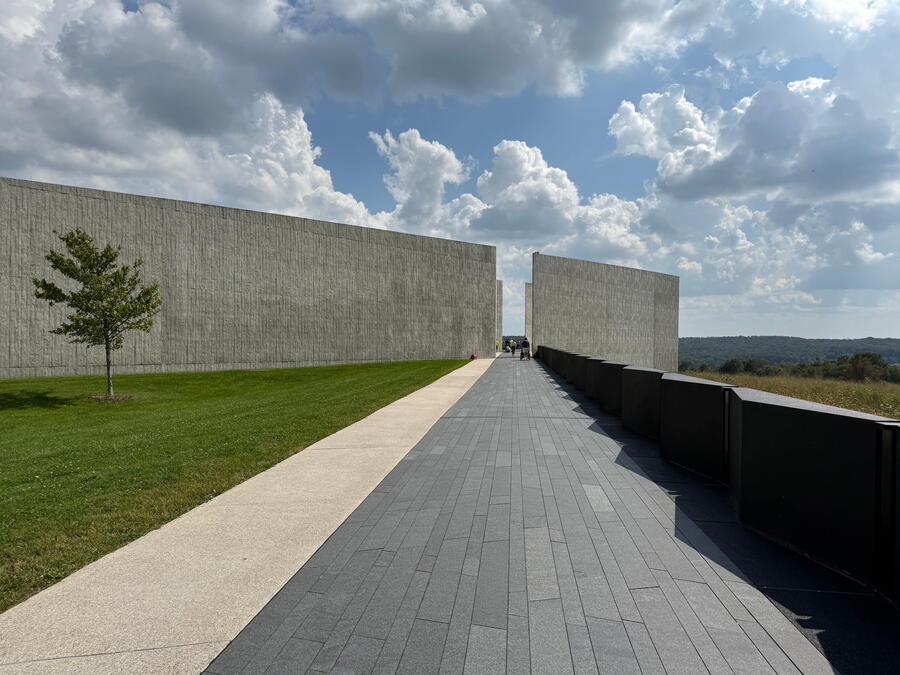
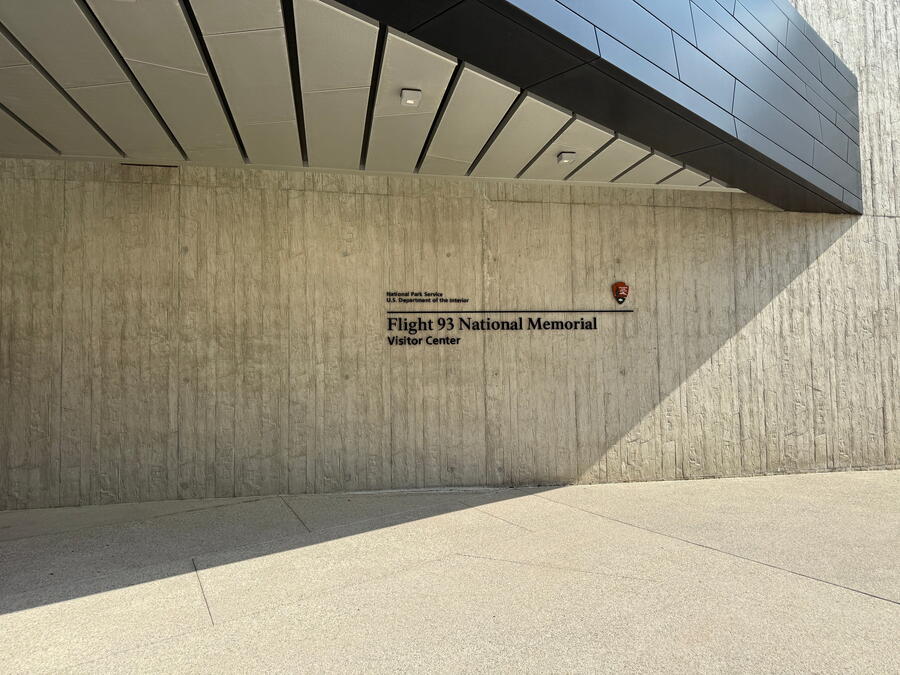
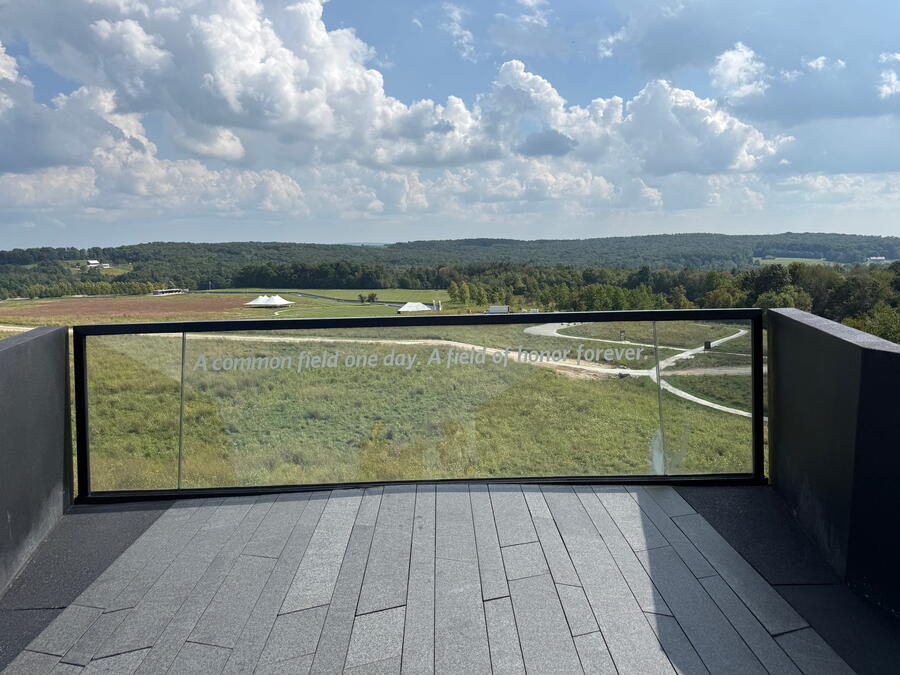
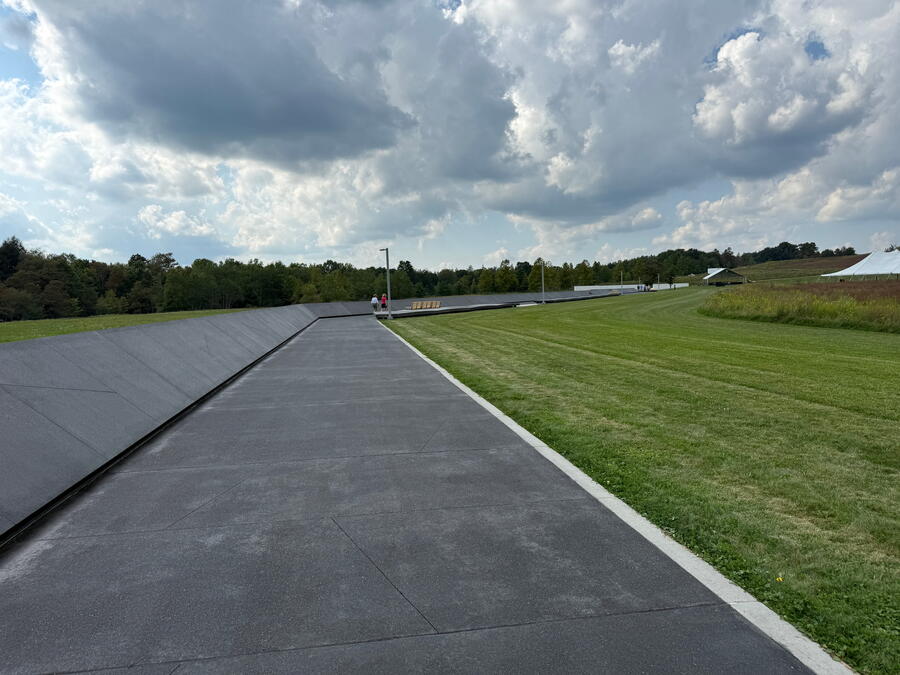
On the near-25th anniversary commemoration of the 9/11 terrorist attacks, I visited this tranquil place near Shanksville. There initially doesn’t seem to be much here, but that’s because it’s in a vast stretch of farmland and rolling hills. The complex spans 2,000 acres and has three main areas: the visitors’ center, the Memorial Plaza and Wall of Names, and the Tower of Voices. As I told Eric, this visit affected me more greatly than the 9/11 Memorial and Museum in New York, because the passengers and crew knew what was happening elsewhere and chose to act courageously to save others.
At the visitors’ center, a walkway leads to the monolithic stone building housing the museum. Embedded markers show when the other flights crashed into the World Trade Center and the Pentagon. It ends at an overlook where United 93 hit the ground, now marked by a boulder. The displays in the museum show a meticulous timeline of how that tragic day unfolded, how those onboard overtook the terrorists and the immediate and long-term aftermath. There were also recordings of calls to loved ones and to flight workers, which I couldn’t listen to, and detailed information about the 40 who gave their lives.
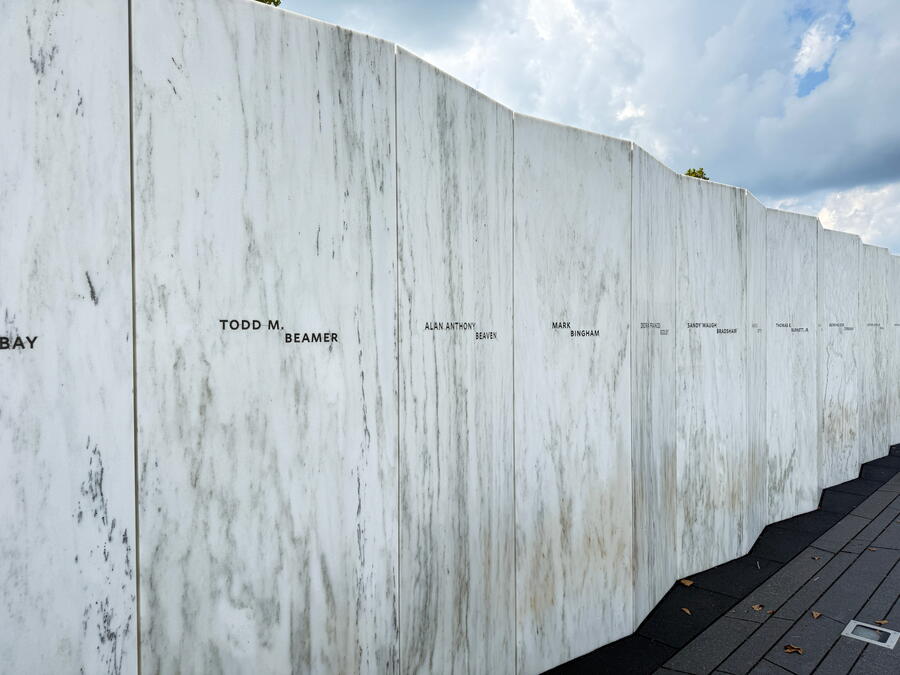
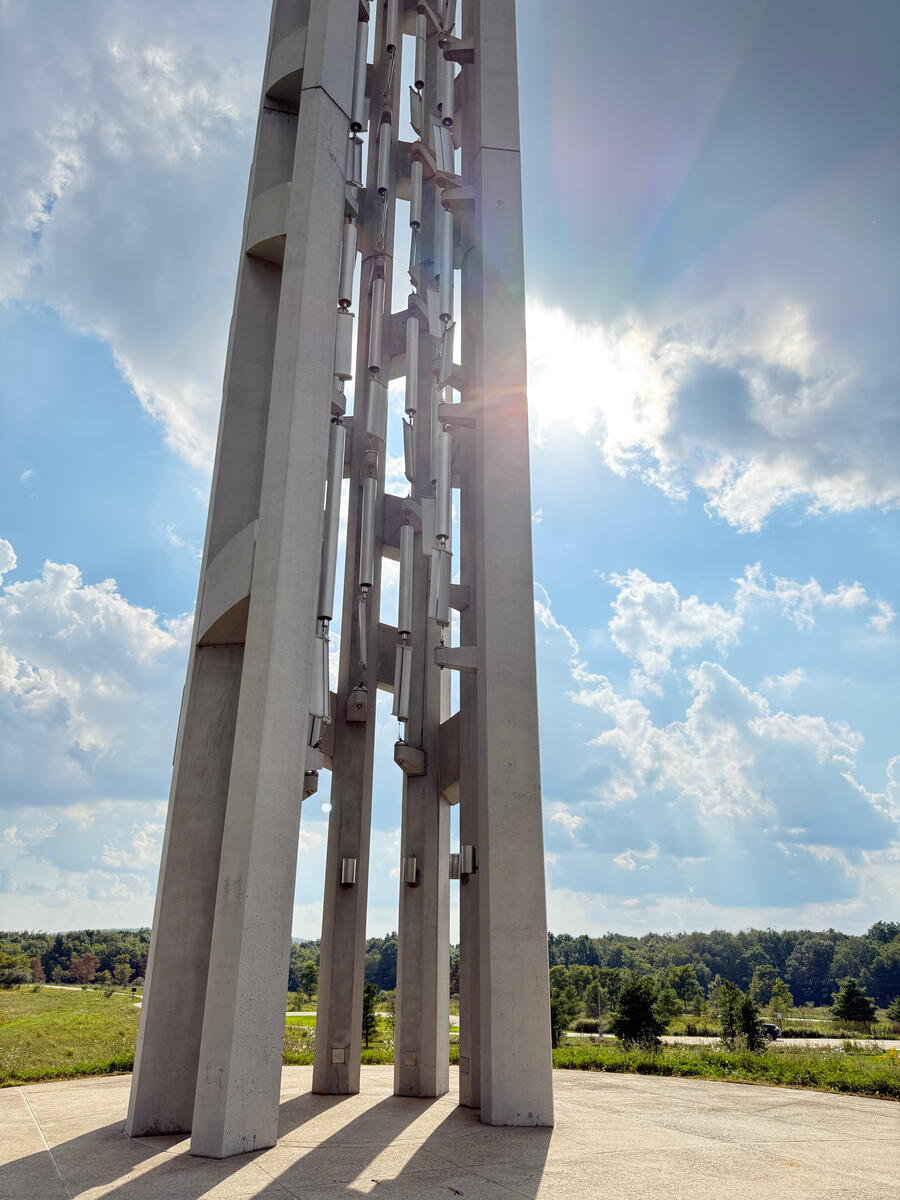
The Memorial Plaza and Wall of Names sit in the crash site and feature a long, dark marble partition that leads to white marble panels with the full names of the passengers and crew. I saw the boulder up close, with a few deer nearby, and took it as an otherworldly sign of their presence. Near the entrance to the complex is the Tower of Voices, a 93-foot structure with 40 chimes that sound when the wind is blowing.
Fallingwater/Ohiopyle
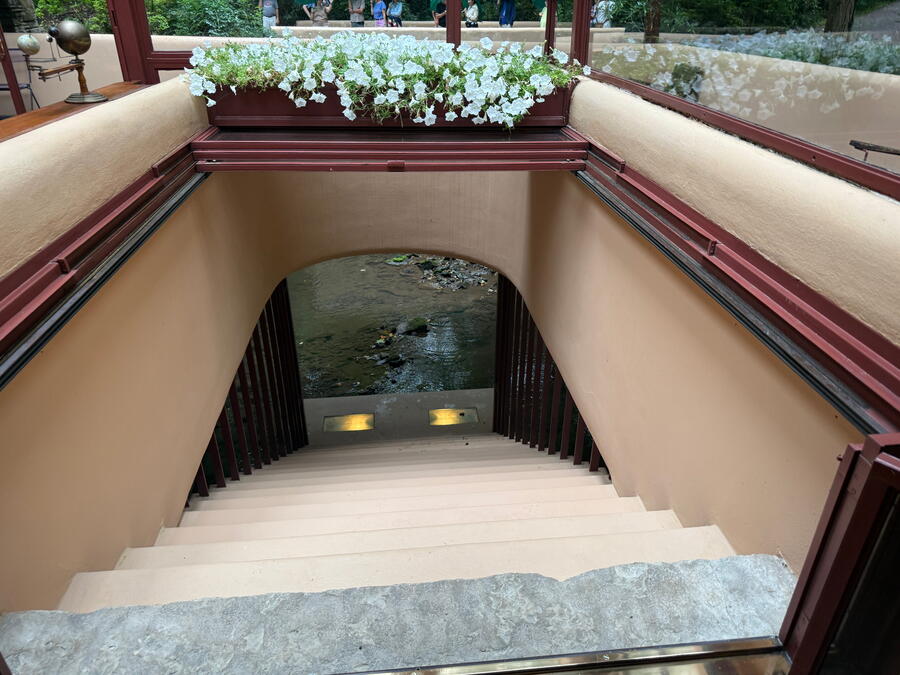
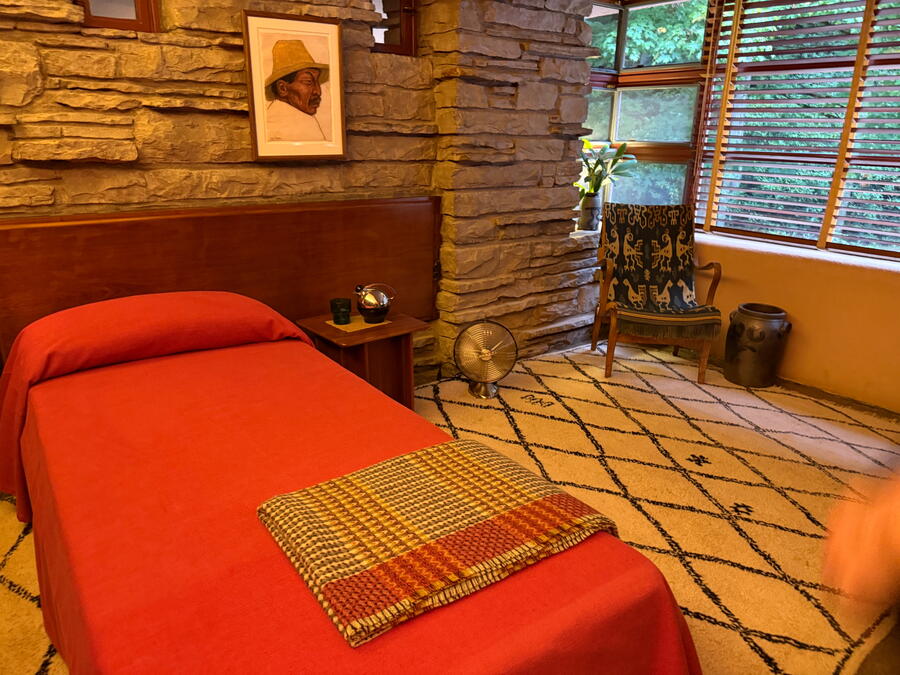
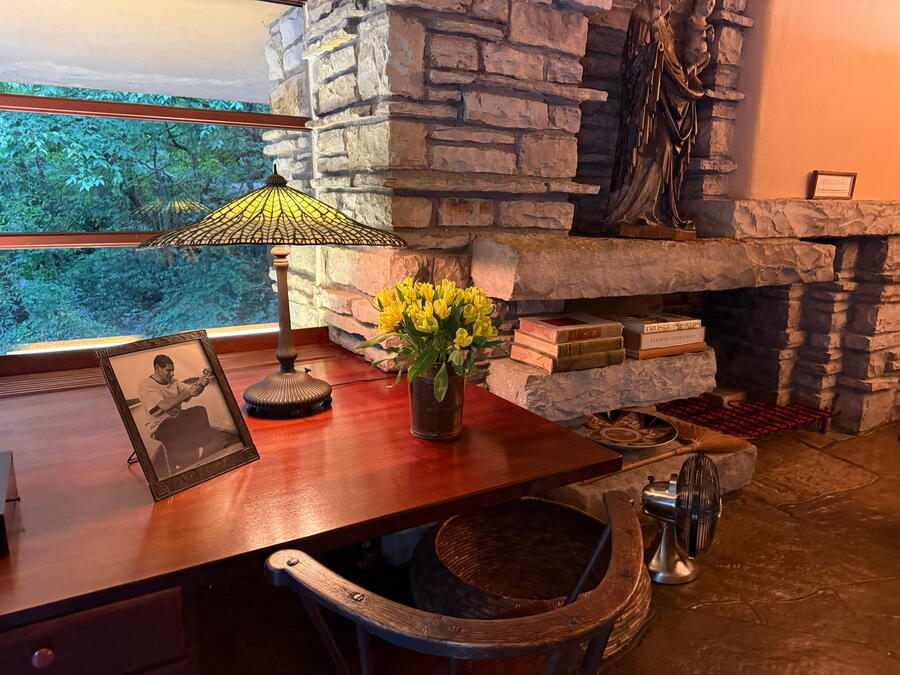
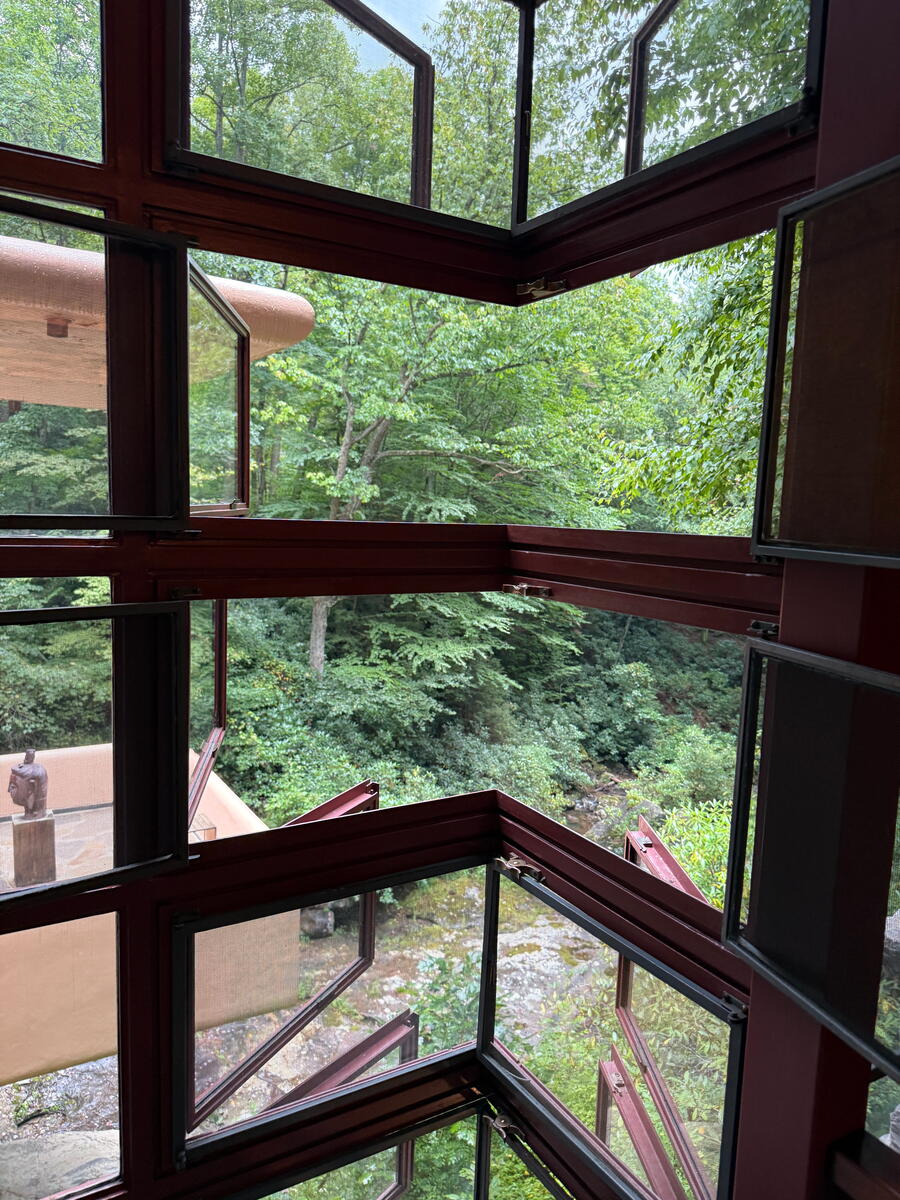
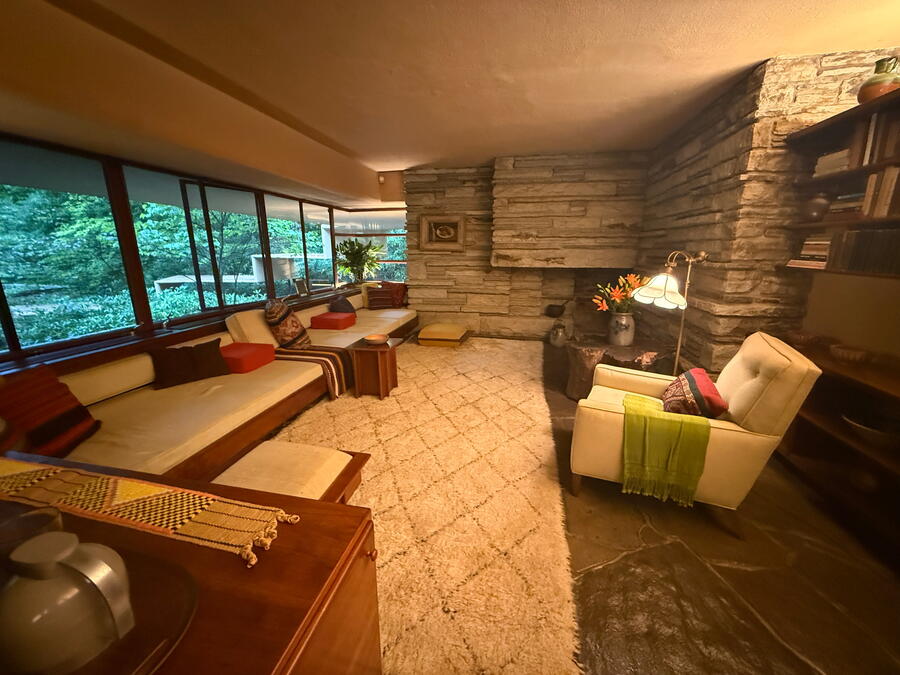
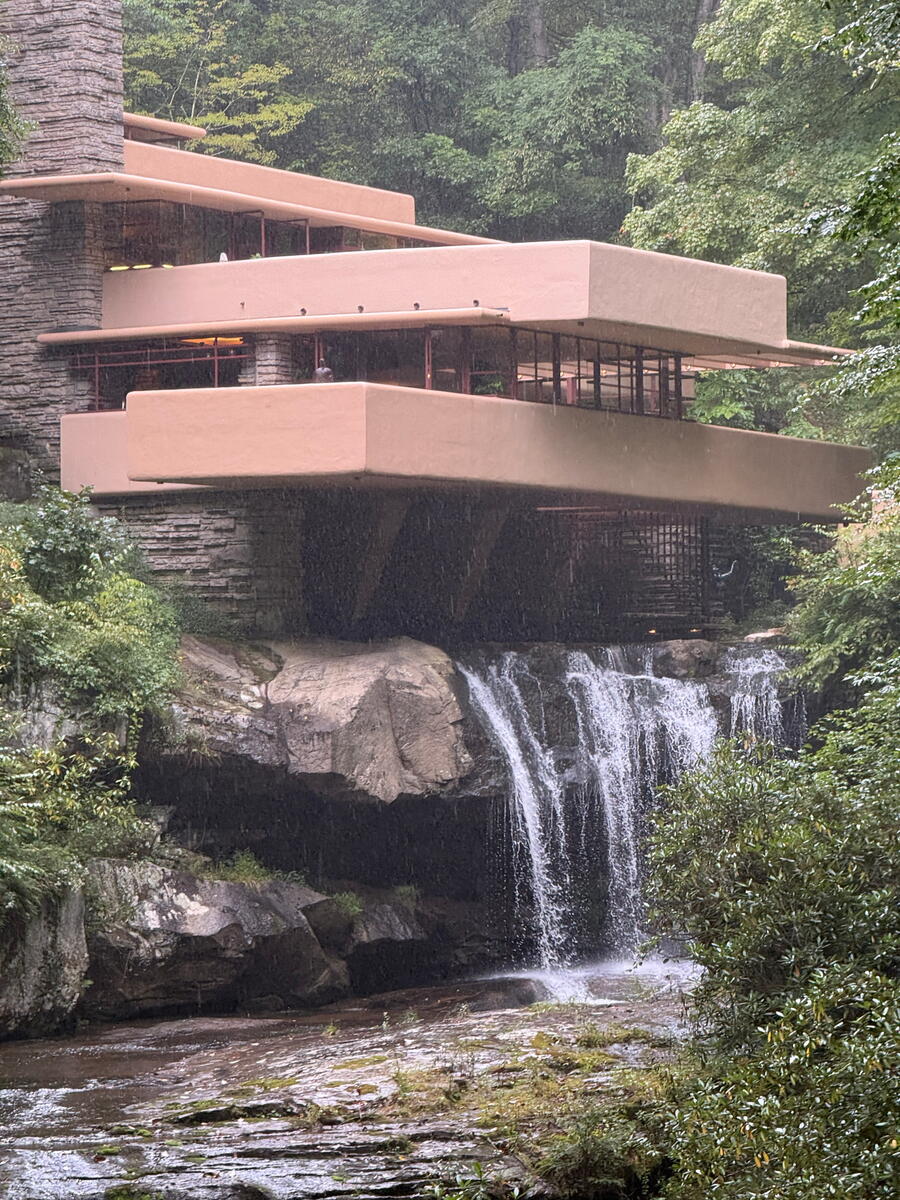
I learned about architect Frank Lloyd Wright's work when I lived in Arizona in the 1990s and came across the Taliesin West complex near Scottsdale. I never went there because I wasn’t interested in design or architecture, although I do appreciate certain styles. So, I visited Fallingwater, one of his signature accomplishments. I went in as a novice, with the idea of understanding how others appreciate this legendary figure.
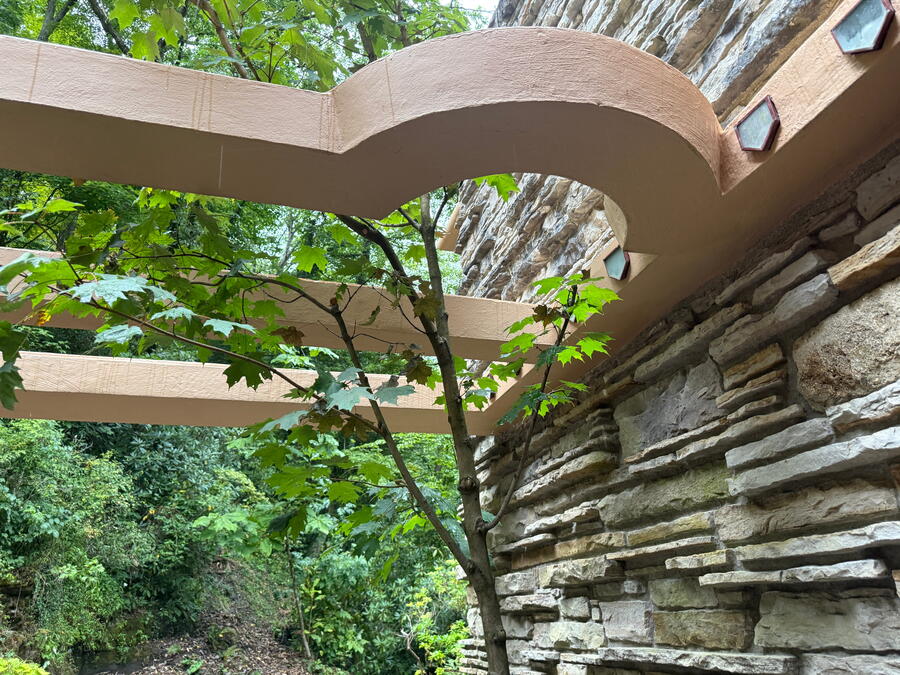
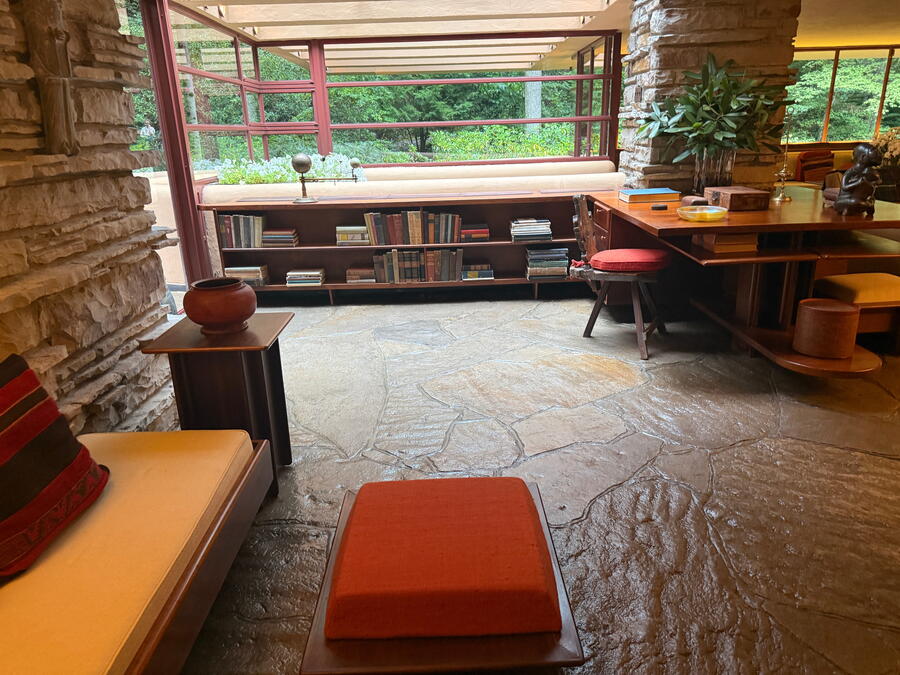
The home belonged to the Kauffman family, who owned department stores in Pittsburgh and wanted to have a bucolic rural escape from the then-polluted city. They owned a group of cabins where they and their Jewish friends could stay (many clubs and resorts would not allow Jews at that time). Eventually, they hired Wright to design a home in 1935 that would take advantage of the granite walls, the abundant forest and the Bear Run, the small creek that featured a ten-foot waterfall and gave the property its name. The four-story structure has expansive living spaces with mostly Southwestern décor and original boulders built into fireplaces and common areas. Wright also made transition areas like hallways deliberately small so people would not linger.
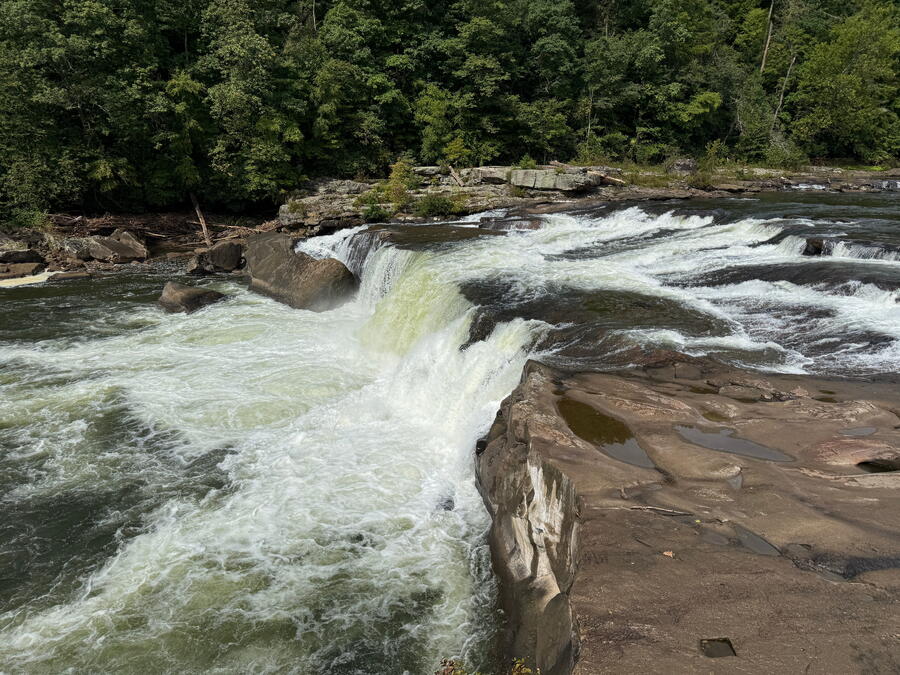
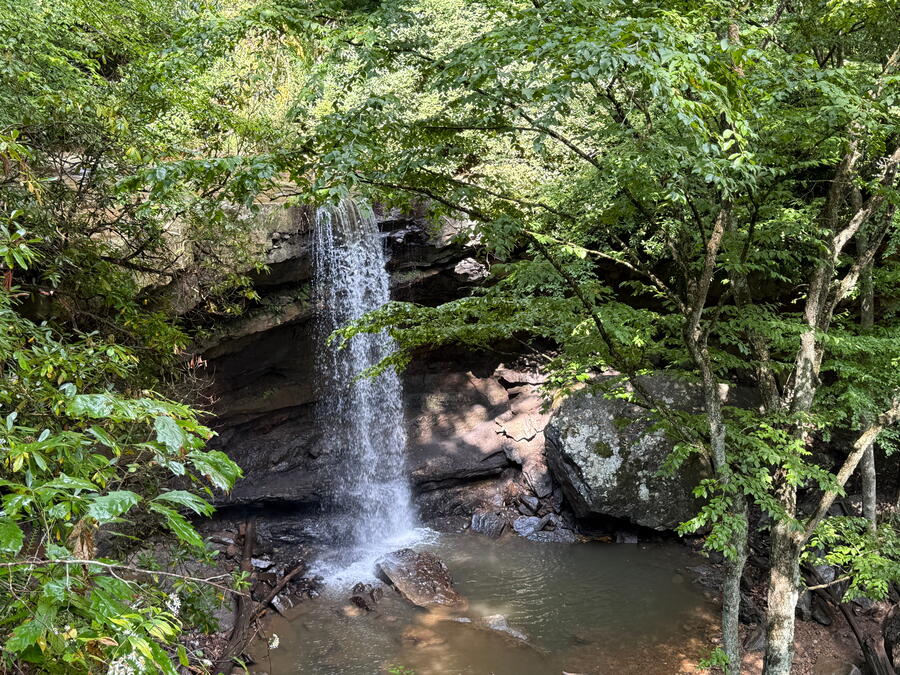
A few miles from Fallingwater is Ohiopyle, a hamlet that’s one of the most popular places for kayaking and whitewater rafting. A state park of the same name encompasses the town and the river. In the town’s center, Eric and I stopped at a park with a multi-tiered observation deck, where I saw a 15- to 20-foot waterfall that only expert kayakers could probably navigate. Further up is Cucumber Falls, an even taller waterfall that measured about 30 feet in height, although there wasn’t much water coming from it, as it was the end of the summer.
This was just a small sampling of what you can see in the Laurel Highlands. I certainly plan to return to see more.
(Thank you to Eric Knopsnyder at Go Laurel Highlands and his team for putting this trip together and allowing me to enjoy this area.